


Road Bike Front Lights
Engineered for performance. RAVEMEN road lights ensure maximum visibility with aerodynamic design and anti-glare optics for group rides.
Filters
18 products

FR1100
With a powerful 1100-lumen output for night riding and multiple daytime flash modes, the FR1100 keeps you visible i...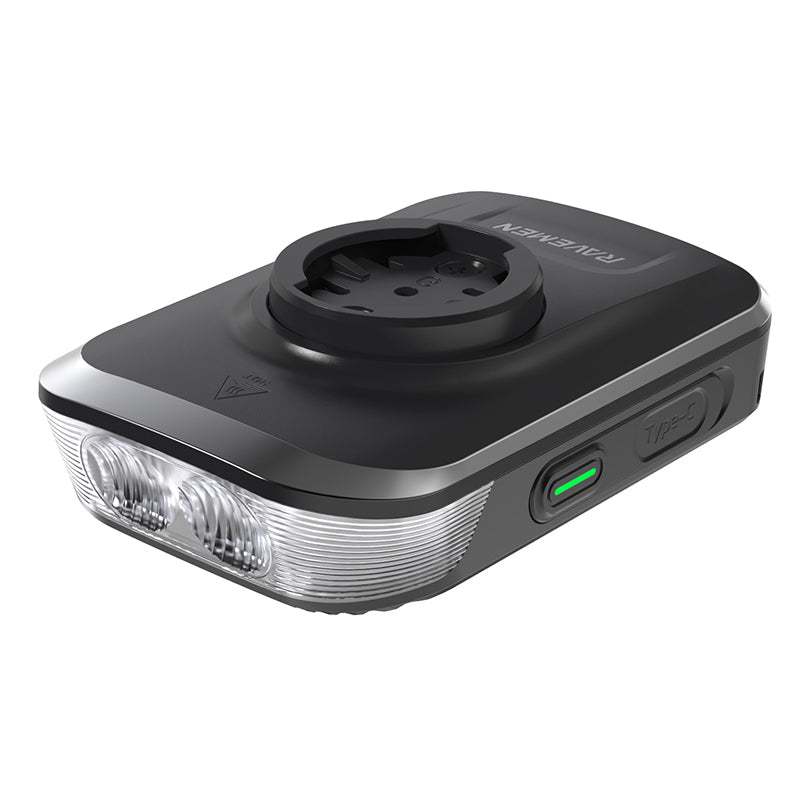
FR1500 Bike Front Light
With a powerful 1500-lumen output for night riding and multiple daytime flash modes, the FR1500 keeps you visible i...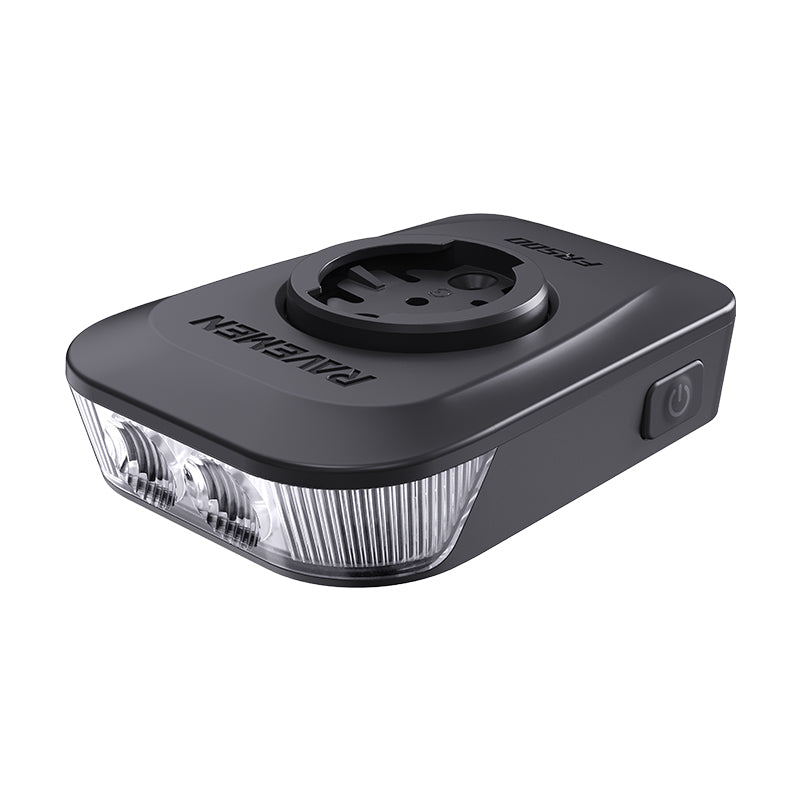
FR500
With 500 lumens of bright night illumination and multiple daytime flash modes, the FR500 keeps you visible at all t...
UR1700
With a powerful 1700-lumen output and cut-off line beam design, the UR1700 delivers clear visibility without dazzli...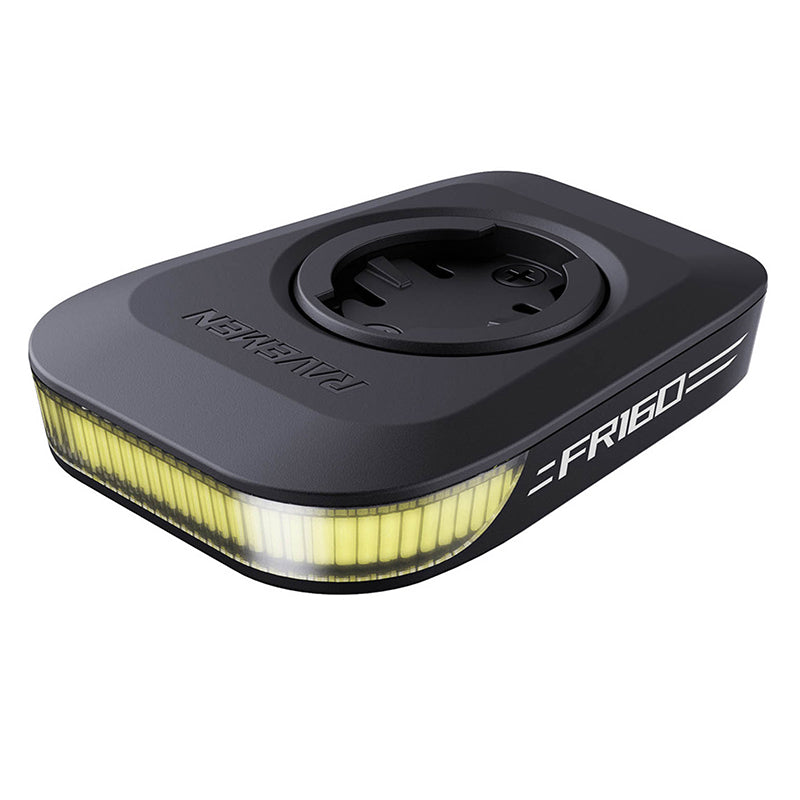
FR160
FR160 is a light-weight and easy-to-use daytime visible bike headlight. With the high efficiency COB LEDs (max 160 ...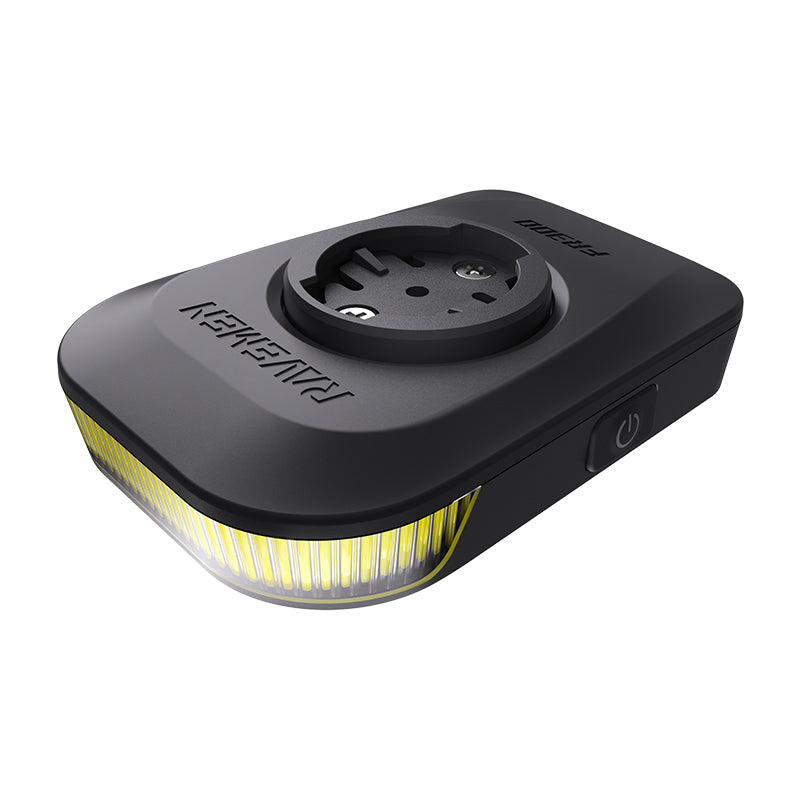
FR300
FR300 is a highly visible daytime running headlight to help you ride safely. It gives out 300 lumens in the warning...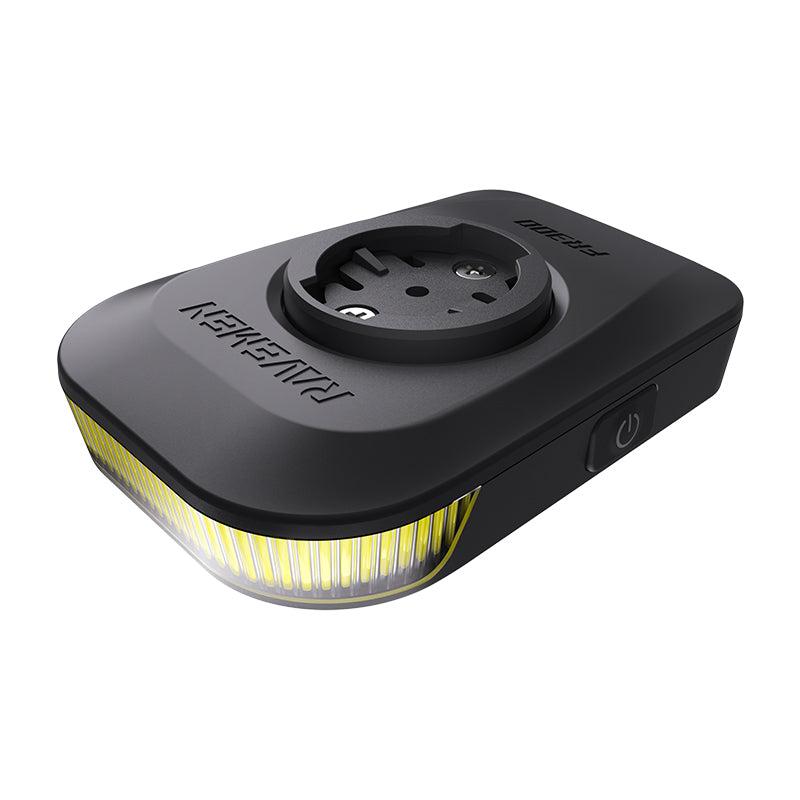
FR300 ANT+
Compared to the standard FR300, the FR300 ANT+ version connects with Garmin bike computers via ANT+ technology, all...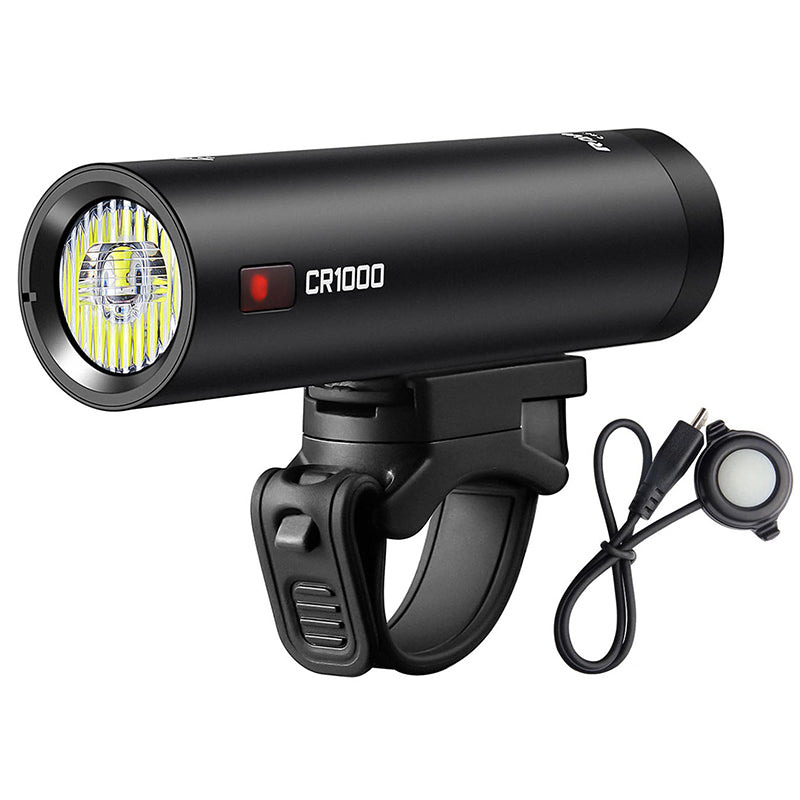
CR1000
With a 4000mAh large battery and max 1000 lumens, CR1000 is designed for road bikers that ride at night at fast spe...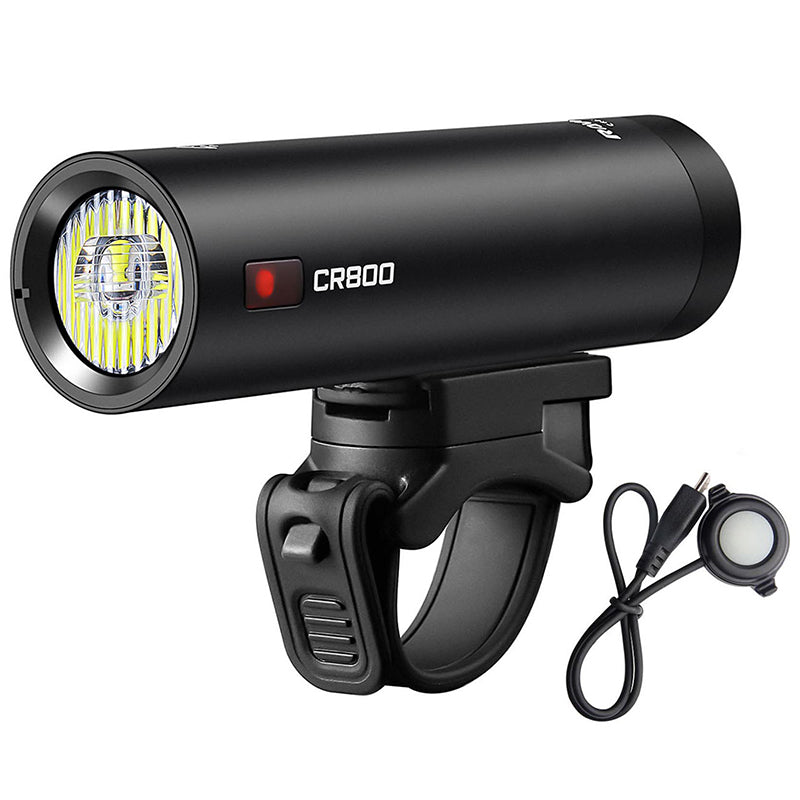
CR800
With max 800 lumens, CR800 is designed for road bikers that ride at night at fast speed. Featuring RAVEMEN new anti...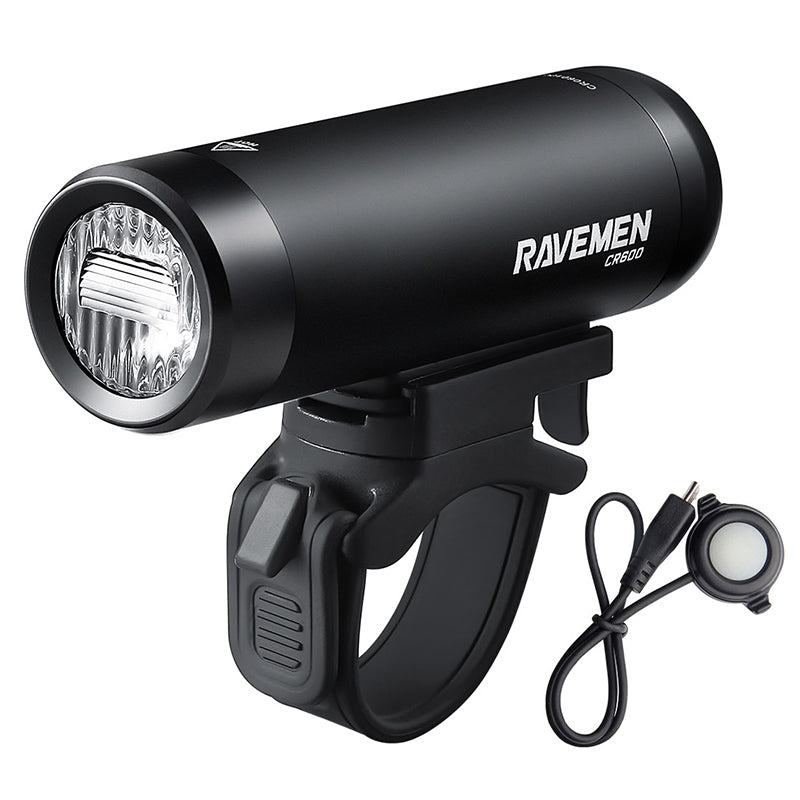
CR600
CR600 is a compact headlight for urban riding and daily commuting. With RAVEMEN new anti-glare optical lens, it cre...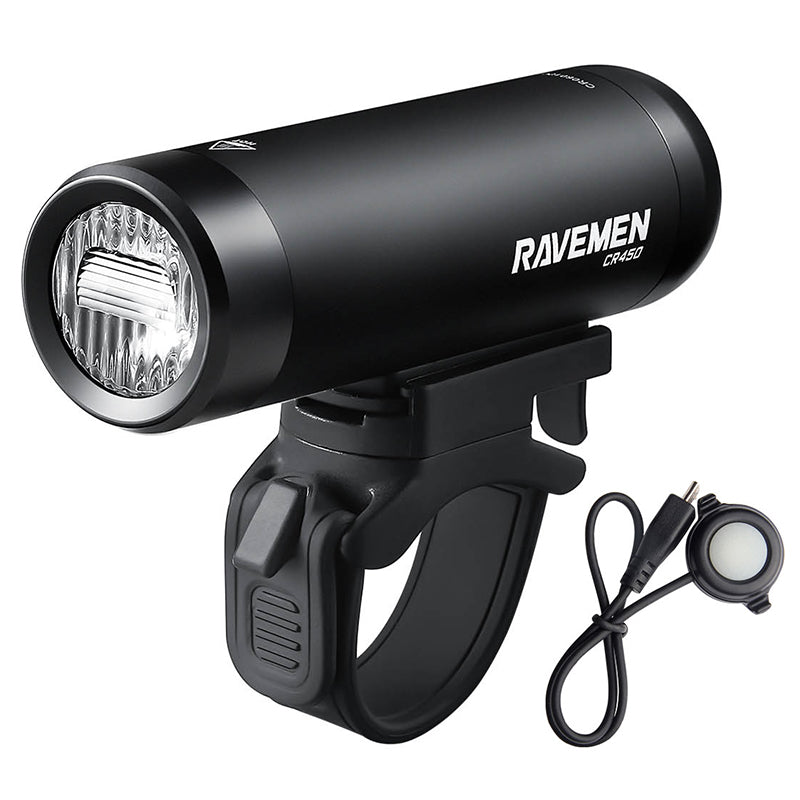
CR450
CR450 is a compact headlight for urban riding and daily commuting. With RAVEMEN new anti-glare optical lens, it cre...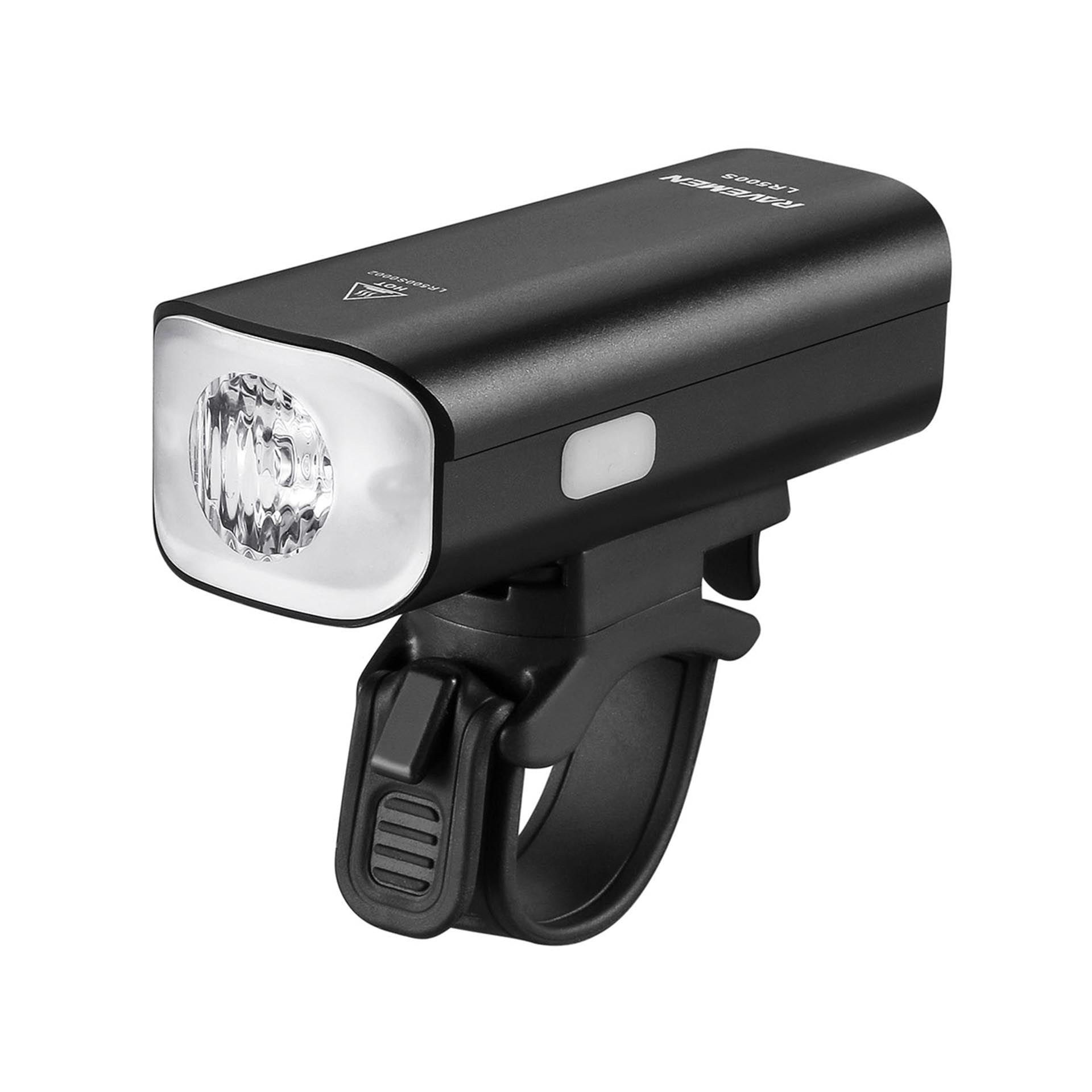
LR500
Featuring the new curved lens optical design, LR500 gives out even-distributed flood light and provides side visibi...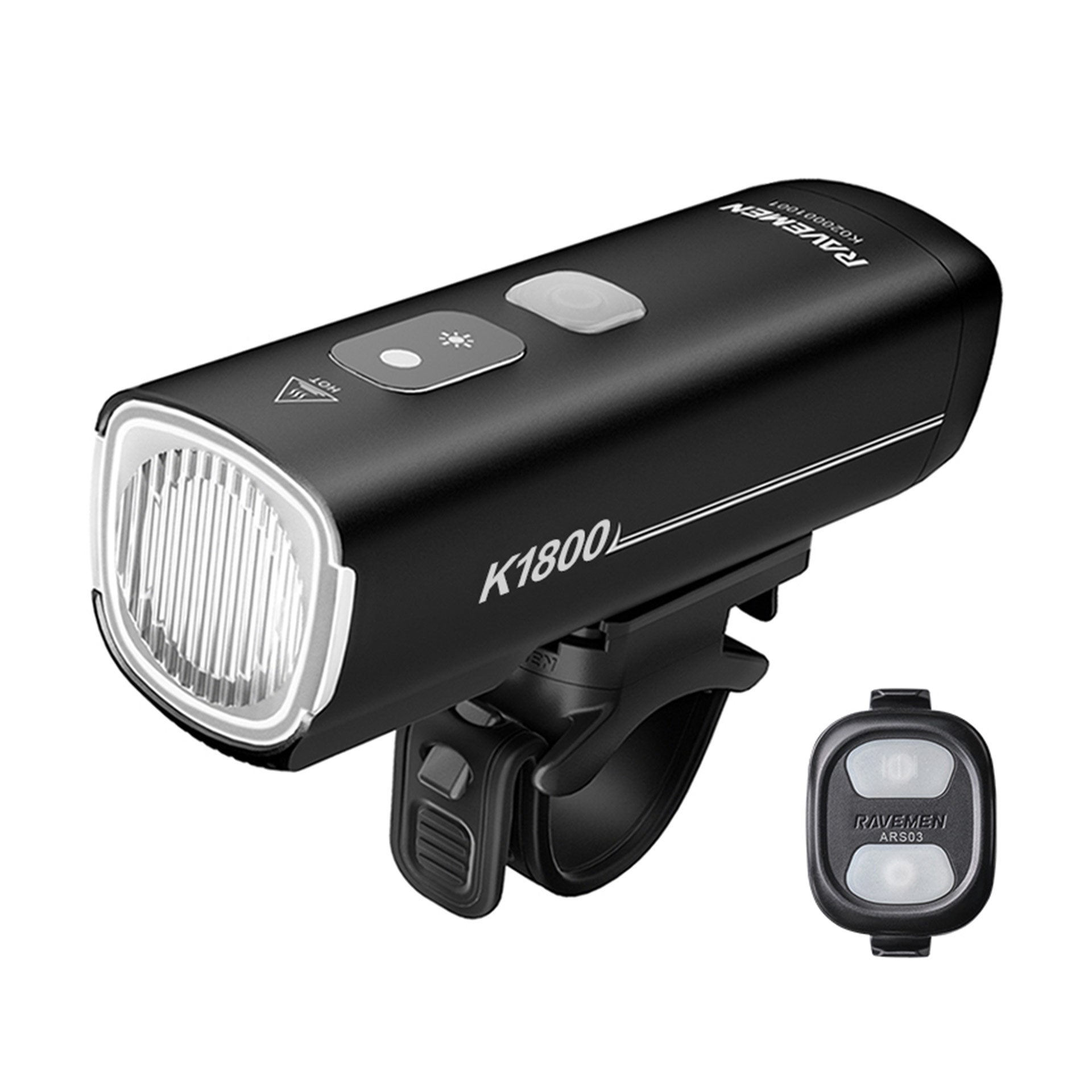
K1800
Cyclists, meet your perfect ride partner. Embrace the hands-free convenience of its intelligent mode and revel in ...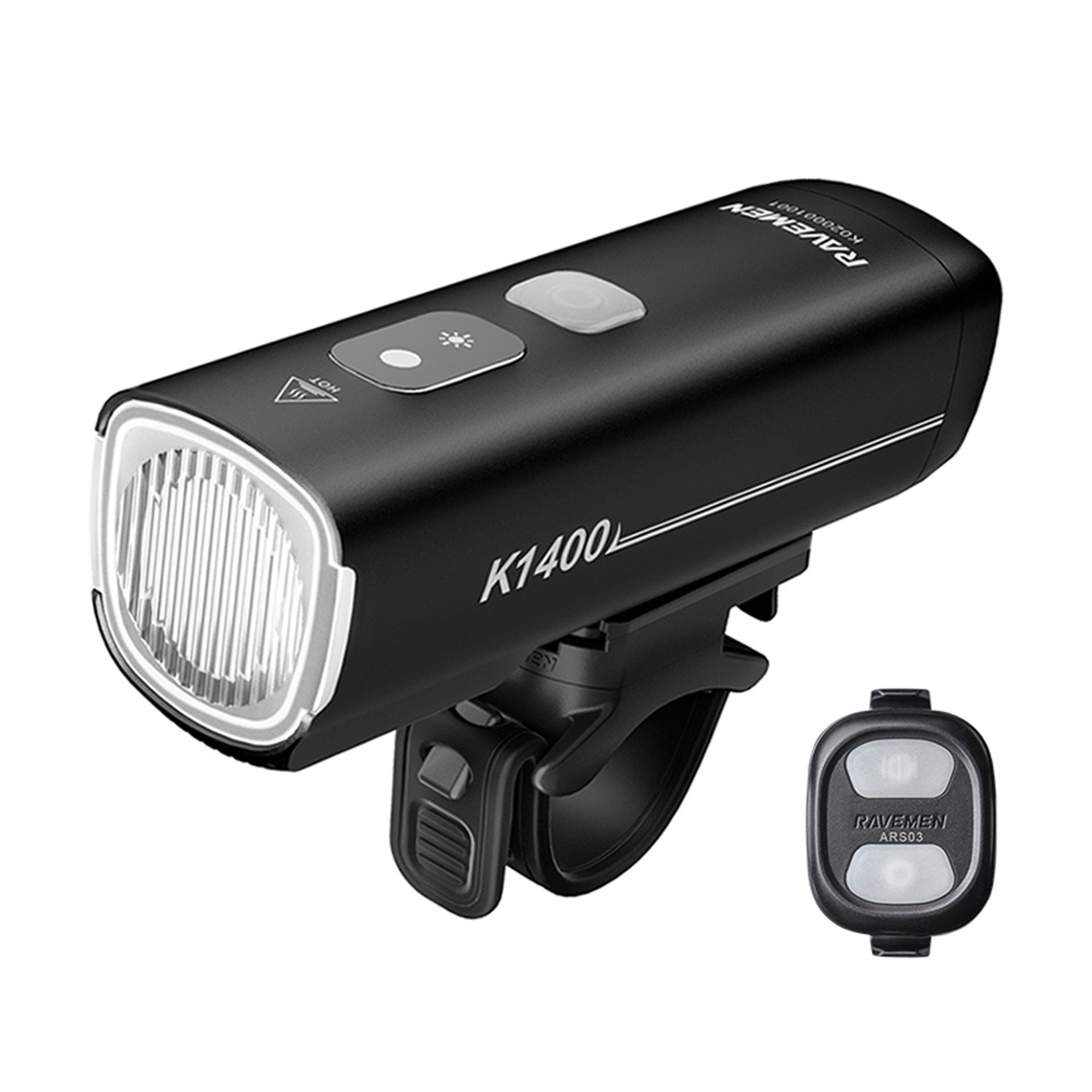
K1400
Cyclists, meet your perfect ride partner. Embrace the hands-free convenience of its intelligent mode and revel in ...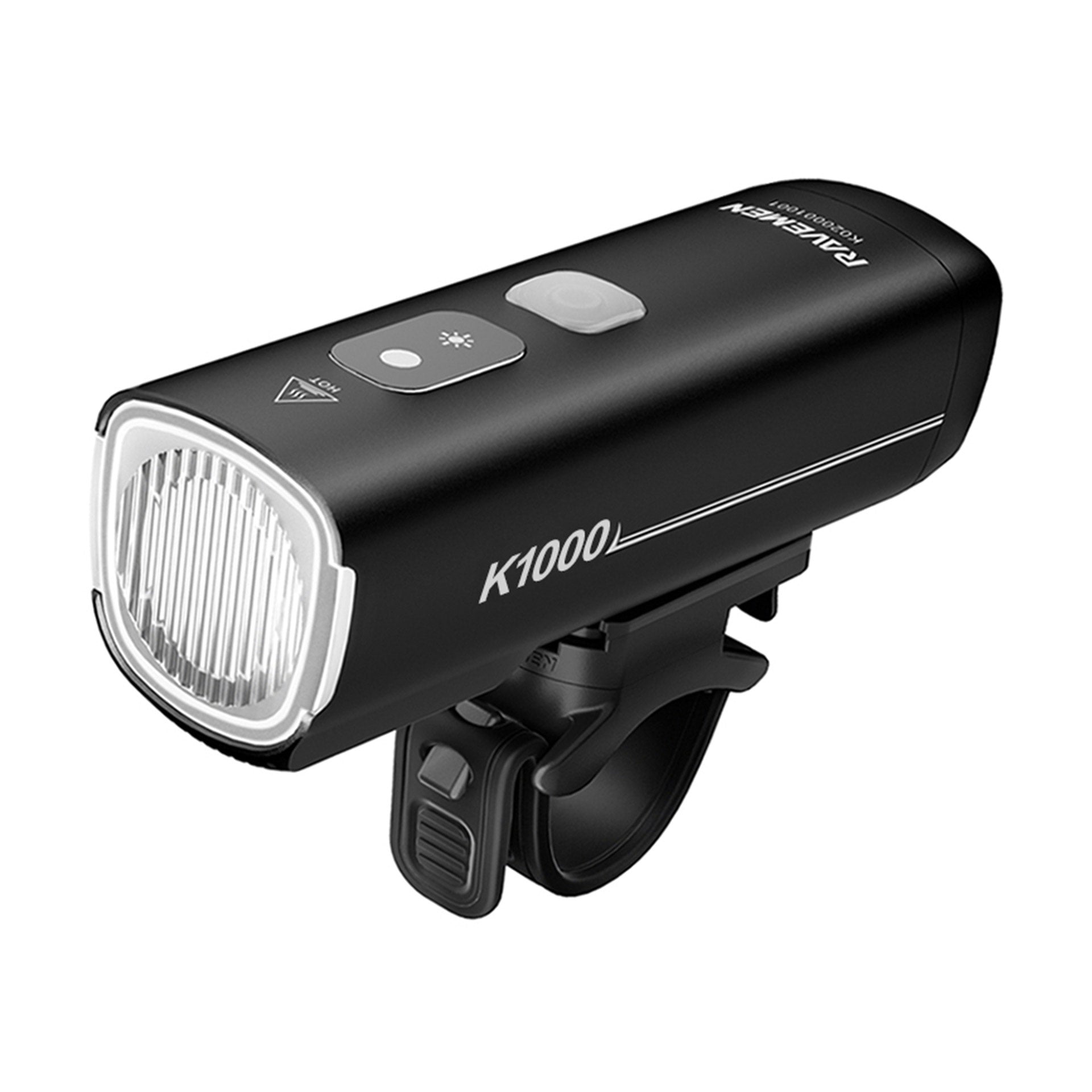
K1000
Cyclists, meet your perfect ride partner. Embrace the hands-free convenience of its intelligent mode and revel in ...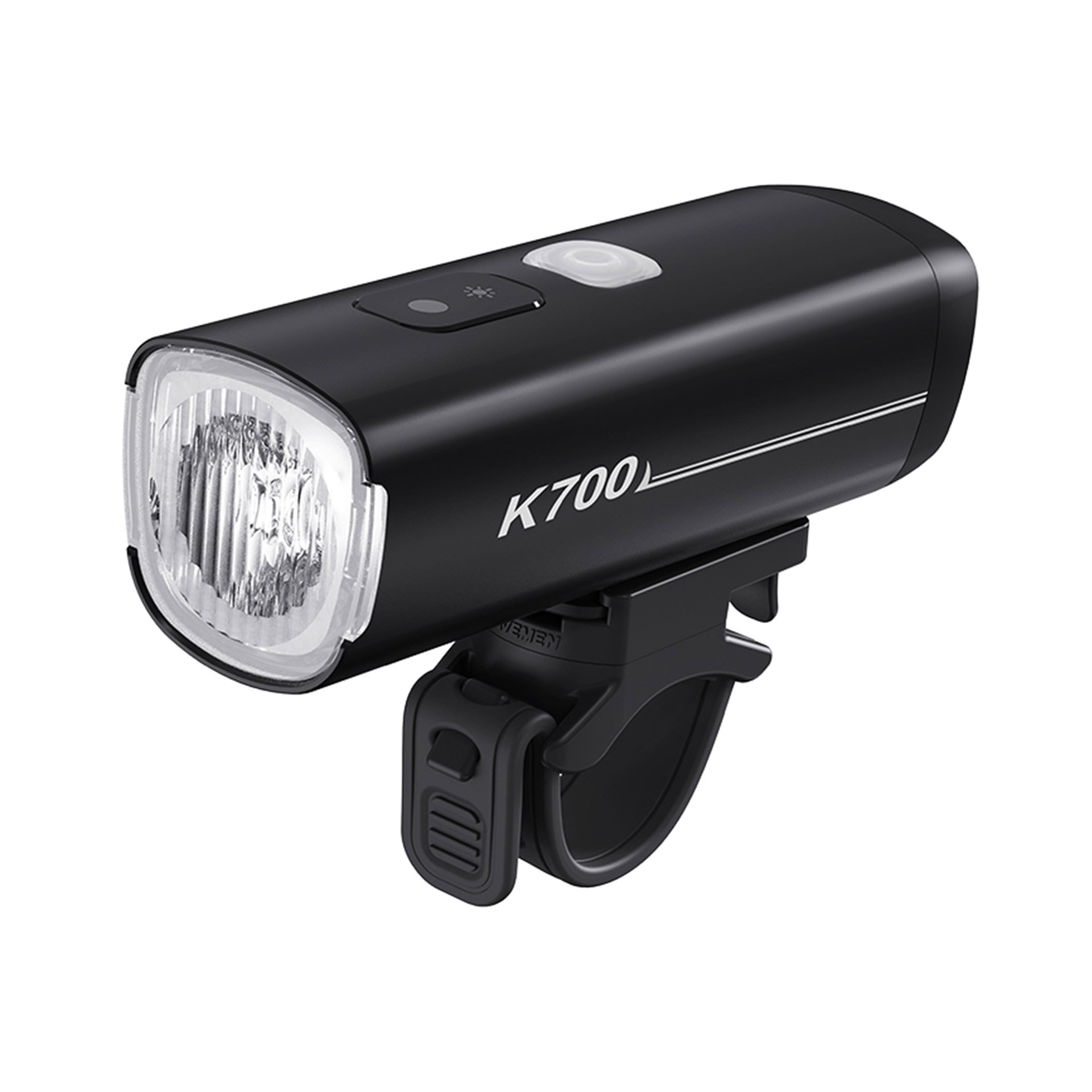
K700
Experience the freedom and safety of the K700, a light-sensitive headlight that transforms your ride. Seamlessly a...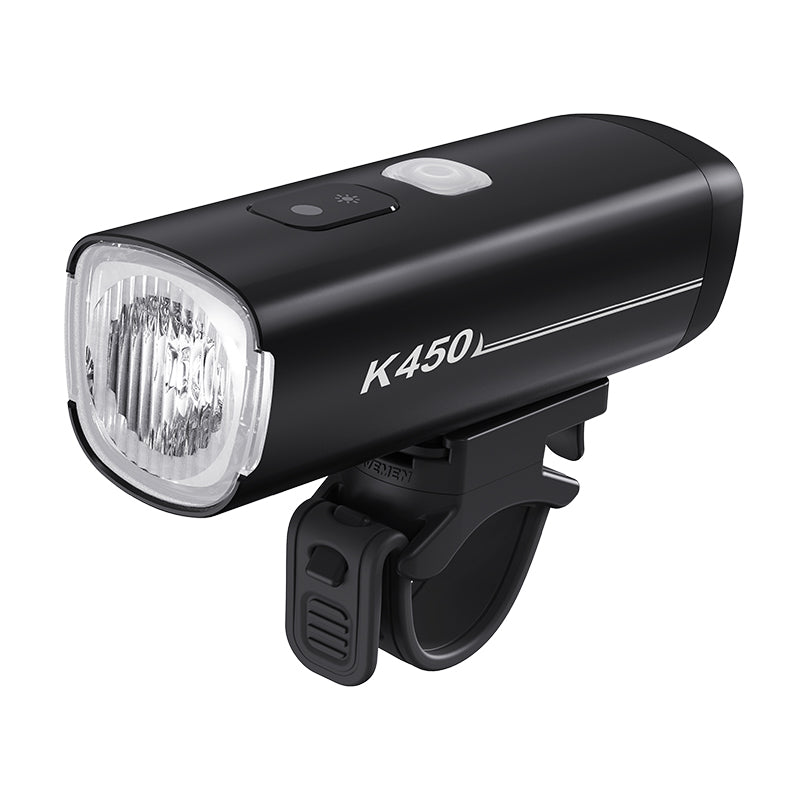
K450
Experience the freedom and safety of the K450, a light-sensitive headlight that transforms your ride. Seamlessly a...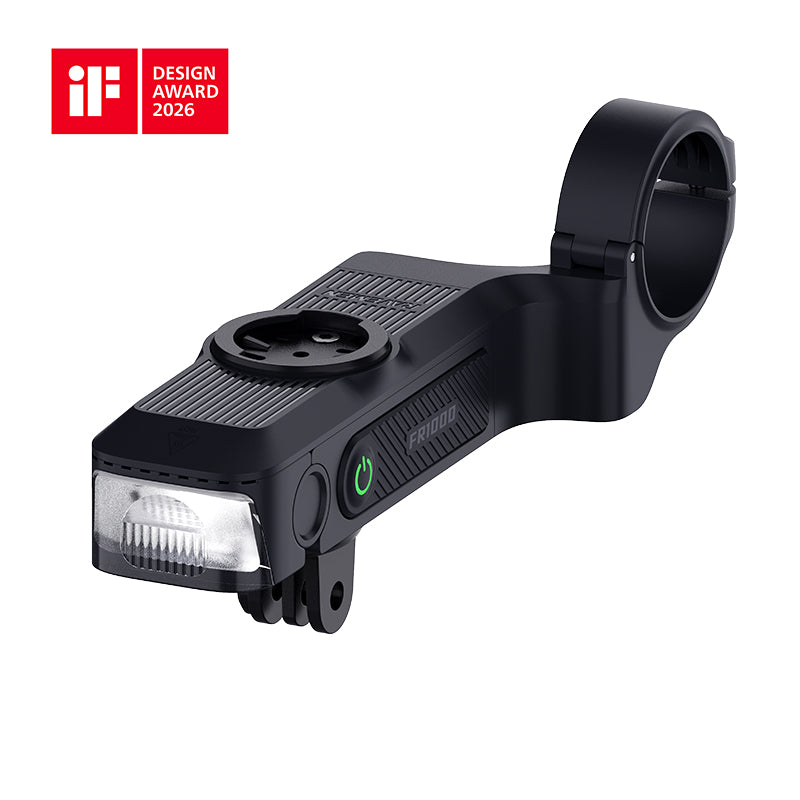
FR1000
With 1000 lumens of powerful night illumination and enhanced daytime visibility, the FR1000 keeps you safe around t...How to Choose a Road Bike Front Light
The best road bike lights depend on your riding style and conditions. For daytime training or urban commuting, a compact 300–600 lumen front light with an anti-glare beam is usually sufficient. Night riding on dark roads may require 1000–1800 lumens, longer runtime, and a remote control for safer high-speed visibility. Riders focused on racing or lightweight setups may also prefer compact road cycling lights under 120g.
Key Features of Road Bike Front Lights
Choosing a road bike front light is about more than lumen output. Beam pattern, road visibility, and glare control are equally important. A quality light should combine wide flood lighting for close-range awareness with focused distance illumination for faster riding. Some modern optical systems use a T-shaped anti-glare beam that delivers both flood and spotlight coverage for balanced nighttime visibility.
FAQ
What features matter most in road bike lights?
What features matter most in road bike lights?
The most important features in road bike lights are beam pattern, glare control, battery reliability, and weather protection. A well-designed road bike light should illuminate the road clearly while reducing glare for oncoming traffic. Long battery runtime is important for commuting, training, and endurance rides, while stable mounting and IPX6 waterproof protection help ensure dependable performance in wet or rough road conditions.
How long do road bike light batteries last?
How long do road bike light batteries last?
Battery life varies by brightness mode and model. For example, the CR1000 runs for about 2 hours at 1000 lumens, 3 hours at 600 lumens, 6 hours at 300 lumens, and up to 15 hours in 150-lumen eco mode. Flashing modes can extend runtime further, with pulse flashing lasting up to 33 hours.For longer road rides, riders should choose a road bike light with multiple brightness modes, clear battery indicators, or external power support, depending on their riding distance and lighting needs.
How bright should road bike lights be for unlit roads or early morning rides?
How bright should road bike lights be for unlit roads or early morning rides?
For completely unlit roads or early-morning training before sunrise, 800–1,200 lumens is a practical starting point, providing broad flood illumination for confident cornering and obstacle detection. At 1,200–1,600 lumens, you gain extra distance and side visibility for faster descents and rural lanes. For maximum security on very dark roads, over 1,600 lumens illuminate the road and the surrounding environment to make you feel truly safe and seen.
Are smart road bike lights worth it?
Are smart road bike lights worth it?
Yes, smart road bike lights can be worth it for riders who want automatic brightness adjustment and easier control during changing light conditions. Some models, such as RAVEMEN K-series lights, include intelligent riding modes that adjust brightness based on riding habits or ambient light, helping reduce manual switching during commutes or training rides.
Can road bike lights improve visibility in low light or poor weather?
Can road bike lights improve visibility in low light or poor weather?
Yes. Quality road bike lights are essential for dawn, dusk, overcast days, and rain. An anti-glare beam can help maintain clearer road visibility while reducing glare for oncoming traffic. Flashing or pulse modes can also improve noticeability during dawn, dusk, overcast days, or rainy conditions.
Should I choose lightweight road bike lights for racing?
Should I choose lightweight road bike lights for racing?
For racing and performance-focused road riding, lightweight road bike lights are an excellent choice. Models under 100g help maintain a clean, aerodynamic cockpit while adding minimal weight to the bike. Many compact front lights can mount beneath a bike computer for a cleaner, more aerodynamic cockpit setup.