

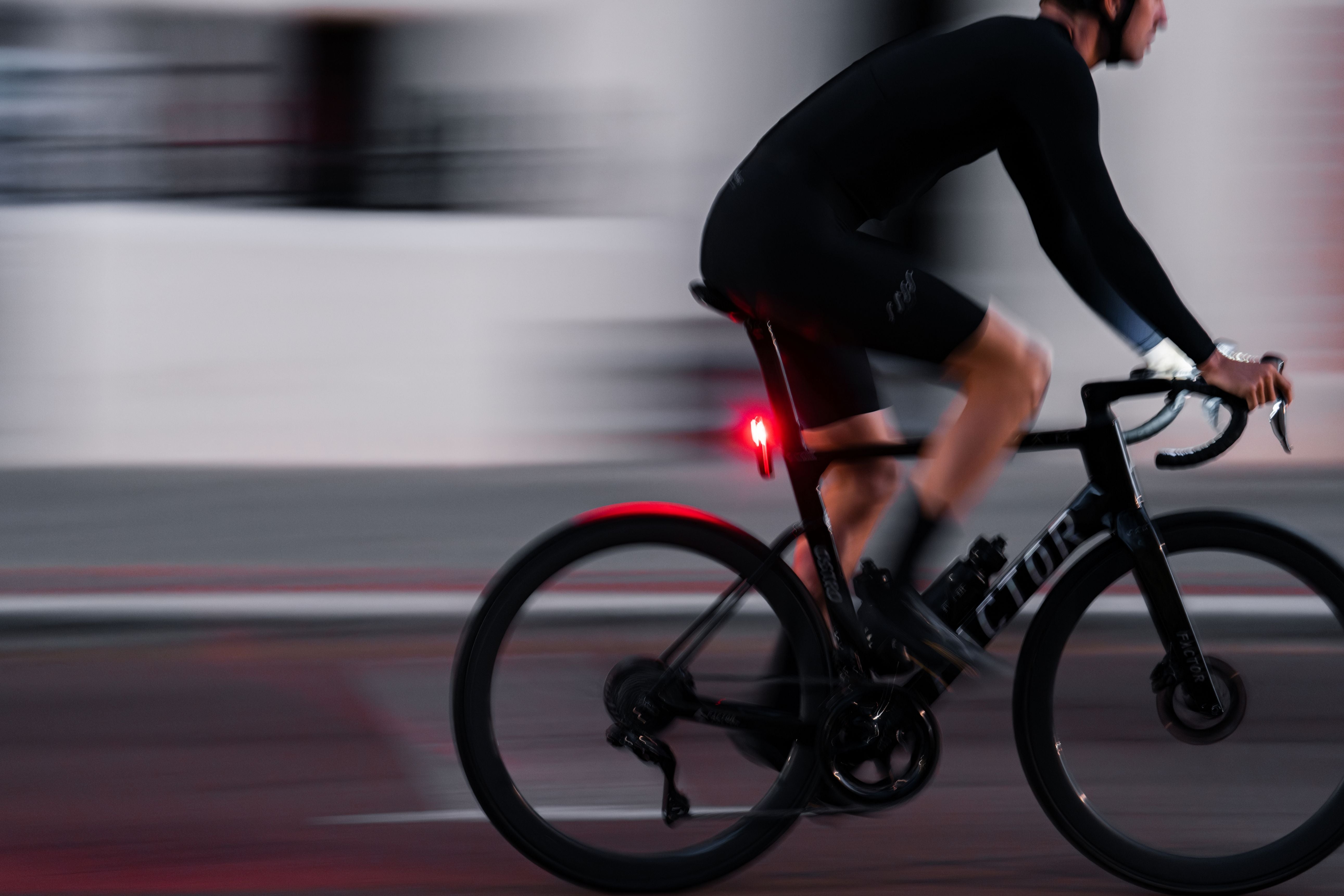
BIKE TAIL LIGHTS
Engineered for urban commutes and road cycling, the RAVEMEN taillight series combines cutting-edge safety features with sleek, minimalist design. With wide-angle visibility, brake detection, auto on/off functionality, and long battery life, these tail lights ensure you're visible from every direction, day or night. Whether you're navigating traffic or cruising after sunset, ride with confidence knowing you're protected by intelligent rear illumination.
Filters
16 products
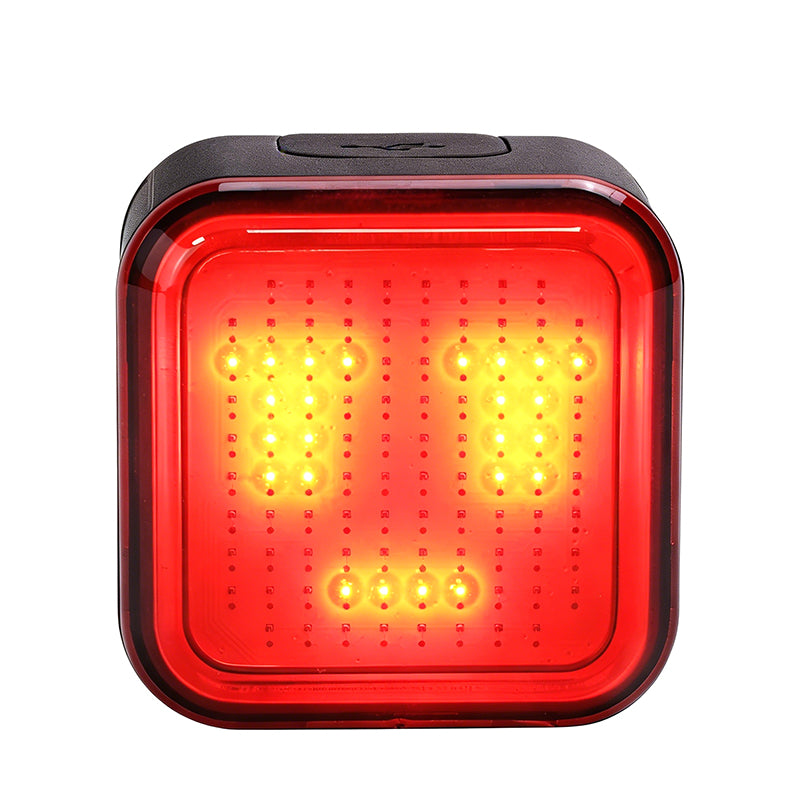
NT401
Make your ride expressive with the NT401 intelligent tail light. Create custom light patterns in the RAVEMEN app—dr...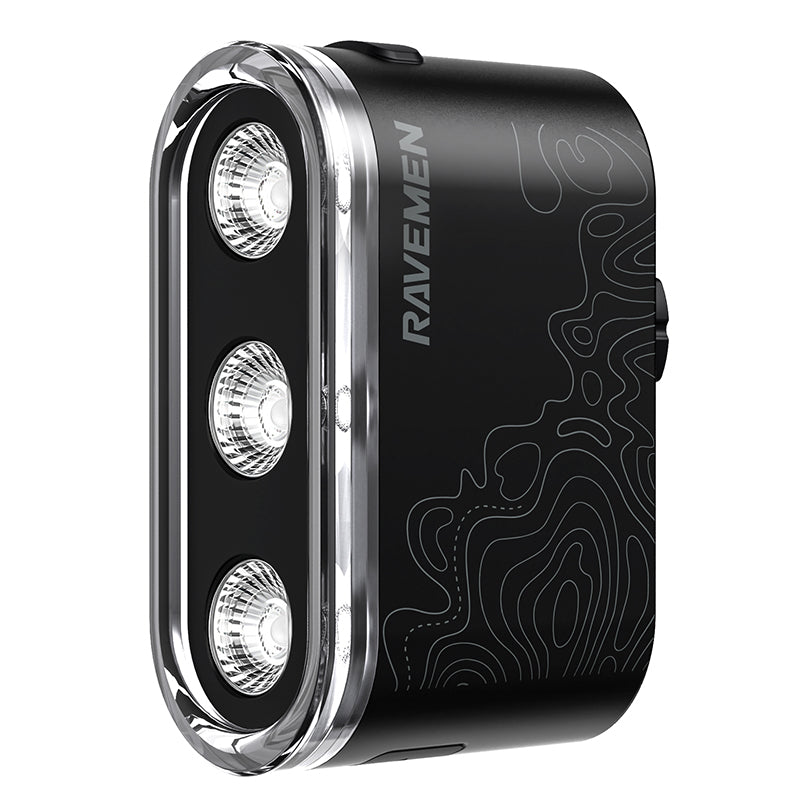
TR600
With max 600 LED lumens and an improved eye-catching warning flashing mode, the TR600 maximizes daytime visibility ...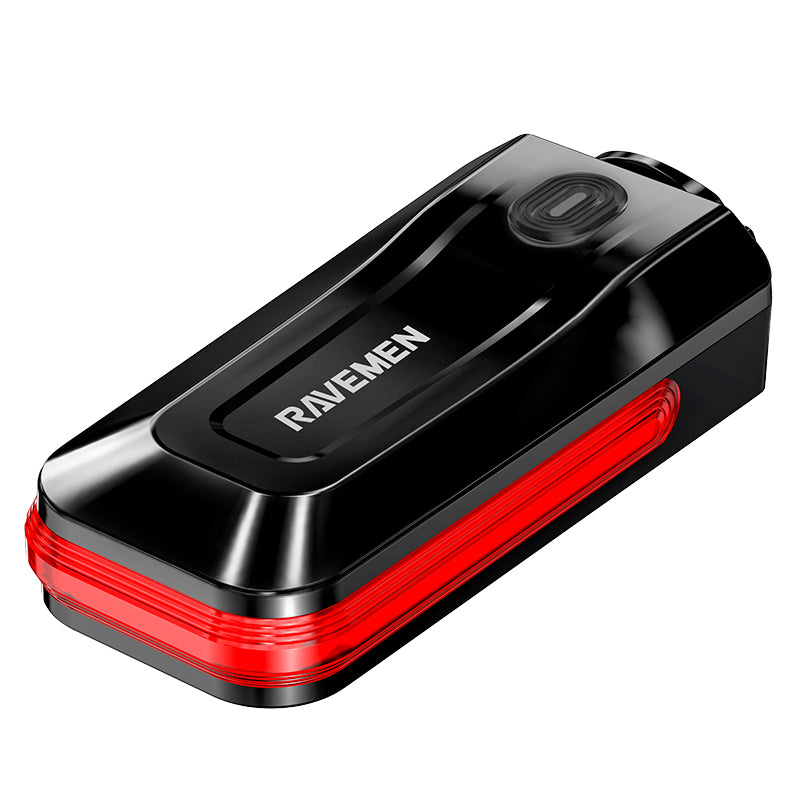
CL200 Bike Tail Light
CL200:Accessories consistent with CL01 Pro — compatible with ABM25 + ABM14Fits saddle rails as well as round seatpo...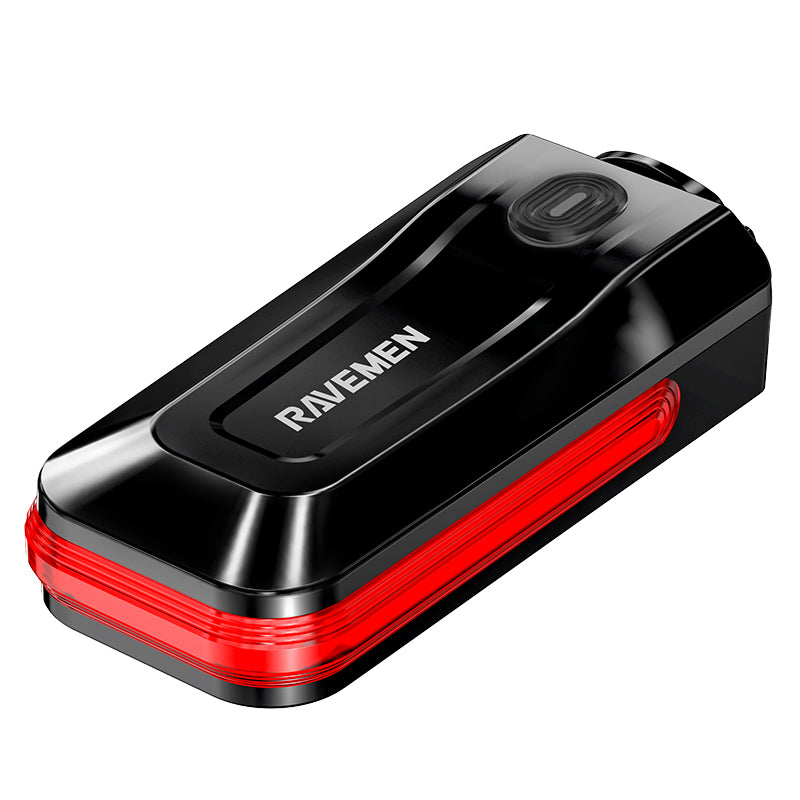
CL100 Bike Tail Light
Accessories consistent with CL01 Pro — compatible with ABM25 + ABM14Fits saddle rails as well as round seatposts, a...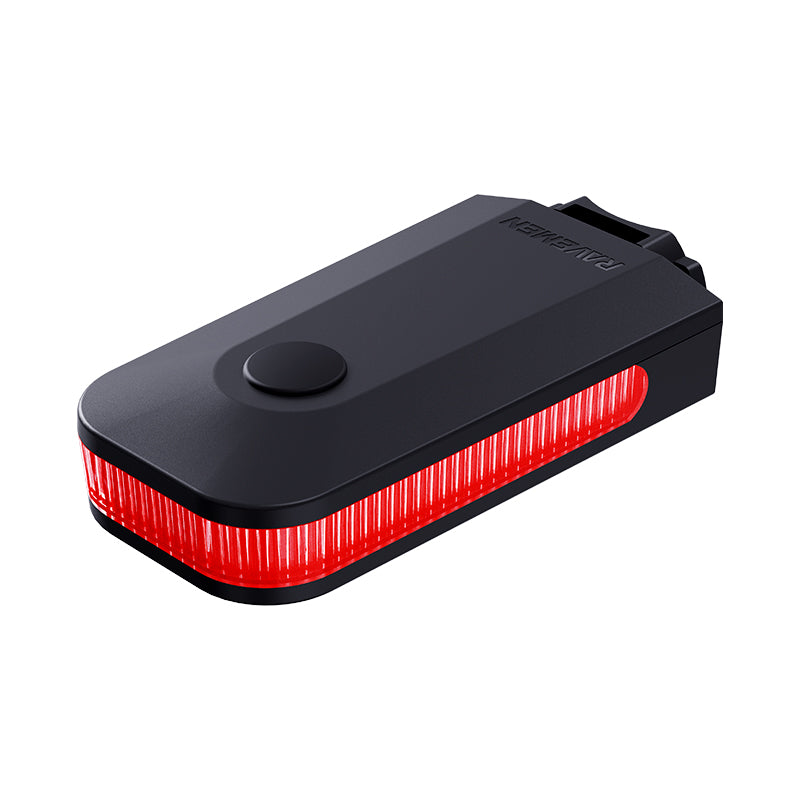
CL01
CL01:Compatible with ABM18 + ABM14Fits standard seat rails CL01 Pro:Compatible with ABM25 + ABM14Fits wide carbon s...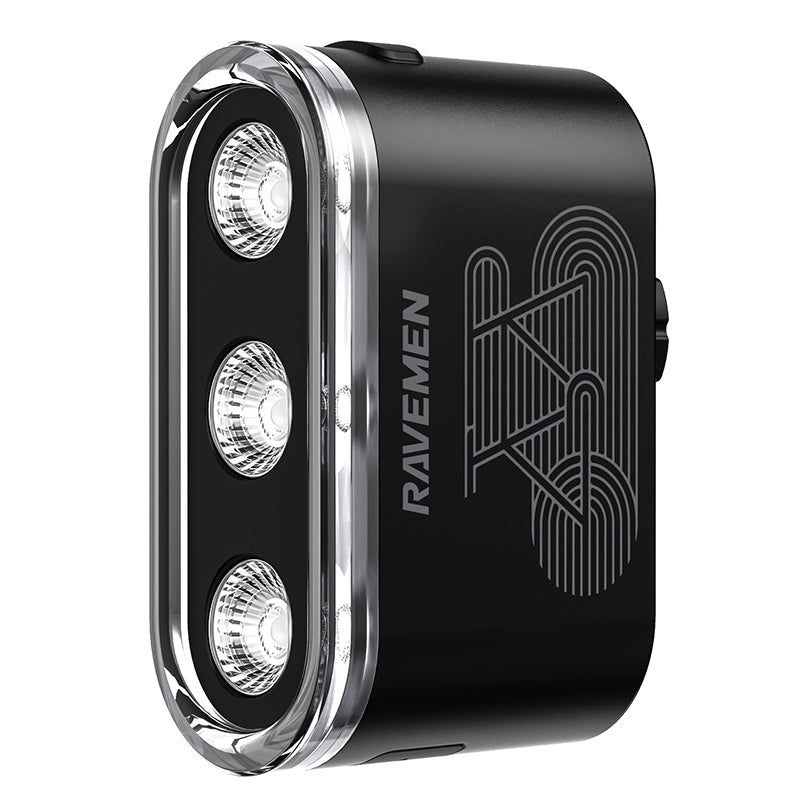
TR400
With max 400 LED lumens and an improved eye-catching warning flashing mode, the TR400 delivers outstanding daytime ...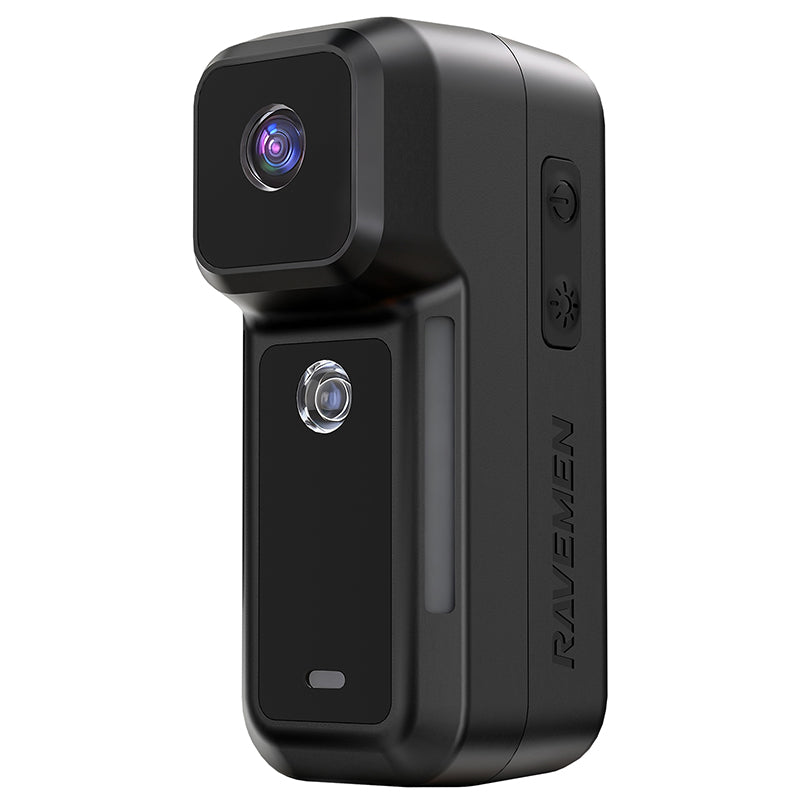
NT301 Smart Bike Tail Light with 2K Camera
The RAVEMEN NT301 is a smart tail light that redefines cycling safety and recording. Equipped with a 138° ultra-wid...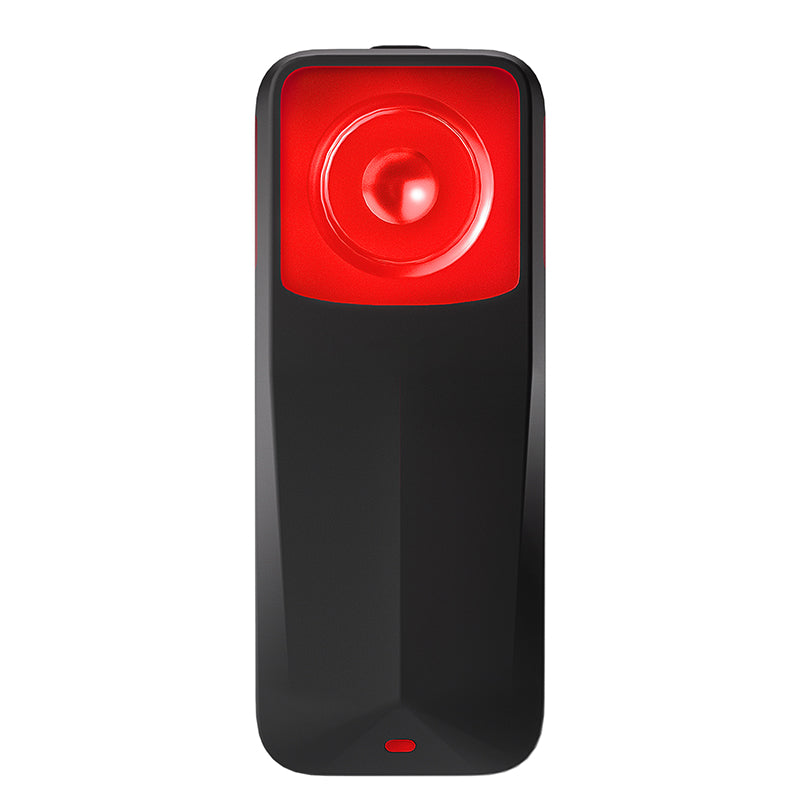
NT201 Smart Bike Radar Tail Light
Enhance your ride with next-level awareness! This smart radar tail light seamlessly integrates with Garmin, Wah...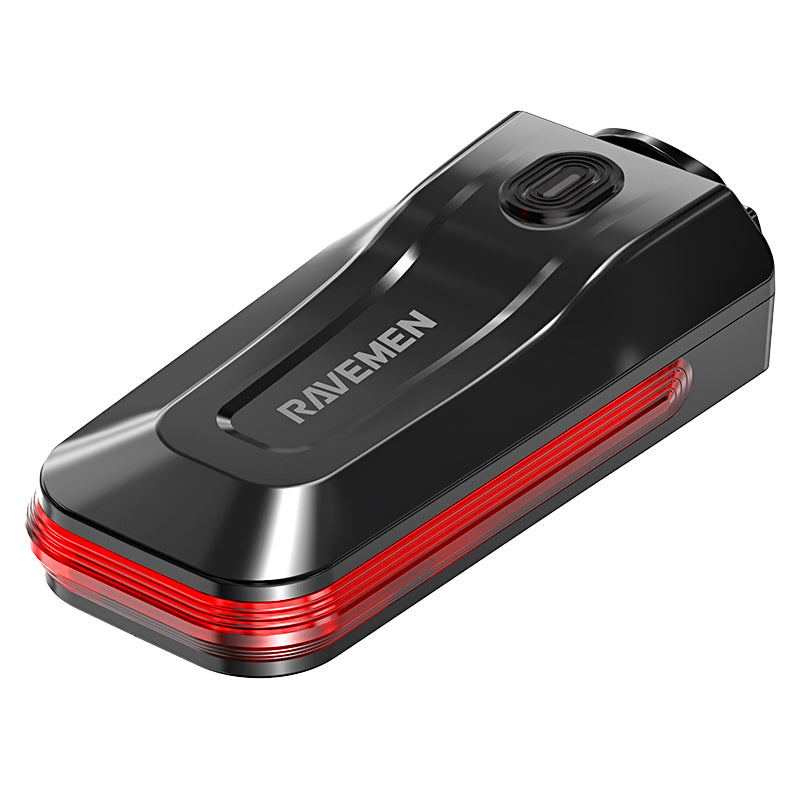
CL50 Bike Tail Light
Accessories consistent with CL01 Pro — compatible with ABM25 + ABM14Fits saddle rails as well as round seatposts, a...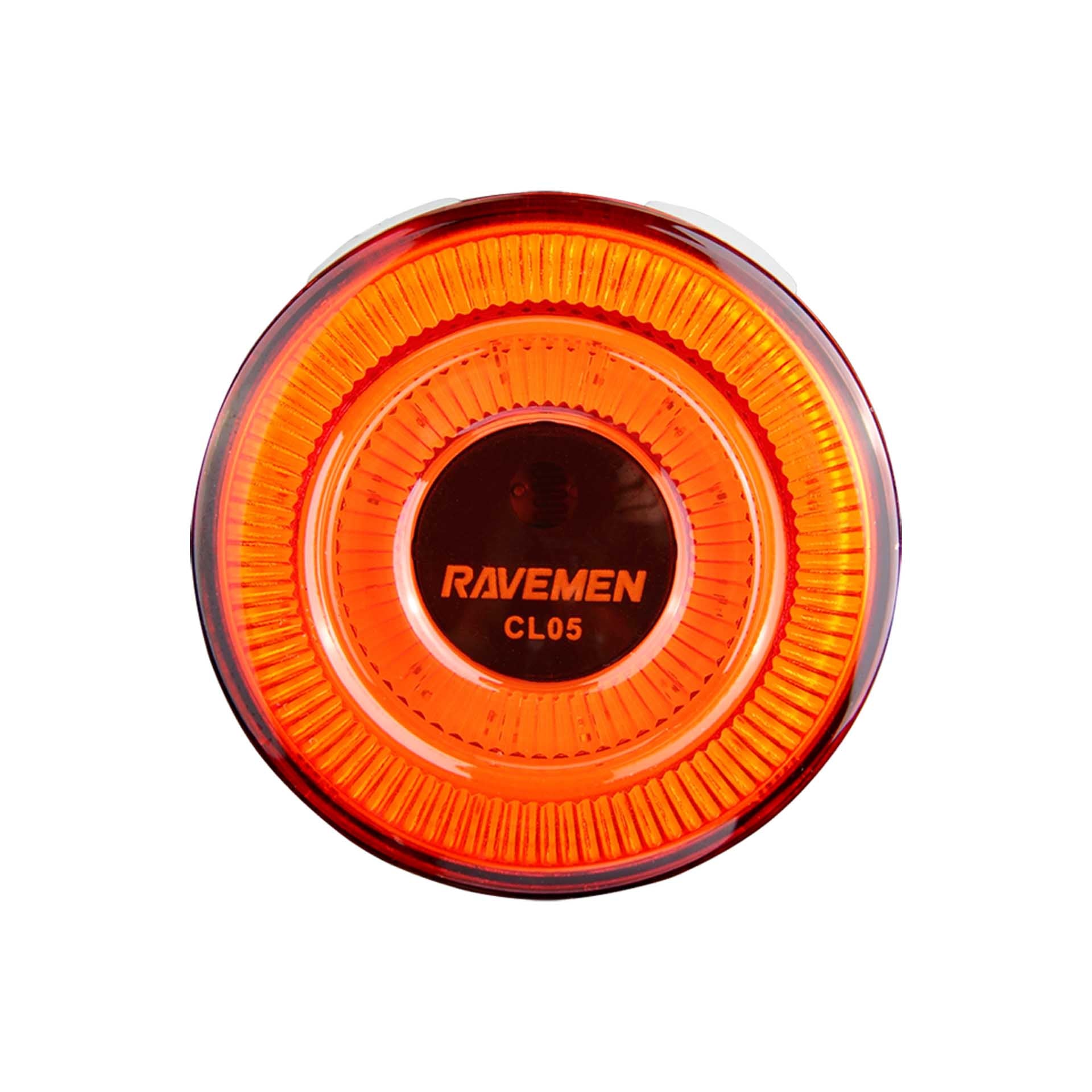
CL05
CL05 is a lightweight and easy-to-use rear light. Featuring two COB LED rings and built-in light sensor, it provide...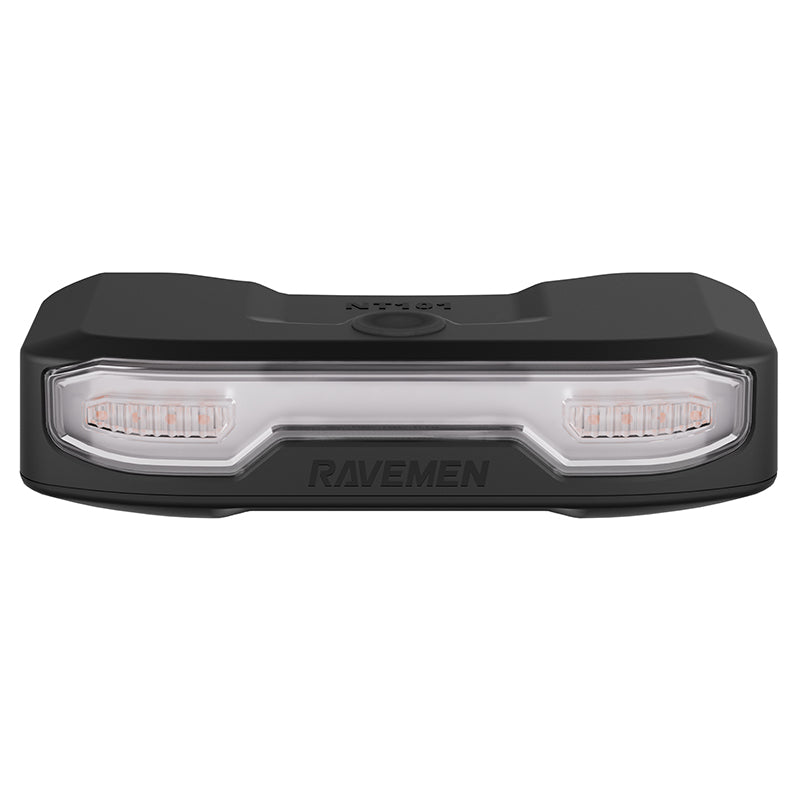
NT101
City riders, this is the perfect light to enhance your safety. Our bike turn signals function like car signals, pro...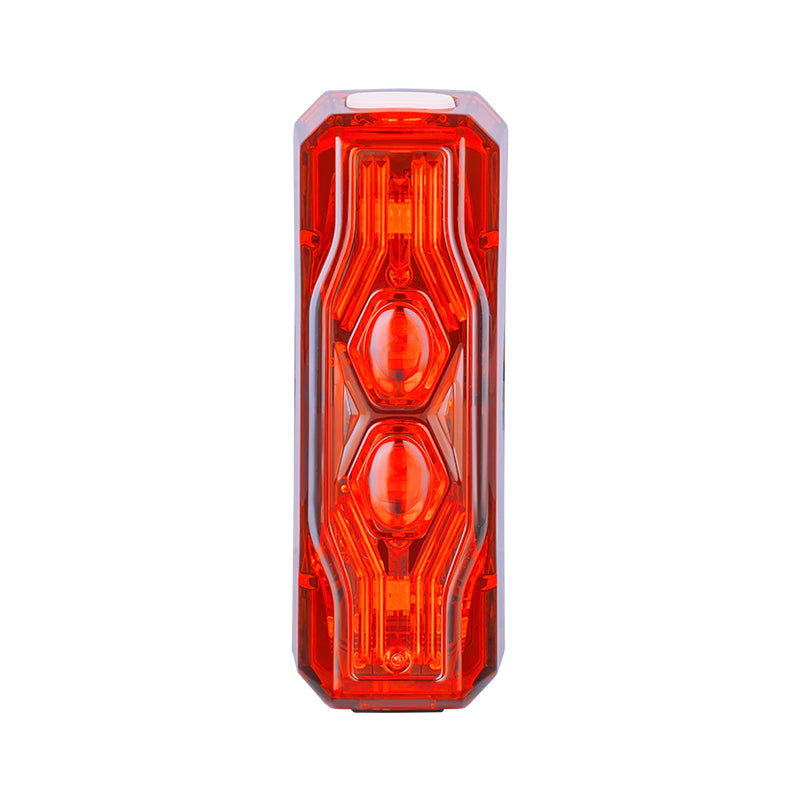
TR250
Experience the advanced safety and performance of the TR250 series tail light, designed to keep you visible day or ...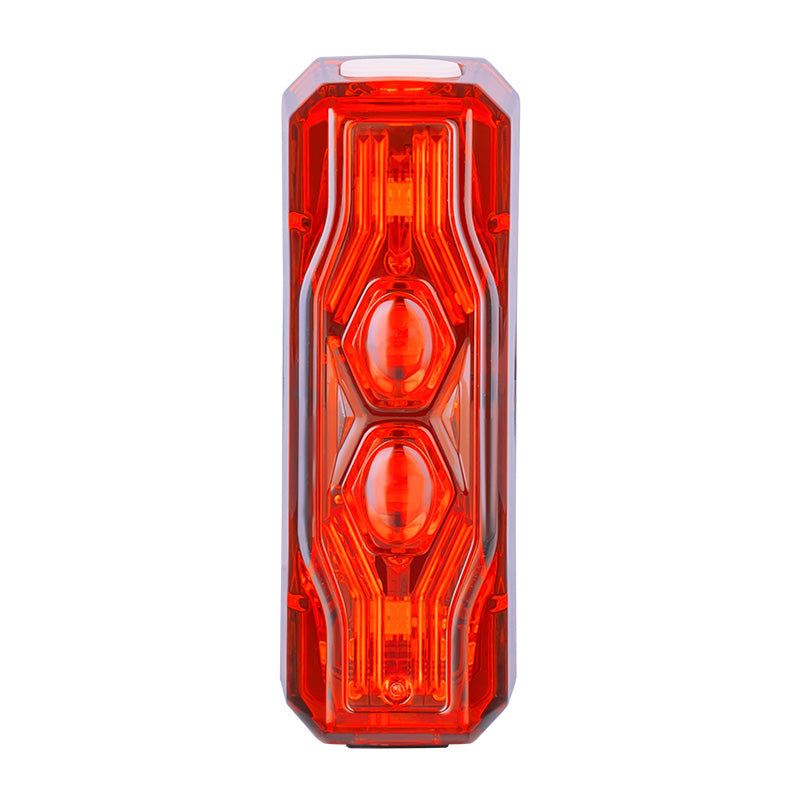
TR150
Experience the advanced safety and performance of the TR150 series tail light, designed to keep you visible day or ...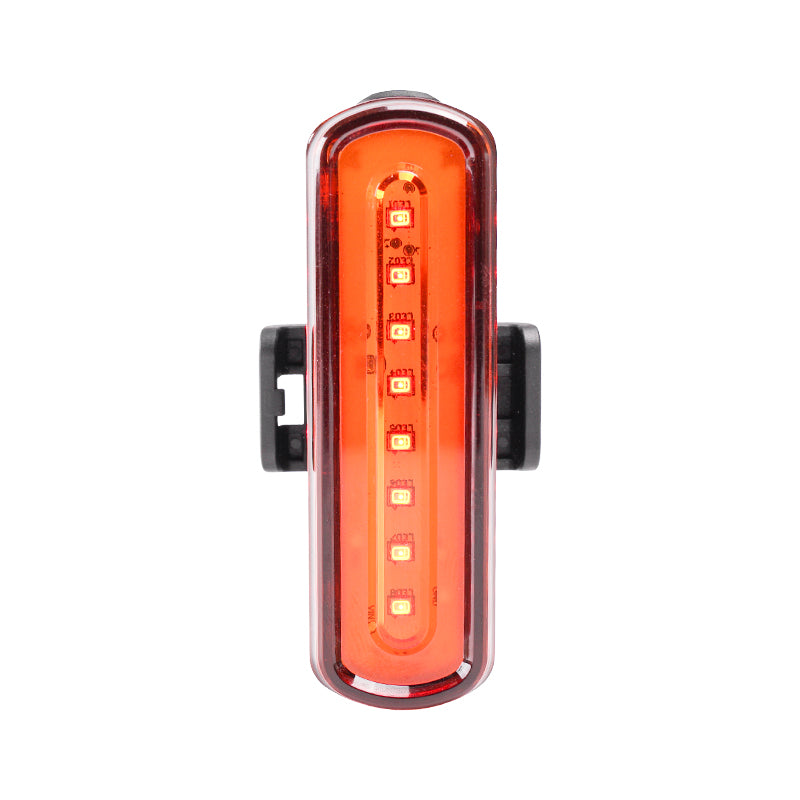
TR30
With high visibility and superior side illumination, the TR30 ensures you're seen from all angles, day or night. It...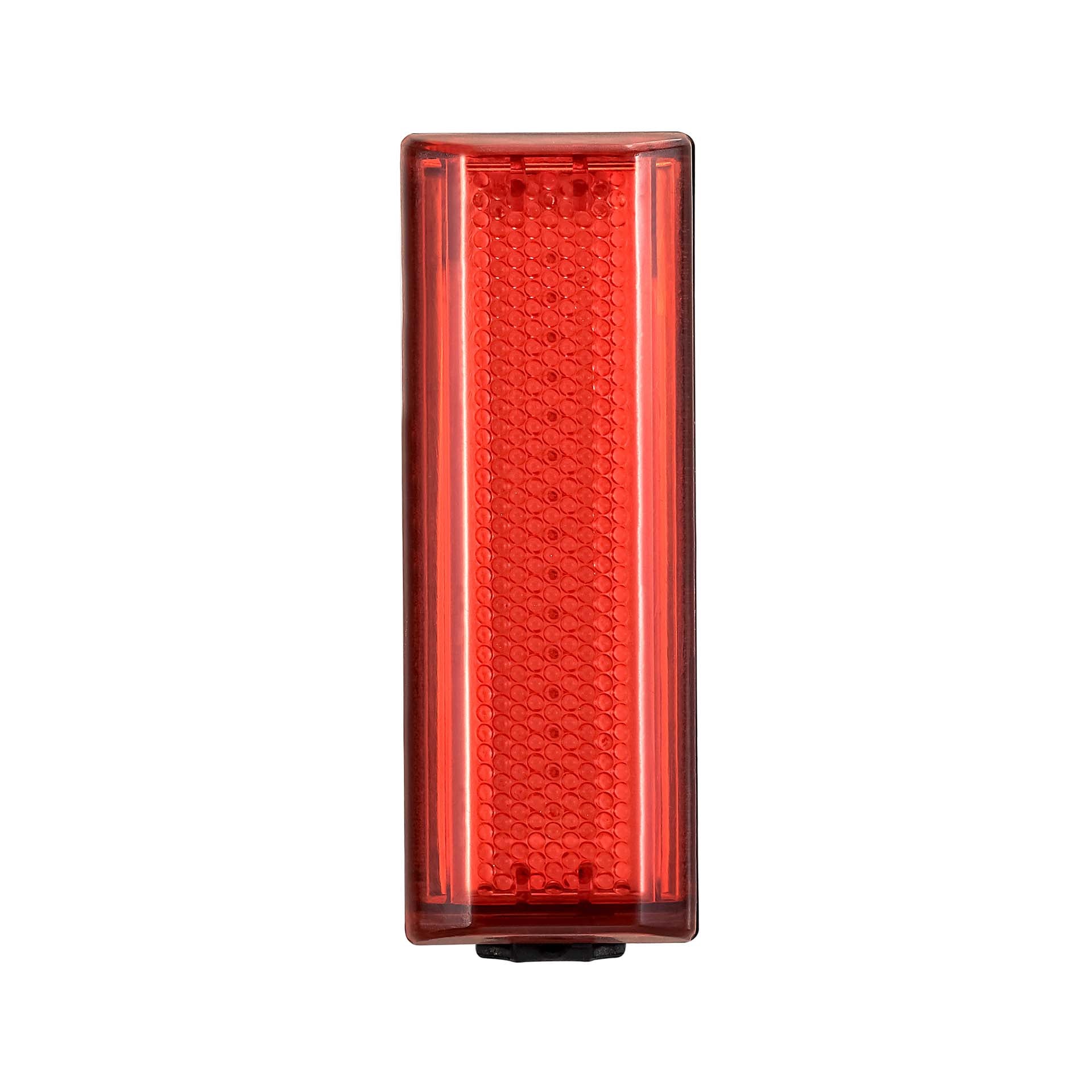
TR20
With only 20 grams of the whole unit and max 20 LED lumens, TR20 is a super compact, lightweight yet bright rear li...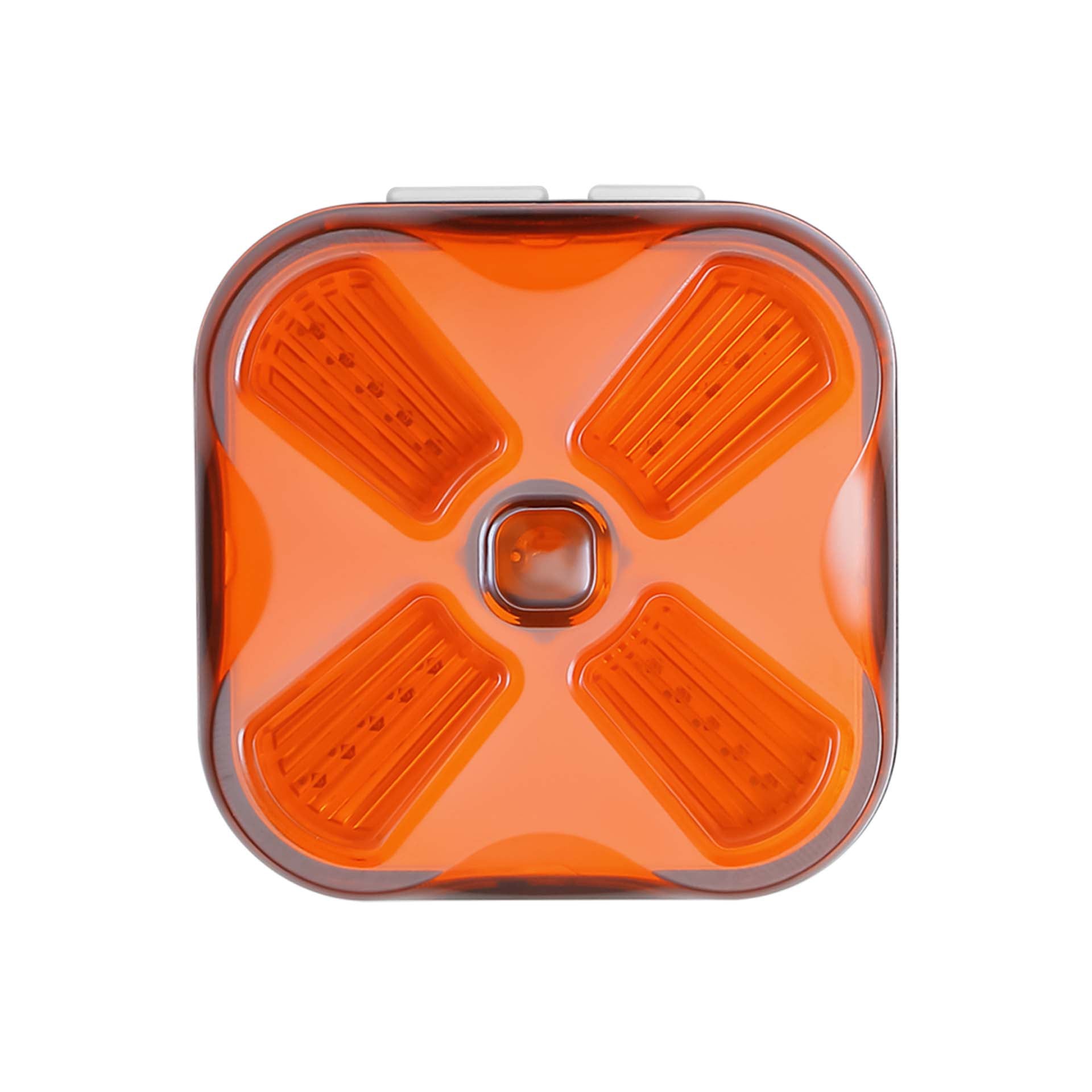
CL06 Brake Light
CL06 is a lightweight and easy-to-use rear light. Featuring four sets of COB LEDs and built-in sensors, it provides...How to Choose the Right Bike Tail Light
The right bike tail light depends on when and where you ride. For daytime visibility and short urban trips, a compact rear bike light with a bright flashing mode is often enough. For daily commuting and city road use, look for a rechargeable bike tail light that balances brightness, runtime, and easy mounting. For dark roads at night or longer rural rides after sunset, a higher-output bicycle tail light with wide beam coverage and brake sensing is a smarter choice to help you stand out to approaching vehicles.
What Makes a Smart Bicycle Tail Light
When comparing bike tail lights, look beyond brightness alone. The best bike tail light combines reliable brightness, wide‑angle visibility (at least 180°–280°), brake detection that automatically brightens when you slow down, auto on‑off sensors for hands‑free operation, USB‑C charging, and a secure mount. Beam angle, battery life, charging convenience, and mounting compatibility all affect daily usability. Ultimately, the best bike tail light isn‘t necessarily the brightest; it’s the one that best matches your riding habits and environment.
FAQ
What is the best bike tail light for night riding?
What is the best bike tail light for night riding?
For night riding on dark roads or country lanes, look for a rear bike light with at least 100–200 lumens output and a wide beam angle for side visibility. RAVEMEN's TR250 offers 250 lumens in flash mode and 280° field of view. For extra security, models like the NT301 include a 2K camera and accident‑locked recording to capture road conditions after dark.
How bright should a rear bike light be for city commuting?
How bright should a rear bike light be for city commuting?
For city commuting on well-lit roads, a rear bike light with 50–150 lumens is generally sufficient, as high-intensity flashing modes are often more noticeable than steady brightness in daylight. For daytime visibility in direct sunlight, brighter options around 200–300 lumens with focused flash patterns help you stand out to drivers. Choose a light with multiple modes so you can adjust brightness based on time of day and traffic density.
Are rechargeable bike tail lights better than battery-powered ones?
Are rechargeable bike tail lights better than battery-powered ones?
Yes, rechargeable bike tail lights are generally more convenient and cost-effective in the long run. They eliminate the need to buy and replace disposable batteries. Most modern rechargeable models feature USB-C charging, allowing you to top up via laptop, power bank, or wall outlet. Many also include battery indicators, so you are never caught off guard. While battery-powered lights can be useful as emergency backups, rechargeable lights offer lower lifetime cost and less waste.
How do brake-sensing bicycle tail lights improve safety?
How do brake-sensing bicycle tail lights improve safety?
A brake-sensing bicycle tail light uses an internal motion sensor to detect deceleration, then automatically boosts brightness for about 2–3 seconds to alert drivers behind you. This is especially useful during sudden stops in traffic, intersection braking, or riding in mixed urban traffic where drivers need a clear signal that you are slowing down.
What is the difference between flashing and steady bike tail lights?
What is the difference between flashing and steady bike tail lights?
Flashing modes typically attract more attention from drivers, especially during daytime rides, because the changing brightness stands out against ambient light. Steady modes are generally preferred for night group riding, as constant light is less distracting to riders behind you and is also required under some regional regulations.
How long does a rechargeable bike tail light last on a full charge?
How long does a rechargeable bike tail light last on a full charge?
Battery life varies by mode and model. Bike tail lights CL01 can operate for up to 45 hours on a full charge. High-capacity models like the NT301, which include a camera function, provide up to 130 hours of operation when both the camera and light are used simultaneously. In general, flashing modes consume less power and extend battery life compared to high-intensity steady settings.
Can I use a bike tail light in the rain or bad weather?
Can I use a bike tail light in the rain or bad weather?
Most RAVEMEN tail lights are rated IPX6 waterproof, meaning they resist heavy rain and splashes without damage. Models like the CL01, TR250, NT301, and NT401 all feature IPX6 protection, but you must keep the charging port cover closed when riding in wet conditions. For year‑round commuters, choosing a waterproof rear bike light is essential for reliable performance in rain, fog, and road spray.