

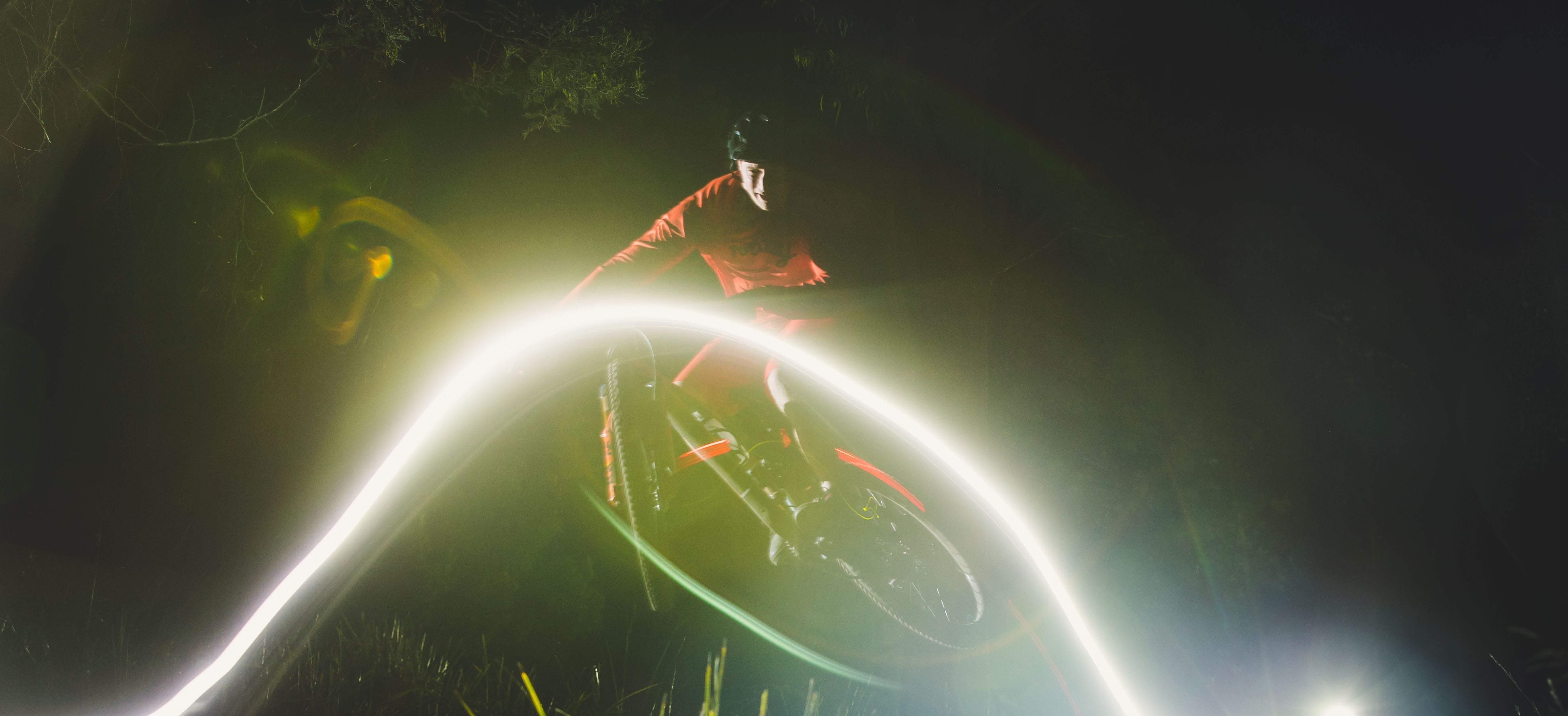
MOUNTAIN BIKE LIGHTS
Built to conquer trails. Our MTB lights feature high lumen output, rugged design, and wide flood beams for rough terrains and fast descents.
Filters
5 products
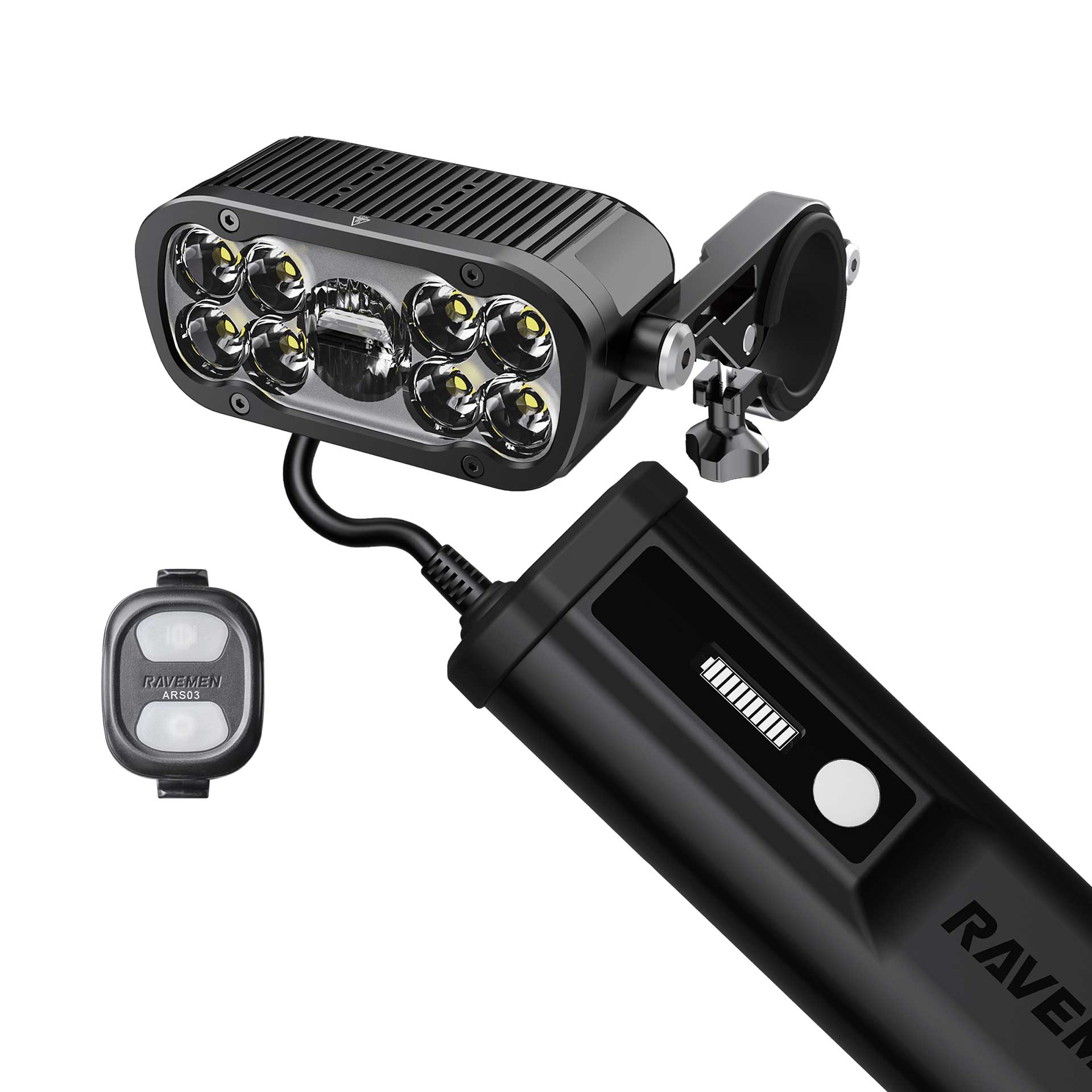
XR6000
With the XR6000 headlight, the night will never be a reason to stop you from enjoying the ride. Giving out 6000 lum...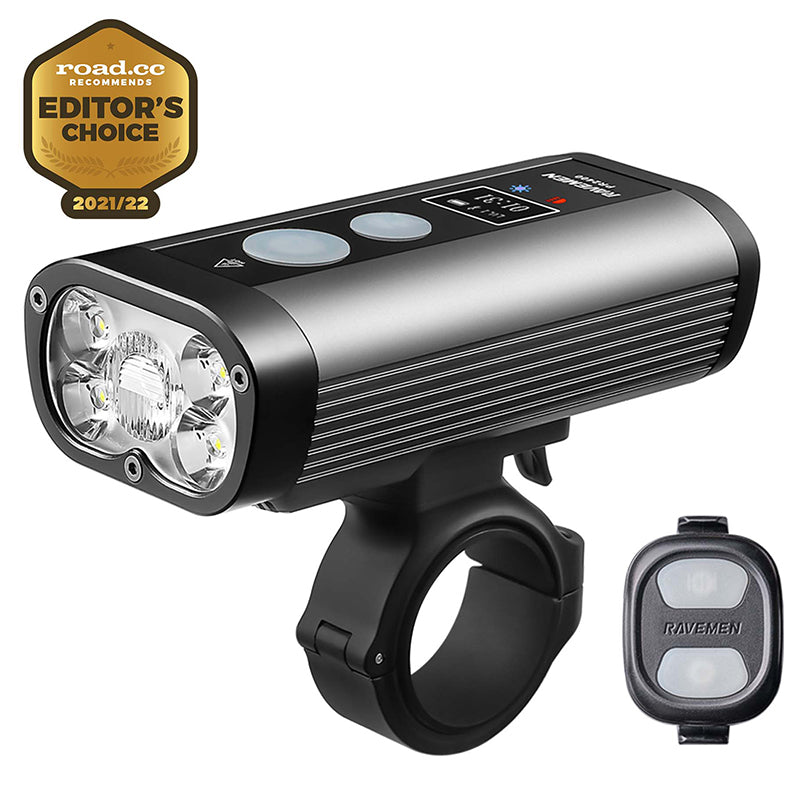
PR2400
Featuring 5 high-intensity white LEDs and 8000mAh/3.6V high-capacity rechargeable battery, PR2400 is a high-perfor...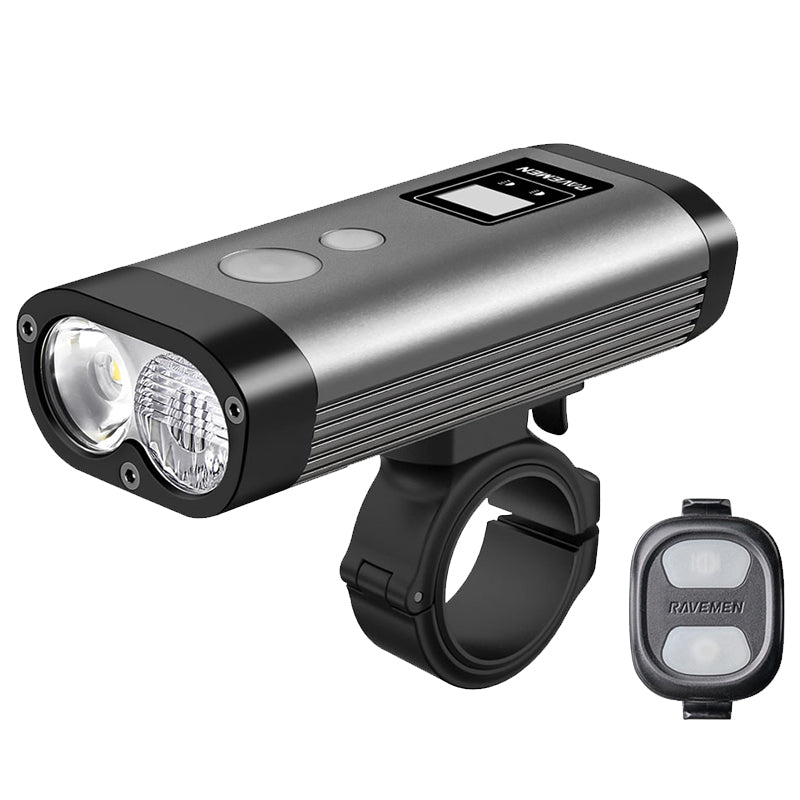
PR2000
Though in a compact size, PR2000 can give out 2000 lumens on its max brightness and turn night into day for your ni...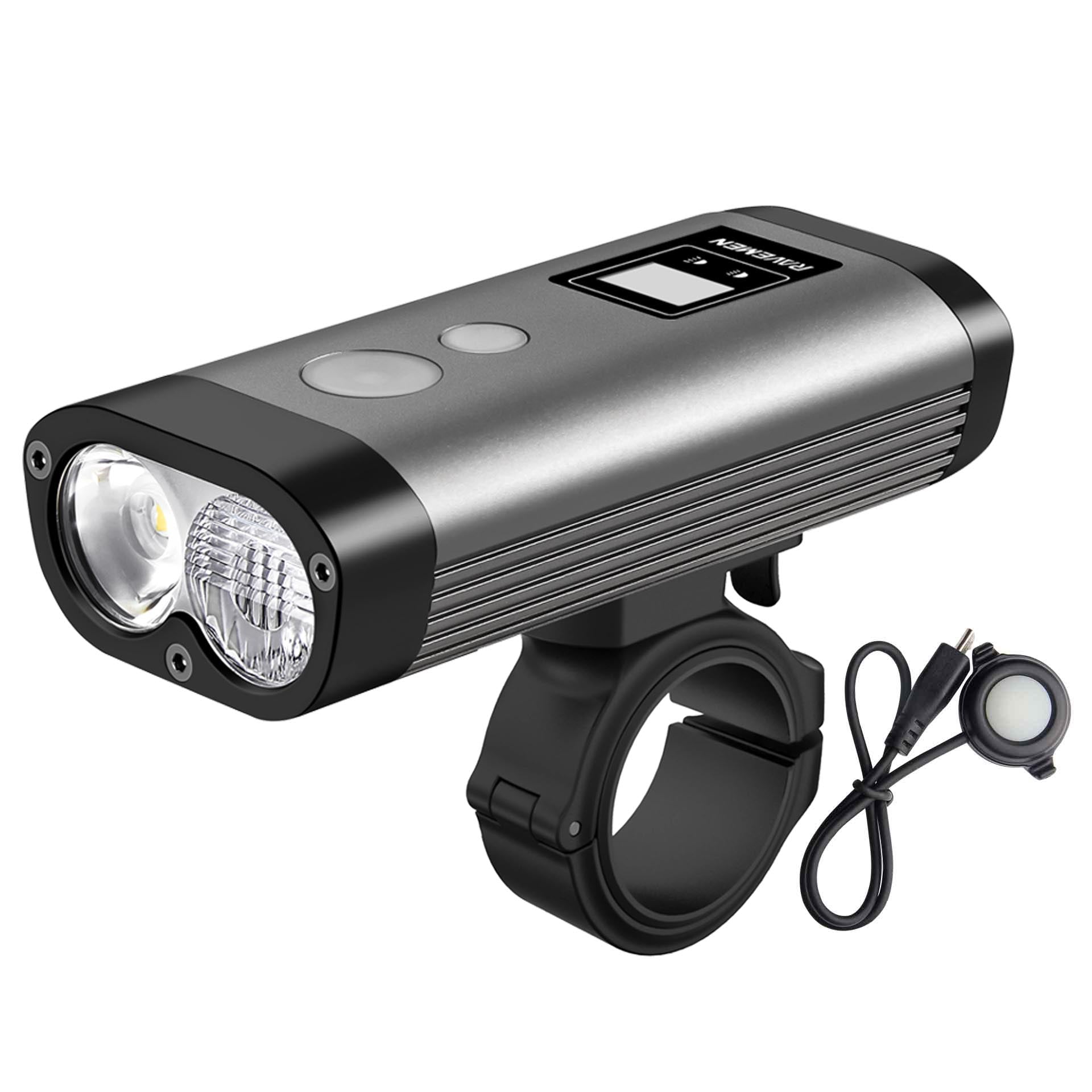
PR1400
With the innovative optical design, LED runtime display, wired remote control and many other useful features, PR140...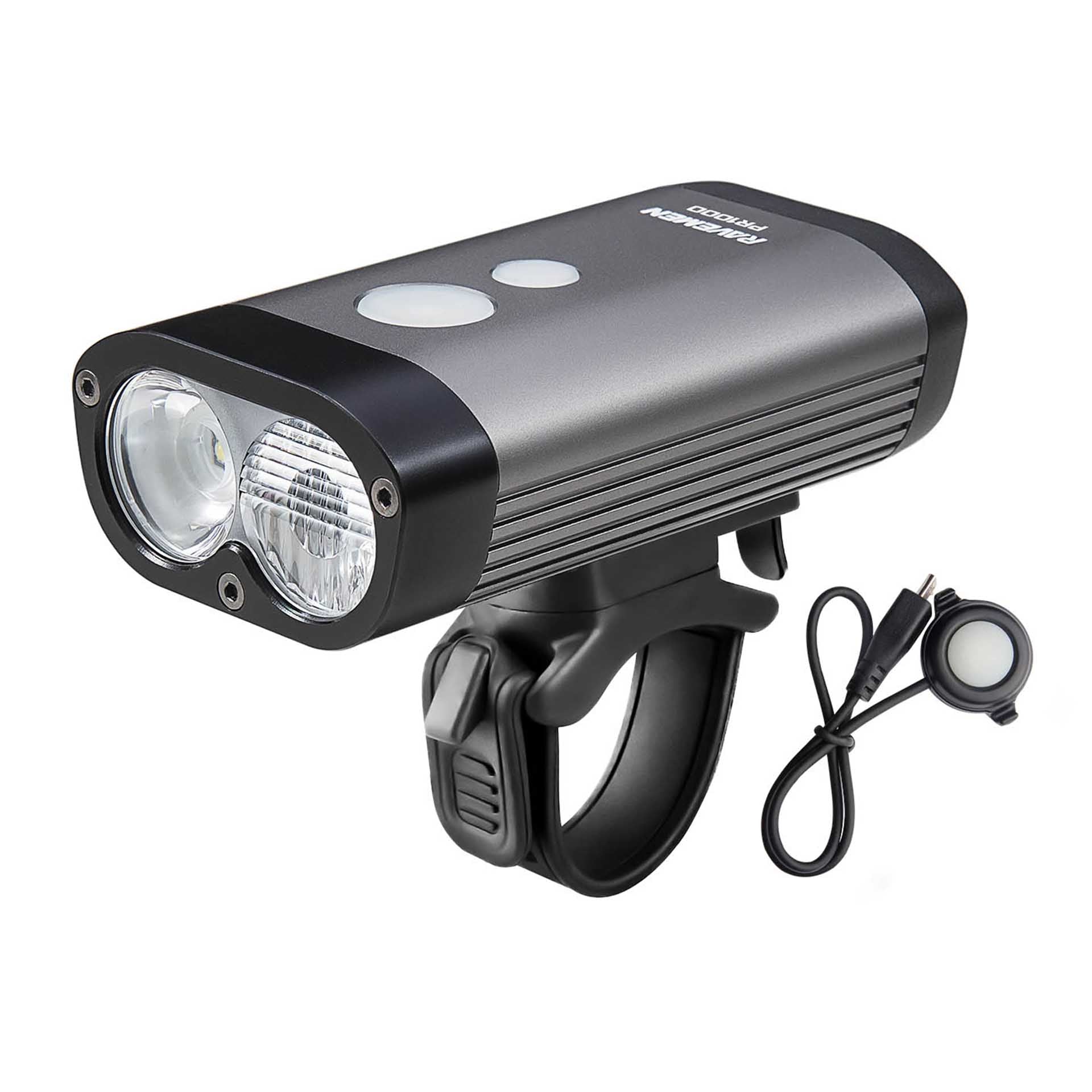
PR1000
PR1000 is the most compact and light-weight bike light in the PR series, making it another best choice for road cyc...How to Choose Mountain Bike Lights for Night Riding
The right mountain bike lights depend heavily on where and how fast you ride off-road. For casual trail riding on familiar green or blue singletrack, a compact mountain bike light setup with 800–1200 lumens is often enough. For technical descents and fast night riding on black diamond trails, a high-output mountain bike headlight with 2400–6000 lumens and a dual-beam system becomes essential. RAVEMEN’s PR series and XR6000 offer trail‑optimized Hi‑Lo beam modes, high beam for distance vision, and anti‑glare low beam for close‑range coverage, giving you automotive‑grade lighting that adapts to every turn and drop.
What Makes Great Bike Lights for Mountain Bikes
When choosing bike lights for a mountain bike, peak lumens alone won‘t tell the full story. A proper mountain bike front light needs three things: a beam pattern that balances spot and flood for both distance and peripheral vision, sustained runtime that doesn’t dim after 30 minutes, and thermal management that prevents overheating on long climbs. Most RAVEMEN lights feature intelligent thermal control circuits and aluminum alloy heat‑dissipating bodies, plus OLED runtime displays and wireless remote switches so you can adjust brightness without taking your hands off the bars.
FAQ
What are the best mountain bike lights for night riding on trails?
What are the best mountain bike lights for night riding on trails?
The best mountain bike lights for night trail riding combine high sustained output, balanced beam coverage, and reliable battery life. For moderate trail speeds, 1000–1600 lumens like the PR1000 work well. For aggressive technical riding, 2000–6000 lumens is recommended. The PR2400 delivers 2400lm with a wireless remote and OLED runtime display. Many experienced riders pair a high‑output bar light with a helmet‑mounted spot light for looking through turns.
How many lumens do I need for mountain bike lights when riding off-road?
How many lumens do I need for mountain bike lights when riding off-road?
For unlit trails, 1000 lumens is a practical starting point. At 800–1200 lumens, you can ride green and blue trails confidently. At 1500–2400 lumens, technical sections and faster descents become much safer. For high‑speed enduro or black diamond trails at night, 3000–6000 lumens provide the depth and width needed to read the trail far ahead. Remember that beam pattern matters as much as raw brightness, a well‑shaped 1600lm light often performs better than a poorly focused 3000lm light.
What features should I look for in mountain bike front light systems?
What features should I look for in mountain bike front light systems?
Look for four key features:
- First, beam system: RAVEMEN’s Hi‑Lo beam simulates automotive headlights with a far‑reaching high beam and wide anti‑glare low beam.
- Second, smart control: wireless remote switches let you change brightness without releasing the handlebars.
- Third, thermal management: aluminum heat‑sink bodies and intelligent circuits prevent performance loss on long rides.
- Fourth, battery feedback: OLED displays show exact remaining runtime, so you never get caught in the dark.
How long does the battery last on high-power mountain bike lights?
How long does the battery last on high-power mountain bike lights?
Battery life varies significantly by output mode. In mid settings, the PR1400 runs about 3.5 hours in mountain bike mode. The XR6000’s external 8000mAh pack supports 18W fast charging and powers 6000lm for about 1.2 hours in high mode. Most lights also include eco modes that extend runtime to 18–20 hours for mixed use.
What beam pattern is best for mountain biking at night?
What beam pattern is best for mountain biking at night?
A hybrid beam pattern works best off‑road. You want a flood for close‑up peripheral vision to spot roots and rocks just in front of your wheel, plus a spot for distance view to see the trail ahead. RAVEMEN’s Hi‑Lo beam system gives you both: a high beam for far distance, a low beam for wide, even illumination close by. For technical trails, many riders run a flood‑oriented bar light plus a spot‑oriented helmet light to look around corners.
What is the difference between flood and spot beams in mountain bike lights?
What is the difference between flood and spot beams in mountain bike lights?
Flood beams spread light broadly and evenly across a wide angle, ideal for a handlebar‑mounted light, so you see obstacles and trail edges directly in front. Spot beams concentrate light into a narrow, far‑reaching cone, better for helmet mounting, so the light follows where you look, turning into corners before your bars do. RAVEMEN’s dual‑beam designs combine both in one housing: flood for near coverage, spot for distance, giving you complete situational awareness without needing two separate lights.
Do mountain bike lights overheat during long rides?
Do mountain bike lights overheat during long rides?
High‑output mountain bike lights generate significant heat, but quality models manage it effectively. RAVEMEN lights feature solid aluminum alloy bodies with vertically aerodynamically designed heat sinks that dissipate heat efficiently. They also include intelligent thermal management circuits that automatically reduce output if internal temperatures approach unsafe levels, protecting the LEDs and preventing sudden shutdowns mid‑ride. On cooler night rides, thermal throttling is rarely noticeable, but during summer climbs or low‑speed sections, these safeguards ensure your light stays reliable without damaging components.