

Best Budget Bike Lights: How to Stay Safe for Less
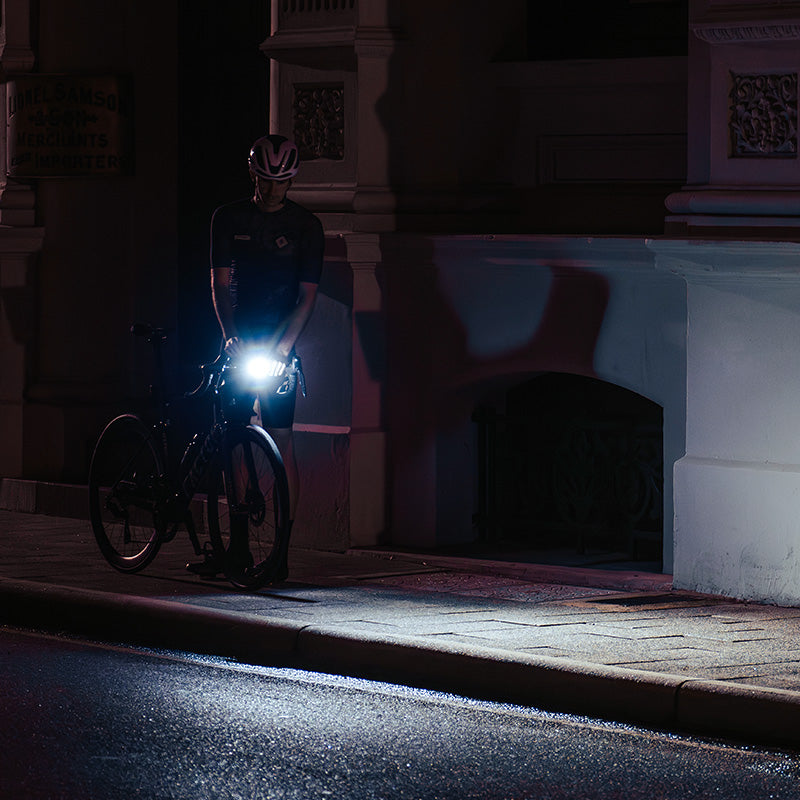
You don't need to spend a fortune to stay visible on your bike. For everyday commuters and casual cyclists, best budget bike lights can provide reliable visibility without the cost of high-output trail lights or advanced lighting systems.
By understanding typical price ranges, essential safety features, and the specifications that matter most, you can find affordable bike lights that perform reliably on your daily rides.

How Much Should You Spend on Budget Bike Lights?
Bike lights come in different price points, from basic visibility lights to more advanced models for regular nighttime riding. To find the best budget bike lights, understanding what each price range offers can help you narrow your options.
A lower price may be enough for a short commute on well-lit streets, while riders who regularly travel on darker roads may benefit from investing more in their front light.
Here is a general breakdown of what you can expect:
| Budget | What to Expect | Best For |
| Under $50 | Basic bike light sets, entry-level rechargeable lights, and simpler mounting systems | Short urban commutes, casual riding, and backup visibility |
| $50–$100 | More capable front lights, improved beam control, longer runtime, and additional convenience features | Everyday commuting and mixed urban riding |
| $100–$150 | Higher-output front lights, more advanced optical designs, and versatile mounting or smart features | Darker roads, longer commutes, and riders who need more reliable illumination |
These are general purchasing ranges rather than fixed market standards. Actual prices vary by brand, retailer, and product configuration.
For most commuters, a reliable bike light set under $100 may be sufficient for well-lit urban streets. If your route includes unlit sections, allocating more of your budget to a front light with better illumination and beam control can be a more practical choice.
The goal is not to spend more than necessary, but to find a light that meets your riding requirements without compromising essential safety features.
What Do Cheap Bike Lights Usually Sacrifice?
A low-cost light is not necessarily a poor-quality product. However, some manufacturers reduce costs through simpler components or fewer features.
The most important differences to watch for include:
- Optical quality: Basic lenses may produce uneven illumination or excessive glare, making it harder to see the road clearly.
- Brightness consistency: Some lights may reduce their output after running at maximum brightness for a period of time.
- Battery performance: Advertised runtime may refer to the lowest setting rather than the brightness you actually use.
- Mounting stability: A weak mount may allow the light to shift on rough roads, changing its beam direction.
- Weather resistance: Poorly protected charging ports and housing seals can reduce reliability in wet conditions.
The best way to save money is to avoid paying for unnecessary extras while maintaining the features that directly affect visibility and reliability.
Essential Features for Safe Budget Bike Lights
When comparing the best budget bike lights, focus on the specifications that influence how well you can see the road and how easily other road users can see you.
1. Brightness and Beam Pattern
Brightness is one of the first specifications people check, but lumen output should always be considered alongside beam design.
For well-lit urban streets, a front light with approximately 200–300 lumens can provide a practical balance between visibility and illumination. If your route includes darker sections, a light in the 500–800-lumen range may offer more useful road illumination. For completely unlit roads, the required output depends on riding speed, road conditions, and how far ahead you need to see.
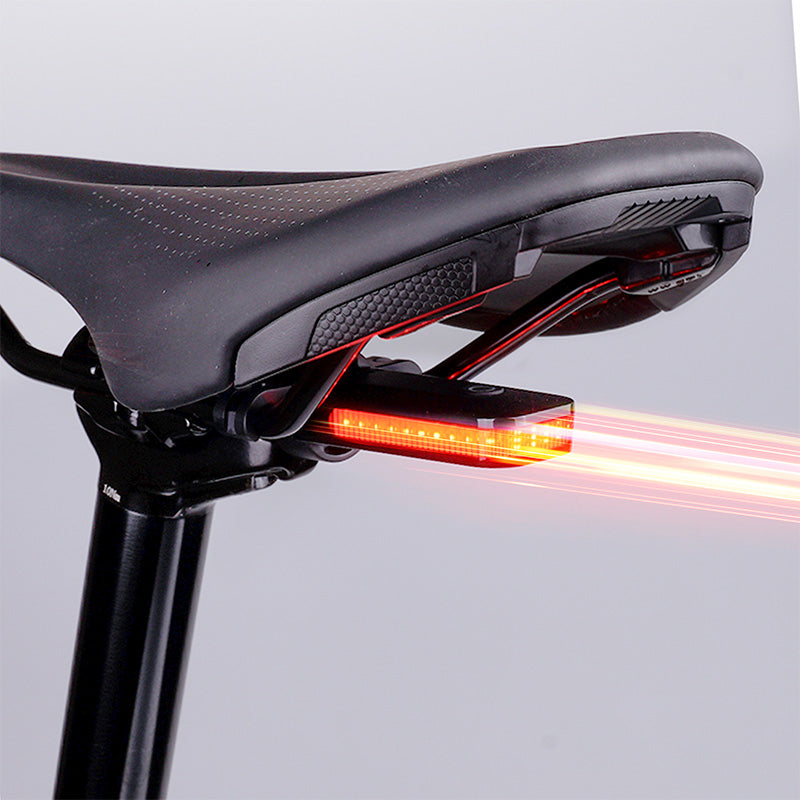
A rear light serves a different purpose. Its primary function is to make you noticeable to traffic approaching from behind. For everyday commuting, approximately 20–50 lumens can be a useful starting point, depending on the beam pattern and surrounding conditions.
When evaluating bike light lumens, consider three factors:
- Maximum output: The highest brightness the light can produce.
- Sustained output: How much brightness it can maintain during a ride.
- Beam distribution: How effectively the light directs illumination onto the road.
A well-controlled beam can provide more useful illumination than a higher-output light with excessive glare or poorly distributed brightness. Learn more about how many lumens do you need for bike riding before choosing a bike light.
For budget buyers, a bike light with a practical beam pattern and sufficient sustained output is often a better investment than one that simply advertises a larger lumen number.
2. Runtime and Battery Reliability

A budget bike light should last through your longest typical ride without running out of power.
However, advertised runtime figures can vary considerably between lighting modes. A bike light that claims eight hours of runtime on low may provide much less time on medium or high. Before purchasing, check whether the manufacturer provides runtime information for the modes you are most likely to use.
A practical approach is to choose a light that can cover your usual riding time with some battery reserve. This helps account for unexpected delays, colder weather, and battery aging. A battery indicator is also useful for checking the remaining charge before leaving home.
3. USB-C Charging
A rechargeable usb c bike light can make everyday use more convenient, particularly if you already use USB-C cables for other devices.
For regular commuters, USB-C charging can simplify the process of recharging lights at home or at work. However, the charging interface is only one part of the decision. Check whether the port has a secure protective cover and whether the light provides clear charging-status information.
4. Water Resistance
Rain and road spray are common challenges for everyday cyclists. A budget light should offer enough protection for the conditions in which you ride.
When comparing waterproof bike lights, consider the following practical distinctions:
- IPX4 can be suitable for some everyday riding conditions, but it should not be treated as a guarantee of protection during prolonged heavy rain.
- For riders who regularly commute in wet weather, IPX5 or IPX6 can provide a more useful level of water resistance.
5. A Secure and Practical Mount
A light that shifts while riding can direct its beam away from the road or toward the eyes of other road users. For this reason, mounting stability is an important feature even when purchasing an inexpensive light.
Check whether the mount fits your handlebar or seatpost securely and whether it can withstand the vibration of your usual route. A simple, reliable mounting system can be more valuable than additional lighting modes that you rarely use.
Which Ravemen Bike Lights Are Worth Considering?
Once you understand the essential specifications, the next step is to match the light to your riding needs. For budget-conscious cyclists, the best choice depends on whether you need a basic visibility light, a more capable front light, or a complete front-and-rear setup.
Ravemen FR500: A Functional Front Light for Commuting

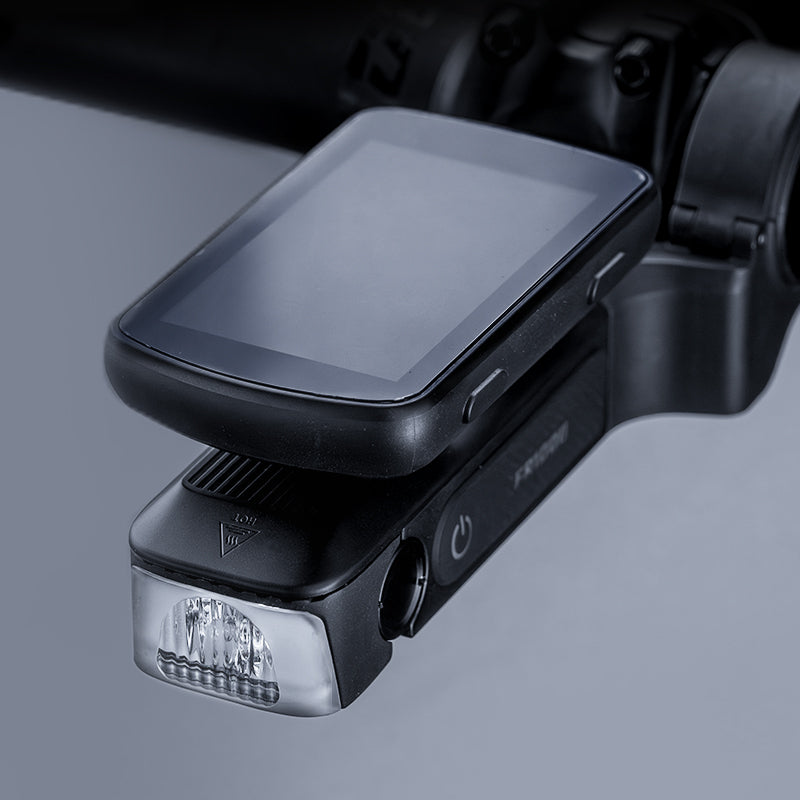
The FR500 provides up to 500 lumens of nighttime illumination and multiple daytime warning flash modes. Its integrated bike computer mounting design fits beneath compatible Garmin-style mounts, helping save handlebar space.
Additional features include:
- Automatic on/off functionality triggered by movement.
- USB-C charging.
- IPX6 water resistance.
- A design that accommodates compatible bike computer mounts.
- Emergency charging capability for compatible bike computers.
The FR500 is particularly useful for riders who value a compact setup and want a front light that can serve both daytime and nighttime riding needs.
For more commuter-focused options, explore the commuter bike lights collection.
Everyday Tips for Getting More From Your Bike Lights
Even a reliable light can become less effective if it is poorly installed or used incorrectly. A few simple habits can help improve visibility and reliability.
Aim Your Front Light Correctly
Adjust your front light so that it illuminates the road ahead without shining directly into the eyes of oncoming cyclists or drivers. On well-lit streets, a lower brightness setting may be sufficient. On darker roads, use a mode that provides enough illumination to identify hazards comfortably.
Check Your Battery Before Riding
Make it a habit to check the battery level before leaving home, especially during winter when daylight hours are shorter. If your commute involves a long ride after dark, avoid relying on the lowest runtime estimate or assuming the light will last until the end of the journey.
Keep Your Charging Port Protected
Make sure the charging port cover is properly closed before riding in wet conditions. After a rainy ride, wipe away excess moisture and allow the light to dry before charging it.
Use Both Front and Rear Lights
A front light helps you see the road and makes you visible to oncoming traffic. A rear light helps approaching vehicles and cyclists recognize your presence from behind.
If your budget is limited, a balanced bike light set can be a practical starting point. If you already have a reliable front light, consider also a reliable rear light for routes that require more illumination.
Choose Value Without Compromising Safety
The best budget bike lights are not necessarily the cheapest options available. They are the lights that provide the brightness, beam quality, runtime, and weather resistance needed for your actual riding conditions.
For everyday commuting, a reliable front-and-rear setup can provide a practical balance of visibility and value. For darker roads, investing more in the front light may make a greater difference. By focusing on essential features rather than unnecessary extras, you can find affordable bike lights that support safer, more confident cycling.

Leave a comment
All comments are moderated before being published.
This site is protected by hCaptcha and the hCaptcha Privacy Policy and Terms of Service apply.