

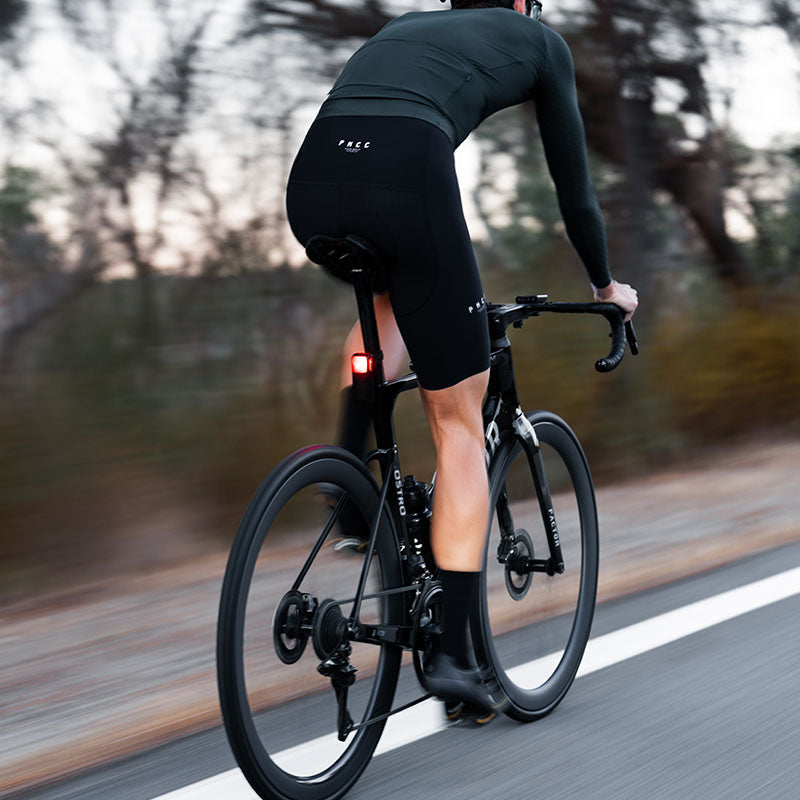
Riding on roads shared with motor vehicles requires awareness of what is happening both ahead and behind. Wind noise, changing traffic conditions, and surrounding road noise can make it harder to notice vehicles approaching from the rear.
A bike radar tail light combines rear illumination with technology designed to provide information about traffic approaching from behind. It can provide additional rearward awareness while also helping the rider remain noticeable to other road users.
For riders considering this type of device, the key questions are how it works, whether it is compatible with their existing setup, how it mounts to the bike, and what limitations they should understand.

What Is a Bike Radar Tail Light?
A bike radar with tail light combines two functions in one rear-mounted device:
-
Rear traffic detection: Radar technology monitors the area behind the bicycle for approaching traffic.
-
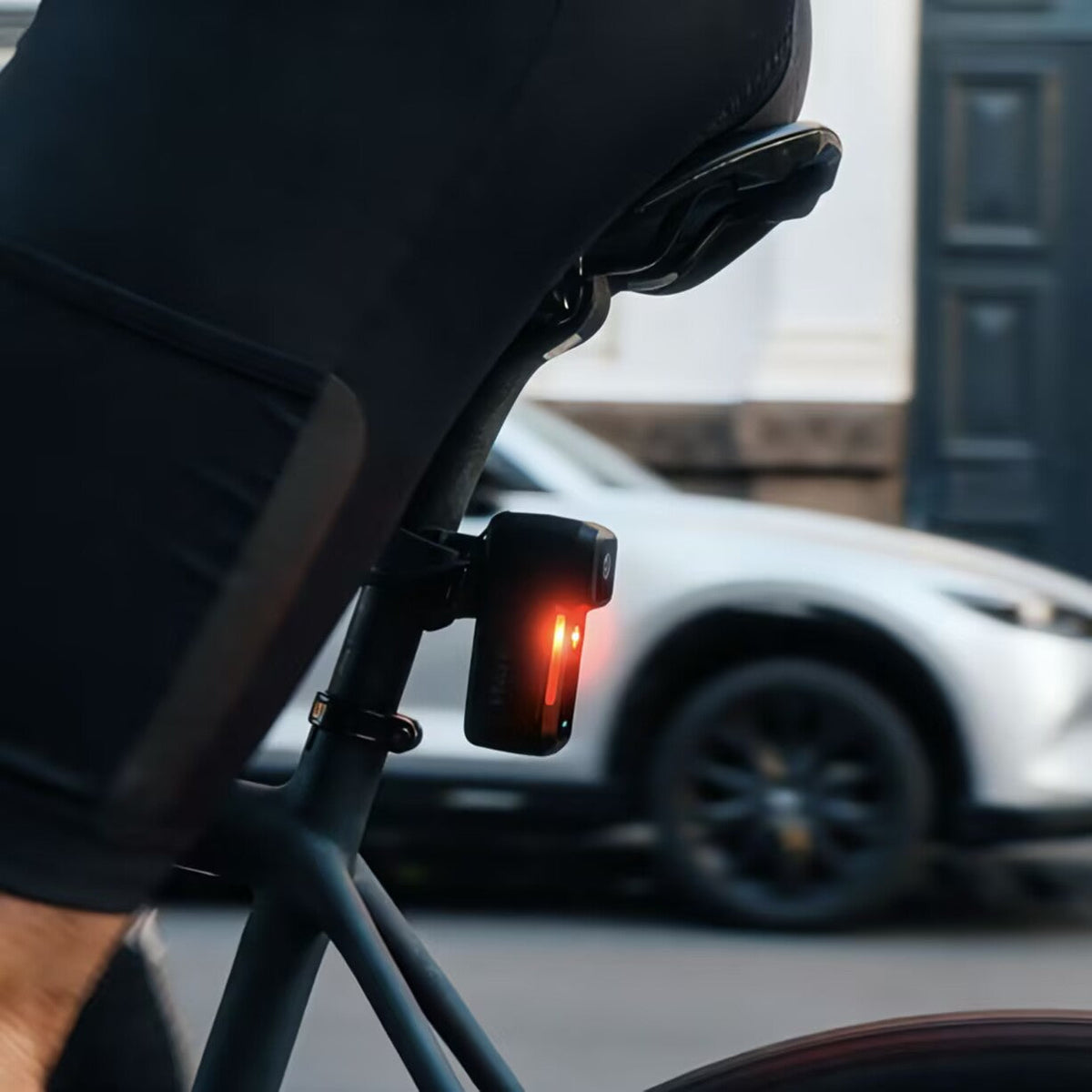
Rear illumination: An integrated LED tail light helps make the rider more noticeable during daytime or nighttime riding.
The radar and lighting functions serve different purposes. The light helps other road users see the cyclist, while the radar provides the rider with additional information about activity behind the bike.
Exact detection, alert, connectivity, and lighting features vary by device, so riders should check the manufacturer's specifications for the system they are considering.
How Does a Bike Radar Tail Light Work?
A cycling radar rear light monitors the area behind the bicycle and can provide alerts when approaching traffic is detected.
The exact way those alerts are delivered depends on the individual system.
Rear Traffic Detection
The radar component monitors movement behind the bicycle according to the capabilities of the specific device.
Rather than assuming every radar system behaves the same way, riders should review the manufacturer's documentation for details about detection range, supported targets, operating conditions, and other limitations.
Radar should be treated as an additional source of information rather than a complete picture of everything happening behind the rider.
Rider Alerts
Depending on the device, radar information may be displayed through a compatible bike computer, smartphone, smartwatch, dedicated display, or another supported device.
Alert formats also vary. A system may provide visual, audible, or other notifications depending on its design and connected equipment.
Before choosing a radar tail light, confirm that the system supports the devices you already use. Compatibility should be verified through the manufacturer's documentation rather than assumed from the presence of a particular wireless connection.
Tail Light Integration
The integrated rear light helps make the cyclist more visible to traffic approaching from behind.
Some smart cycling radar light systems may include lighting behavior that responds to detected traffic. However, this is not a universal feature, and flash patterns, brightness changes, and automatic functions depend on the individual product.
If traffic-responsive lighting is important to you, check whether the specific device explicitly supports it.
What Should You Look for in a Bike Radar Tail Light?
Choosing a radar tail light involves more than simply looking at the radar feature itself. Compatibility, mounting, visibility, runtime, and riding conditions all affect how practical the system will be for your setup.
Device Compatibility
Start by checking whether the radar works with the equipment you already use.
Depending on the system, this may include:
-
a bike computer
-
a smartphone
-
a smartwatch
-
a dedicated radar display
-
other compatible cycling electronics
Support varies by device. Always check the manufacturer's compatibility information before purchasing.
Mounting and Rear Clearance
A radar tail light needs an appropriate mounting position at the rear of the bicycle.
Before choosing a system, consider:
-
whether the supplied mount fits your intended mounting location
-
whether a saddle bag or seat pack could obstruct the device
-
whether a rear rack affects placement
-
whether the unit can remain securely positioned during normal riding
If you use an unusual seatpost shape or other accessories around the saddle area, checking mounting compatibility in advance can prevent installation problems.
Riders who use multiple mounting setups can also review RAVEMEN's information on bike light mounting and compatibility to better understand common mounting considerations.
Rear Light Visibility
The lighting portion of the device should suit the conditions in which you normally ride.
Useful factors to consider include:
-
daytime visibility
-
nighttime visibility
-
rearward light coverage
-
side visibility
-
available steady and flashing modes
Maximum brightness alone does not describe how a rear light performs in every situation. Light distribution, viewing angle, operating modes, and riding environment can also influence how noticeable the light appears to other road users.
For riders comparing different rear-light formats, RAVEMEN's bike tail lights collection provides examples of rear-light designs intended for different cycling setups.
Battery Runtime
Radar detection and rear illumination both require power, making runtime an important practical consideration.
Check the manufacturer's stated runtime for the modes and features you expect to use most often.
Actual operating time can depend on the selected lighting mode, enabled functions, device settings, and other usage conditions.
For longer rides, consider whether the stated runtime provides enough margin for your typical route rather than relying only on the maximum runtime figure.
Weather Resistance
If you regularly ride in rain or wet road conditions, check the manufacturer's stated water-resistance rating and usage guidance.
Do not assume that every radar tail light offers the same level of protection against water or road spray.

Who Might Consider a Bike Radar Tail Light?
A bike radar tail light may be relevant for cyclists who regularly ride on roads shared with motor traffic and want an additional source of information about vehicles approaching from behind.
This can include:
-
road cyclists who spend significant time on open roads
-
commuters riding on streets shared with motor vehicles
-
cyclists who want additional rearward traffic awareness
-
riders who already use compatible cycling electronics
Whether the technology is useful depends on where and how you ride.
A cyclist who spends most of their time on traffic-free paths may have different priorities from someone who regularly rides on roads with passing vehicles.
The goal is not to add technology for its own sake, but to decide whether rearward traffic information would be useful in your normal riding environment.
Important Limitations of Rear Cycling Radar
A radar tail light can provide additional information, but it should not be treated as a substitute for normal road awareness.
Radar Does Not Replace Visual Checks
Radar alerts do not replace looking over your shoulder, using a mirror, or directly observing surrounding traffic.
Before changing lanes, turning, moving around an obstacle, or entering another traffic position, visually confirm that the maneuver can be made safely.
Detection Is Not Identical Across Devices
Do not assume every radar system detects the same objects or performs the same way under every condition.
Detection capabilities depend on the specific hardware and software used by the manufacturer.
Traffic movement, road layout, device position, and other operating conditions may also affect how a system performs.
For exact detection capabilities and limitations, consult the documentation for the specific device.
Features Vary by Model
Radar tail lights can differ in:
-
alert types
-
display compatibility
-
lighting behavior
-
mounting systems
-
detection capabilities
-
battery runtime
-
supported connected devices
This is why product documentation matters. Features that appear on one radar tail light should not automatically be assumed to exist on another.
Bike Radar Tail Light vs. a Standard Rear Light
A standard rear light and a radar tail light both address rearward visibility, but they do not serve exactly the same function.
A standard tail light is primarily designed to help other road users see the cyclist.
A radar tail light combines that rear illumination with a system designed to provide the rider with additional information about traffic approaching from behind.
That does not mean every rider needs radar.
For cyclists mainly looking for rear visibility, a conventional tail light may already address the primary need. Riders who also want additional information about rearward traffic may find the radar function relevant to their riding environment.
The decision should be based on riding conditions, existing equipment, compatibility requirements, and how useful rearward traffic alerts would be during normal rides.
Conclusion
A bike radar tail light combines rear illumination with technology designed to provide additional information about traffic approaching from behind.
For riders considering one, the most important factors are not only the radar feature itself but also device compatibility, mounting, rear-light visibility, battery runtime, weather resistance, and the manufacturer's documented detection capabilities.
A radar system should remain an auxiliary awareness tool rather than a replacement for direct observation. Shoulder checks, traffic judgment, and normal road awareness are still essential when riding around motor vehicles.
Frequently Asked Questions About Bike Radar Tail Lights
Does a bike radar tail light work without a bike computer?
It depends on the specific device. Supported display options vary by model and may include a compatible bike computer, smartphone, dedicated display, or other supported equipment.
Check the manufacturer's compatibility information to determine what is required for the system you are considering.
Will a cycling radar detect every vehicle or object behind the bike?
Not necessarily. Detection capabilities and criteria vary by device.
Riders should review the manufacturer's documentation rather than assume that a radar system will detect every vehicle, cyclist, pedestrian, or other object under all conditions.
Can a bike radar tail light replace shoulder checks?
No. Radar can provide additional information about traffic approaching from behind, but it does not replace direct visual observation.
Riders should still check surrounding traffic before turning, changing lanes, or making other maneuvers.
Does every smart cycling radar light change its flash pattern when traffic approaches?
No. Traffic-responsive lighting is a device-specific feature.
Some products may support changes in lighting behavior when traffic is detected, while others may not. Check the manufacturer's feature list for the specific model.
Is a bike radar tail light useful for commuting?
It may be useful for commuters who regularly ride on roads shared with motor vehicles and want additional rearward traffic information.
Its usefulness depends on the route, traffic environment, compatibility with existing devices, and the rider's individual needs.
Is a radar tail light better than a standard bike tail light?
They serve different needs.
A standard tail light primarily focuses on helping make the rider visible from behind. A radar tail light adds rearward traffic detection and rider alerts to the lighting function.
The more appropriate option depends on whether rearward traffic information is useful for the type of riding you do.

Legg igjen en kommentar
Alle kommentarer modereres før de publiseres.
This site is protected by hCaptcha and the hCaptcha Privacy Policy and Terms of Service apply.