

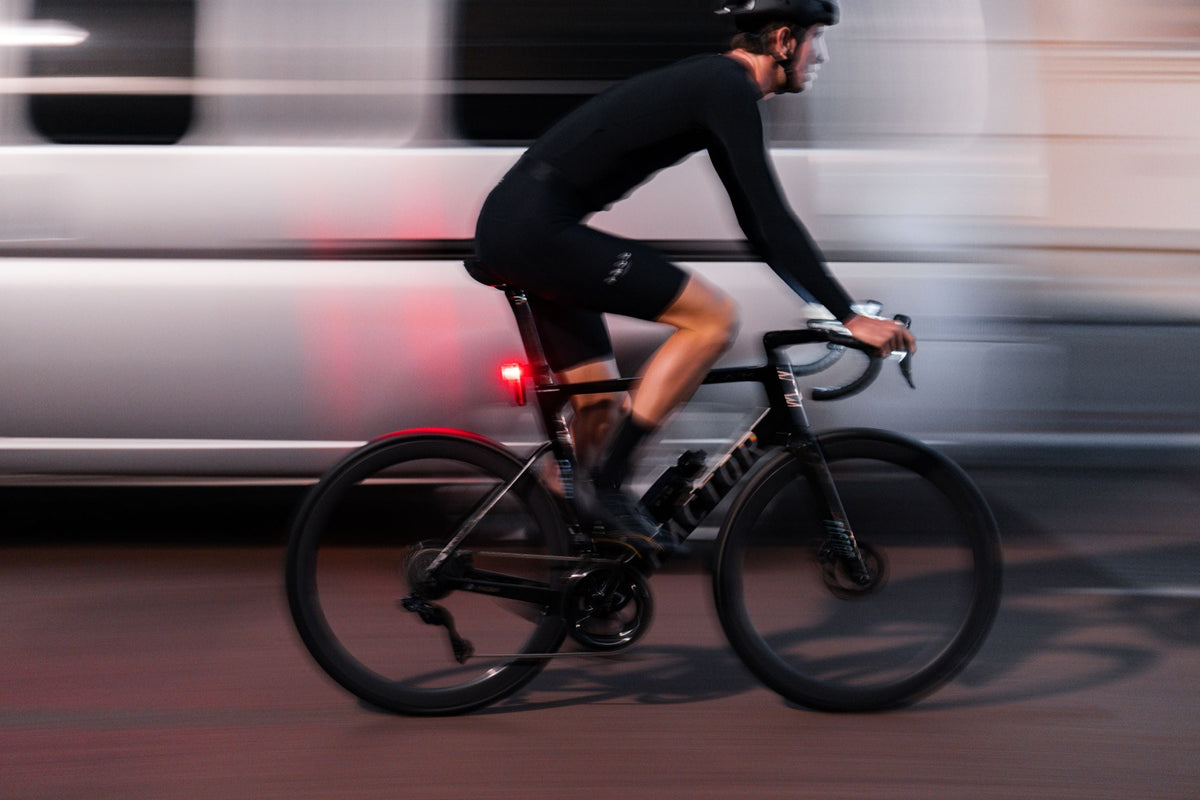
The best bike light set is the one that fits how, where, and when you ride. Maximum brightness alone does not tell you whether a front-and-rear setup will work well on your bike.
A useful set should provide appropriate forward illumination, effective rear visibility, enough runtime for your normal rides, and mounting that works with your existing equipment.

What Is a Bike Light Set?
A bike light set packages a front light and a rear light together.
The front light supports forward illumination and front-facing visibility, while the rear light helps make the cyclist noticeable from behind.
Buying them as a set can simplify purchasing when you need both positions covered. However, charging systems, controls, mounts, and operating modes depend on the individual products included.
Riders looking for front-and-rear options can browse RAVEMEN's bike light sets.
What to Look for in a Front Bike Light
For the front light, focus on how effectively it puts usable light on the road rather than judging it only by maximum output.
Brightness and Lumen Output
Lumens describe light output, but the right amount depends on your riding environment.
On well-lit urban streets, existing street lighting may provide much of the ambient illumination. On darker roads, stronger forward lighting can help reveal road surfaces, turns, debris, and other hazards earlier.
Riding speed also matters. Higher speeds generally reduce the time available to react to what appears ahead.
The practical question is not simply, “How many lumens does this light have?” but “Does its output suit the conditions in which I actually ride?”
Beam Pattern and Light Distribution
Beam pattern affects where the light goes.
A narrow beam concentrates illumination in a smaller area, while a broader pattern can provide more coverage across the road.
For commuting and road cycling, controlled optics can be particularly useful. A beam designed to limit unnecessary upward light can help reduce glare while directing more illumination toward the riding surface.
RAVEMEN's front bike lights provide examples of different front-light formats and mounting designs.
Mounting and Handlebar Space
A front light also has to fit your cockpit.
Check how the mount works with equipment such as:
-
bike computers
-
phone mounts
-
handlebar bags
-
bells
-
remote controls
Crowded handlebars can turn an otherwise suitable light into an awkward setup. Confirm available space and mounting position before buying.
What to Look for in a Rear Bike Light
For the rear light, visibility and placement matter more than simply chasing the highest output number.
Rear and Side Visibility
Traffic can approach from different angles, especially at intersections, curves, and junctions.
Consider how the light distributes its output and whether the lens remains visible from useful viewing angles.
Placement matters as well. Saddle bags, clothing, rear racks, or other accessories should not obstruct the light.
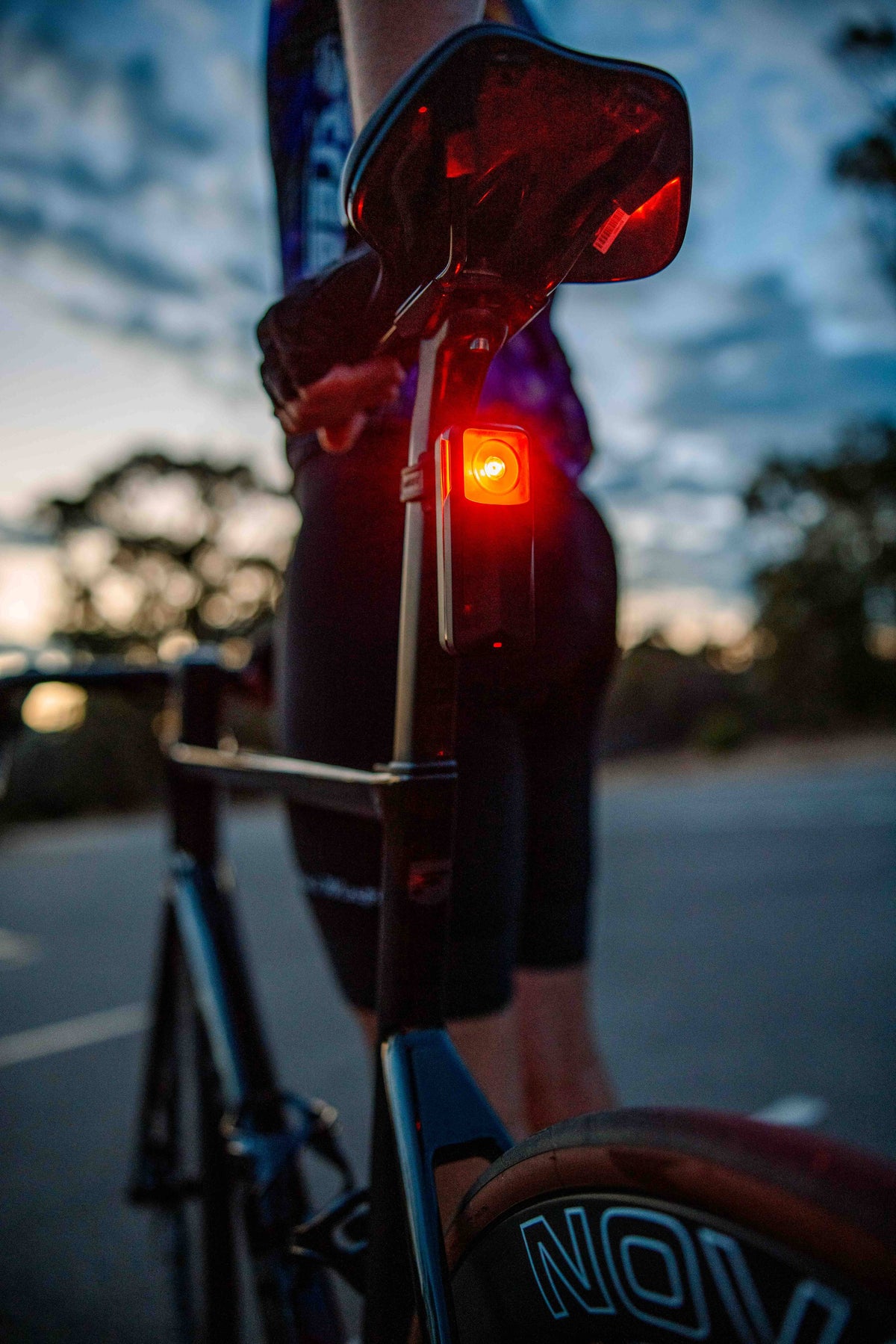
RAVEMEN's bike tail lights show a range of rear-light formats for different mounting setups.
Steady and Flashing Modes
Available lighting modes can help riders adapt the rear light to different conditions.
A steady mode provides continuous illumination, while flashing or pulsing modes create a changing visual signal.
Mode options vary by product, so consider which settings are useful for your typical daytime and nighttime riding rather than assuming more modes automatically make a light better.
Rear Mounting
Check where the light will sit on your bike and whether the supplied mount fits that location securely.
Useful questions include:
-
Does it fit the intended seatpost or rear mounting point?
-
Will a saddle bag block it?
-
Does a rear rack interfere with placement?
-
Can it remain stable over rough pavement?
For more information about mounting considerations, see RAVEMEN's guide to bike light mounting and compatibility.

What Makes the Best Bike Light Set for Your Riding?
The word “best” depends on the riding environment. A setup that works well for a city commute may not have the same priorities as one used on dark rural roads.
Commuting
For commuting, practical daily use is often as important as maximum output.
Consider:
-
sufficient illumination for the route
-
rear visibility in traffic
-
runtime for regular trips
-
convenient charging
-
mounts that work around bags and accessories
-
suitable modes for daytime and nighttime use
A rider on consistently illuminated streets may prioritize convenience and visibility, while a commute that includes darker roads may require stronger forward lighting.
Road Cycling
For road cycling, useful beam coverage, rear visibility, runtime, and secure mounting all matter.
Longer rides can make battery management more important, while crowded handlebars may make mounting compatibility a bigger consideration.
The right set should match the roads you use and the duration of your rides rather than simply offering the highest headline specification.
Dark or Unlit Roads
On roads with little ambient lighting, front-light performance becomes more important.
Pay attention to:
-
beam distribution
-
usable forward illumination
-
expected runtime in the modes you plan to use
-
how the light performs when moving between lit and unlit areas
The rear light still matters, so avoid evaluating the set entirely around the front light.
Battery Runtime and Charging
Runtime should be evaluated against your normal ride length.
A light may offer several modes with different operating times, so the most useful figure is the runtime for the setting you are likely to use—not necessarily the maximum advertised runtime.
Consider:
-
typical ride duration
-
how often you can recharge
-
which lighting modes you expect to use
-
whether both lights require separate charging routines
Rechargeable lights can be convenient for regular use, but charging interfaces and requirements vary by product.
Weather Resistance and Mounting Compatibility
If you ride in rain or wet conditions, review the manufacturer's stated water-resistance information for both lights.
Mounting should also be checked before purchase. Make sure the front and rear units:
-
fit their intended mounting locations
-
remain unobstructed
-
can be securely attached
-
allow the front beam to be aimed correctly
These practical details can have a greater effect on everyday usability than an additional mode or headline specification.
Common Mistakes When Choosing a Bike Light Set
Choosing by Maximum Lumens Alone
A higher lumen figure does not automatically mean a better front light.
Beam pattern, runtime, riding speed, and ambient lighting all affect how useful that output will be.
Ignoring Beam Pattern
Brightness matters, but light distribution determines where that brightness ends up.
A well-controlled beam can provide more useful illumination than a poorly distributed beam with a higher output figure.
Treating the Rear Light as an Afterthought
The front light often gets most of the attention, but rear visibility is a core part of a complete bike light set.
Consider viewing angle, available modes, placement, and whether the light remains unobstructed.
Forgetting About Mounting Space
Before buying, check the actual space available on the handlebar, seatpost, or other intended mounting points.
Bike computers, bags, racks, bells, and other accessories can affect where the lights can be installed.
Comparing Maximum Runtime Instead of Useful Runtime
Maximum runtime may refer to a low-output mode that you do not plan to use.
Compare the expected runtime of the modes that fit your normal riding conditions.
Conclusion
Choosing the best bike light set starts with your riding environment, not a single specification.
For the front light, evaluate useful brightness, beam pattern, runtime, and mounting. For the rear light, focus on visibility, operating modes, placement, and battery performance.
A well-chosen front-and-rear setup should fit your bike, your route, and the length of your rides without relying on unnecessary features or headline numbers that do not match how you actually ride.
Frequently Asked Questions About Bike Light Sets
Is it better to buy a bike light set or separate front and rear lights?
Either can work.
A set can simplify purchasing when you need both lights at once. Buying them separately may offer more flexibility if you have very specific requirements for the front and rear positions.
How many lumens should a bike light have?
There is no single lumen number that suits every ride.
Useful output depends on ambient lighting, riding speed, road conditions, beam pattern, and how the light will be used.
Do I need both front and rear bike lights?
They serve different purposes: the front light supports forward illumination and front-facing visibility, while the rear light helps make the cyclist noticeable from behind.
Legal requirements vary by location, so riders should also check applicable local regulations.
Are rechargeable bike light sets better?
Rechargeable lights can be convenient for regular use, but they are not automatically the right choice for every rider.
Consider runtime, charging access, available modes, and how often you use the lights.

Αφήστε ένα σχόλιο
Όλα τα σχόλια ελέγχονται πριν δημοσιευθούν.
Αυτή η τοποθεσία προστατεύεται από το hCAPTCHA και ισχύουν η Πολιτική απορρήτου και οι Όροι Παροχής Υπηρεσιών του hCaptcha.