

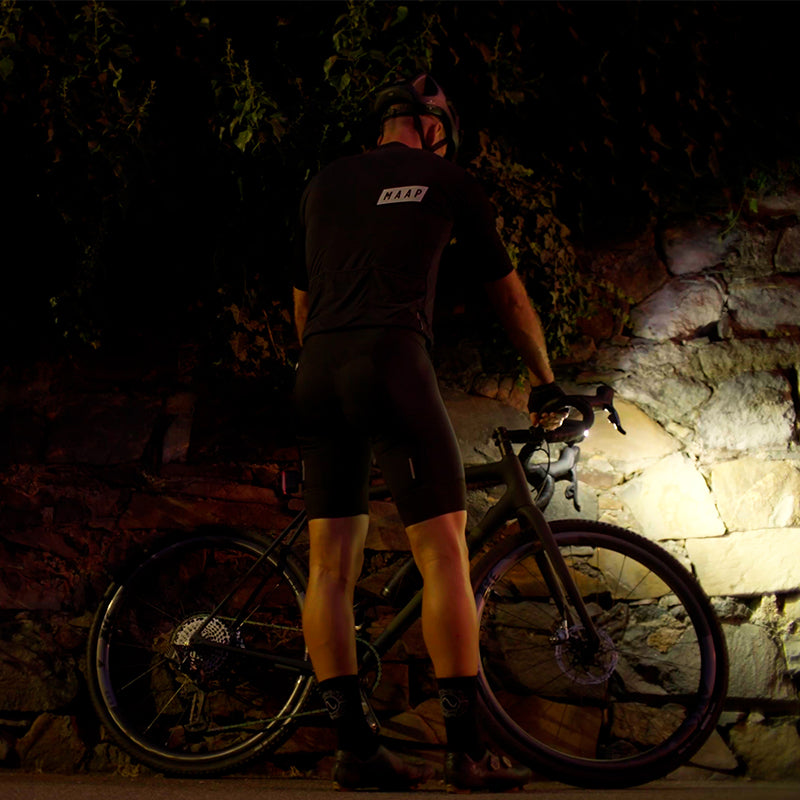
Bike Daytime Running Lights: Modes, Mounting & Use
Daytime riding does not always mean good visibility. Direct sunlight, vehicle traffic, shadows, and changing road conditions can make cyclists harder to notice.
That is why choosing bike daytime running lights is not simply about finding the highest lumen output. The right mode, brightness, and mounting position, all affect how effectively a light makes a cyclist visible. The best setup also depends on where and when you ride.

How to Choose the Right Daytime Light Mode
For daytime riding, the purpose of a front or rear light is to make the cyclist easier to notice in the surrounding environment. The best mode depends on how bright the surroundings are, how much traffic is present, and whether the rider is moving between open and shaded areas.
Match the Mode to the Riding Situation
A flashing or pulsing mode can create a stronger visual signal than a steady light in bright daytime conditions. Instead of using the same setting for every ride, choose a mode based on the environment:
Flashing bike lights can be particularly useful when the surroundings are bright or visually busy. A changing light pattern can help distinguish a cyclist from static objects and make the bike easier for other road users to notice.
Adjust the Mode as Daytime Conditions Change
Daylight conditions can change significantly during the same ride. A cyclist may start on a bright open road, enter a shaded section, and then return to direct sunlight. Rather than choosing a mode based only on the time of day, adjust it according to the environment around you.
For example, use a noticeable flashing mode on a bright road with vehicle traffic. When entering a tree-covered section, keep a consistent visibility mode so the cyclist remains noticeable against darker surroundings. In overcast or backlit conditions, choose a mode that provides stronger visual contrast.
The key is to choose a mode that matches the visibility challenge of the moment, rather than simply selecting the highest output.
How Many Lumens Do You Need for Daytime Riding?
When choosing bike daytime running lights, lumens are one of the easiest specifications to compare, but riders still need a practical range to know what is enough. For daytime visibility, you usually don't need the same output used to illuminate a dark road.
As a general buying guide, consider these ranges:
| Daytime riding situation | Suggested front-light output |
| Everyday commuting and road cycling | 200-500 lumens |
| Bright sunlight and open roads | 500-1000 lumens |
| Heavy traffic or maximum daytime conspicuity | 1000-1500 lumens |
| Multi-purpose light for day and night | 1500+ lumens |
Daytime Running Lights vs. Nighttime Bike Lights
The primary purpose of a daytime running light is visibility, not road illumination. During the day, a rider generally does not need a powerful beam to see the pavement. Instead, light needs to attract attention to a bright and visually busy background.
At night, the priorities change. A front light needs to illuminate the road, reveal obstacles, and provide enough distance for the rider to react. For well-lit urban roads, around 1000+ lumens may be sufficient, while unlit roads generally call for a stronger output of around 1500-2000 lumens. Beam pattern, projection distance, and sustained output also become more important than they are for daytime visibility.
For riders who regularly switch between daytime training and night riding, choosing a light that handles both situations can be more practical than carrying separate lights.
How to Use Front and Rear Lights Together
A complete daytime setup should consider both directions of traffic.
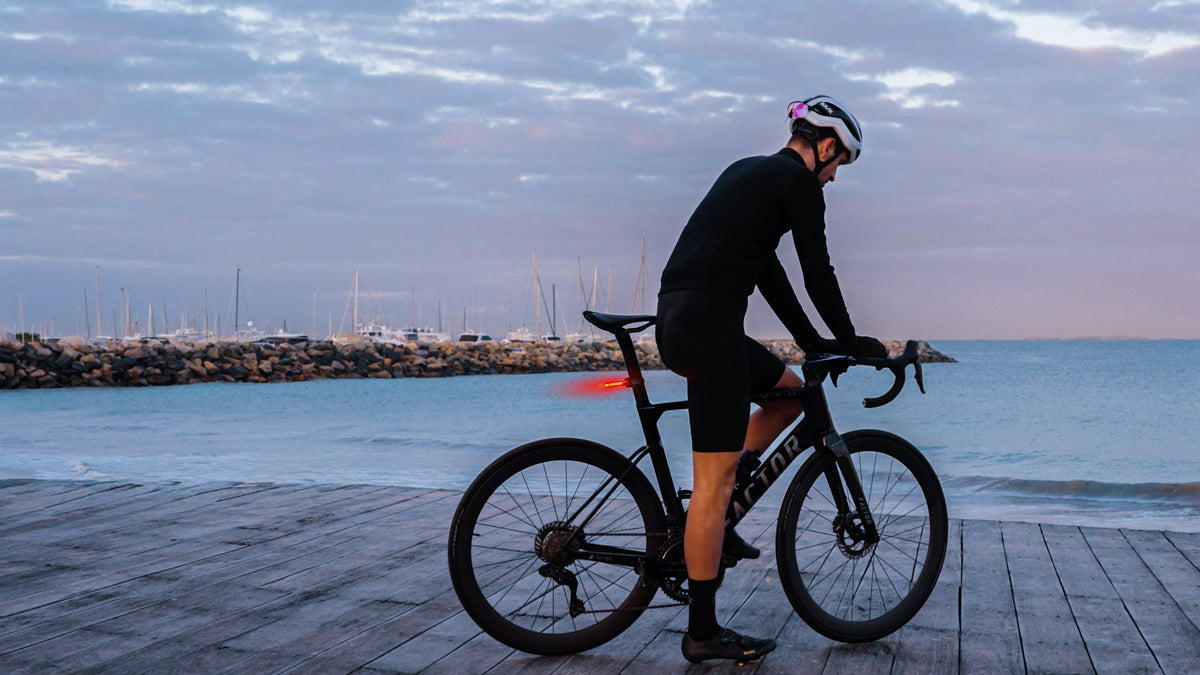
Use a front daytime running light to make the bike more noticeable to approaching vehicles and other road users. Pair it with a rear light so the rider remains visible from behind.
The two lights do not necessarily need to use identical patterns. The front light can use a daytime warning flash, while the rear light uses its own visibility or brake-related mode.
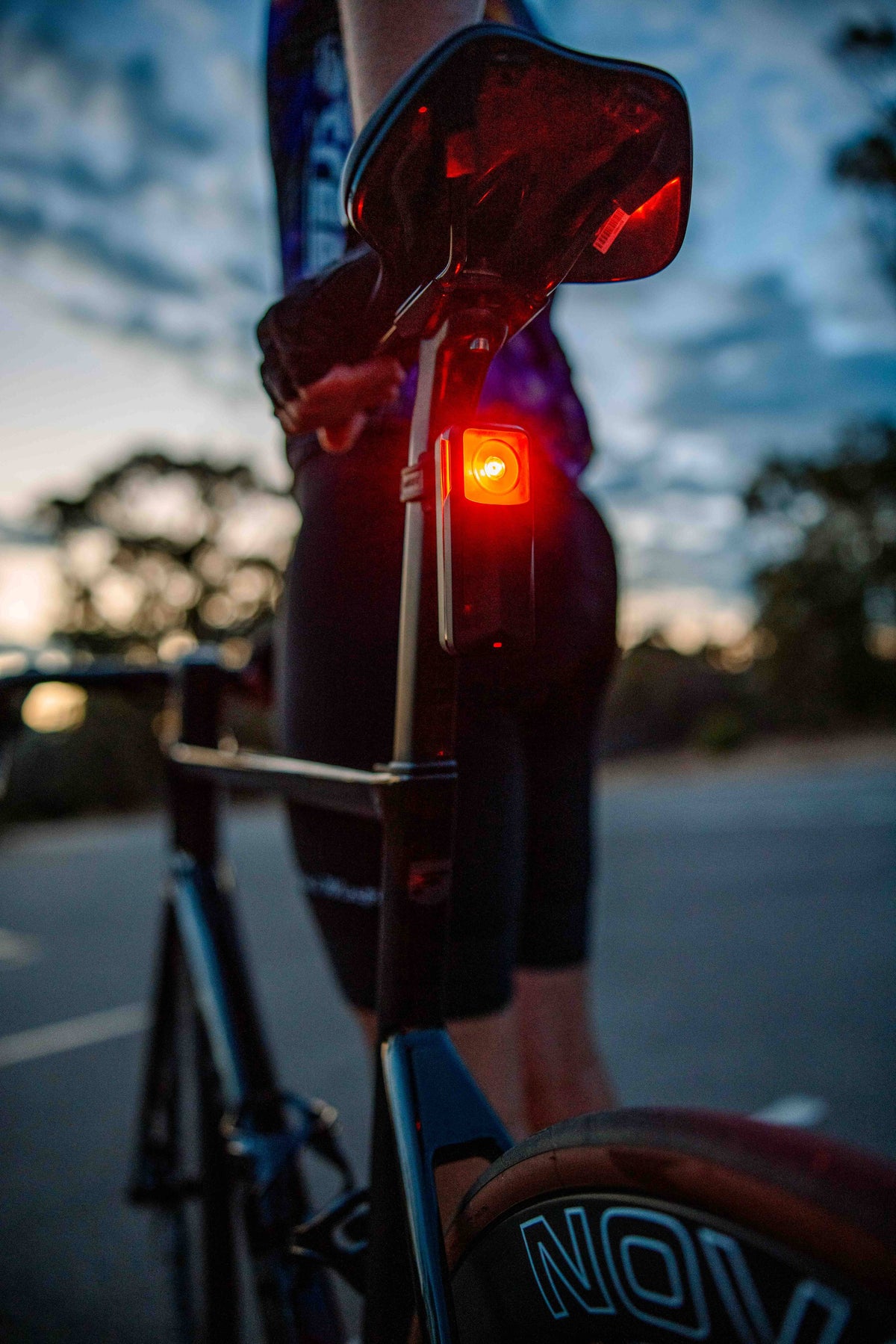
Smart rear lights can add another layer of awareness. For example, the NT401 automatically increases brightness when braking and turns on when movement is detected after being stationary. It supports both seatpost and saddle-rail mounting.
For cyclists building a complete setup, Ravemen's road bike lights collection includes front lights designed for different riding conditions and visibility needs.
Mount the Front and Rear Lights Where They Can Be Seen

Mounting position directly affects how effectively a light communicates a rider's presence.
The front light should be positioned securely on the handlebar or an appropriate integrated mount, facing forward. Avoid mounting it at an angle that directs the light toward the ground or away from approaching traffic.
For road cyclists using a bike computer, an integrated mount can help keep the front light visible without taking up additional handlebar space. The Ravemen FR1500 Garmin-compatible front bike light, for example, uses an integrated bike computer stacking design that places the light below the computer and supports Garmin-style mounting bases. It also combines a 1500-lumen night illumination mode with multiple daytime warning flash modes, making it suitable for riders who need one front light for both daytime visibility and nighttime riding.
The road bike rear light should be positioned where it remains clearly visible from behind. A seat post or saddle-rail position can work well, depending on the frame and saddle configuration.
When Should You Use Daytime Running Lights?
Daytime lights should complement, rather than replace, other bicycle safety lights and visibility practices. Correct mounting, predictable riding behavior, and choosing a suitable lighting mode all contribute to being noticed on the road.
Choose a noticeable mode, mount the light where it can be clearly seen, and adjust the setting as the environment changes. With the right combination of front and rear lighting, cyclists can maintain consistent visibility without unnecessarily sacrificing battery life.

Lasă un comentariu
Toate comentariile sunt moderate înainte de a fi publicate.
Acest site este protejat de hCaptcha și hCaptcha. Se aplică Politica de confidențialitate și Condițiile de furnizare a serviciului.