

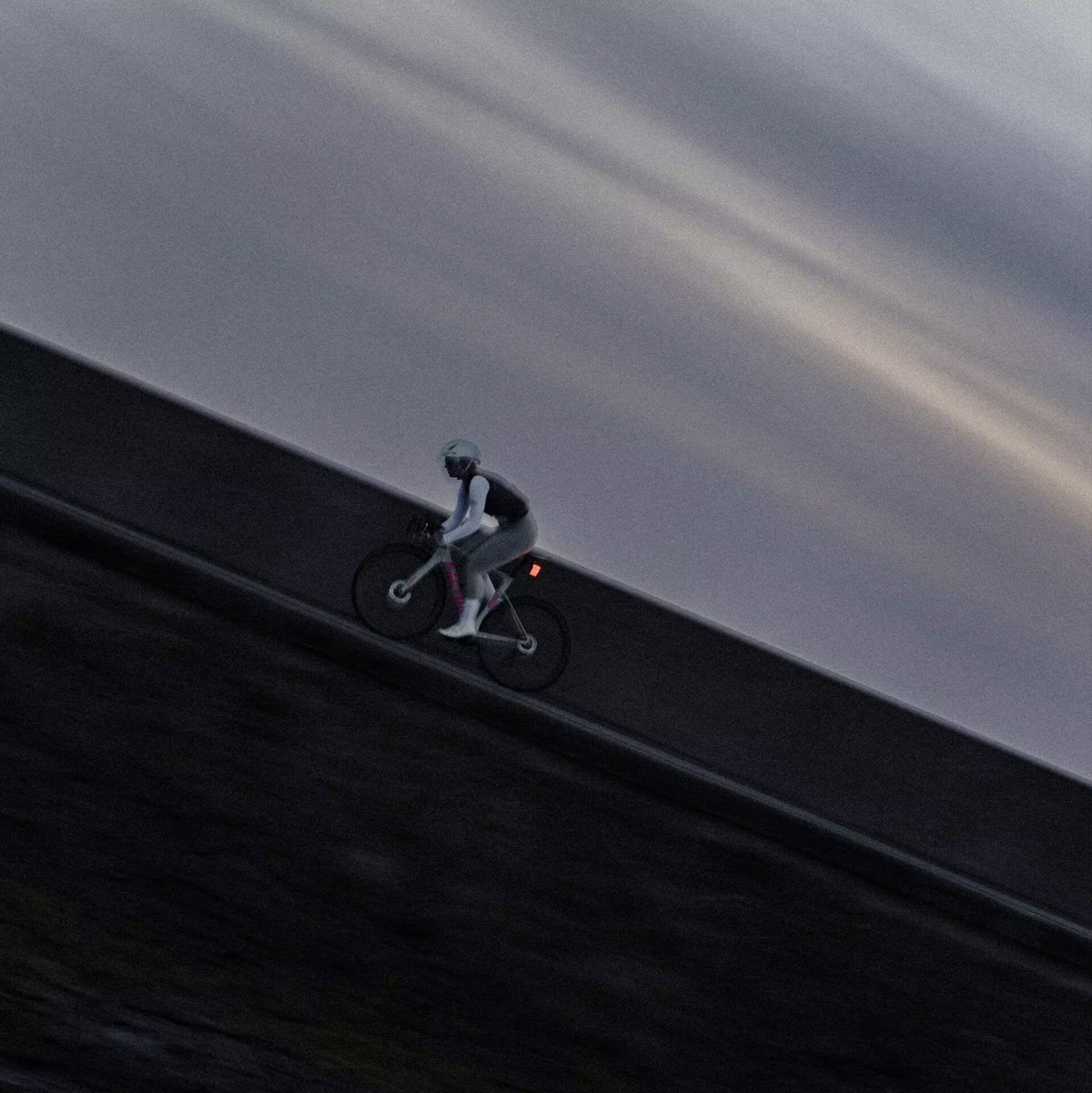
For many cyclists, commuting starts before sunrise or ends after sunset. You may ride through busy city streets, poorly lit bike lanes, rainy intersections, or quiet suburban roads where visibility becomes the biggest safety concern. In these situations, a reliable bike light is not just an accessory — it is an essential part of your daily riding setup.
Choosing the best bike lights for commuting means finding the right balance between brightness, beam pattern, battery life, convenience, and visibility. Whether you are searching for the best bike headlight to illuminate your route or the best rear bike light to make yourself visible from behind, this guide explains what really matters for everyday cycling.

Why Bike Lights Matter for Everyday Commuting
A common misconception is that bike lights are only necessary when riding in complete darkness. In reality, many cycling accidents happen during dawn, dusk, cloudy weather, or busy traffic conditions when visibility is reduced.
Imagine a typical weekday commute. You leave home at 6:30 a.m. The sun has not fully risen, and cars are turning through intersections while drivers are still adjusting to the low light. A best bike headlight helps you see road hazards such as potholes, uneven pavement, and debris, while a rear bike light helps approaching vehicles recognize your position earlier.
What Makes the Best Bike Lights for Commuting?
The best bike lights for commuting are not simply the brightest lights. A good commuting light should match your daily riding needs and help you stay safe in different situations, from busy city streets to dark roads on your way home.
When choosing bike lights for commuting, focus on four important things:
Enough Visibility for Your Daily Route
A commuting bike light should help you see and be seen. A front light should provide enough illumination to spot road conditions ahead, while a rear light should make it easier for drivers and other cyclists to notice you from behind.
If you mainly ride in areas with streetlights, a compact bike headlight with 1000 lumens may be enough. If you often ride on darker roads or early mornings, choose a stronger front light that can better illuminate your path, like one with above 1500 lumens.
Reliable Battery Life
A commuting light should be ready whenever you need it. Since many people ride the same route every day, a light with long battery life reduces the hassle of frequent charging. The best bike lights for commuting should last through your regular commute, provide a clear battery indicator, and allow you to quickly check whether it has enough power before leaving home.
Easy to Use Every Day
For commuters, convenience matters as much as performance. Look for features such as:
-
Simple controls that are easy to operate while riding
-
Quick and secure installation
-
Compatibility with your existing bike setup
-
Automatic on/off functions for extra convenience
Weather-Ready Design
Commuters often ride regardless of weather conditions, so a bike light should handle rain, road spray, and changing environments. A durable commuting light should have reliable water resistance and a strong housing design to provide consistent performance throughout the year.
After understanding these basic requirements, the next step is choosing the right front and rear lights based on your riding conditions.
How to Choose the Best Bike Headlight for Commuting
The main job of a front bike light is to help you see what is ahead and avoid hazards such as potholes, broken pavement, and road debris. When choosing a front light, first think about your typical commuting route.
Riding Mainly on Bright City Streets
If your commute takes place mostly on roads with streetlights, you do not need an extremely powerful headlight. Your main goal is to make sure drivers, pedestrians, and other cyclists can see you.
Look for a compact front light that offers:
-
A visible flashing mode during the day
-
Enough brightness for short dark sections
-
Easy charging and installation
A smaller light around the 500-lumen range is usually enough for this type of riding. For example, Ravemen FR500 provides 500 lumens, multiple daytime flash modes, and a compact design that works well for everyday urban commuting.
Riding on Dark Roads or Early Morning/Night Commutes
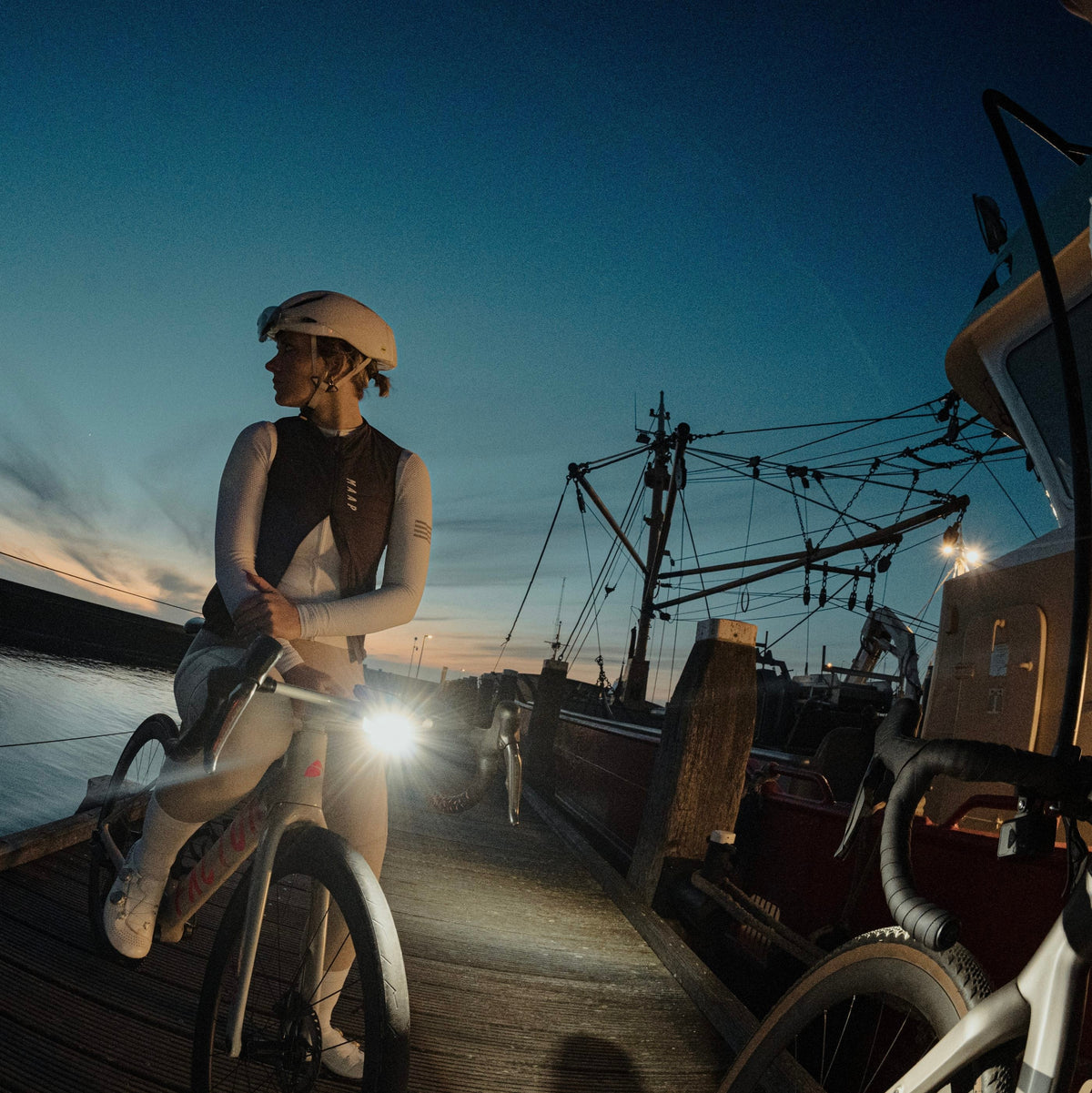
If you often ride before sunrise, after sunset, or on roads without enough street lighting, your front light needs to do more than help others notice you; it needs to clearly light your path. In this case, choose a brighter model that can illuminate farther ahead and provide a wider view of the road.
Ravemen FR1100 is designed for these situations with 1100 lumens, an upgraded lens for a more even beam pattern, and a maximum beam distance of up to 105 meters.
How to Choose the Best Rear Bike Light for Commuting
A rear bike light has a different purpose from a front light. It does not need to illuminate the road; its job is to make sure vehicles approaching from behind notice you as early as possible.
When choosing the best rear bike light, focus on visibility rather than brightness.
Choose a Light With Strong Flashing Modes
For commuting, a flashing rear light is often more effective than a constant light because movement naturally attracts attention. If you ride near heavy traffic, a rear light with an attention-grabbing flash pattern can help drivers recognize that you are a cyclist rather than a roadside object.
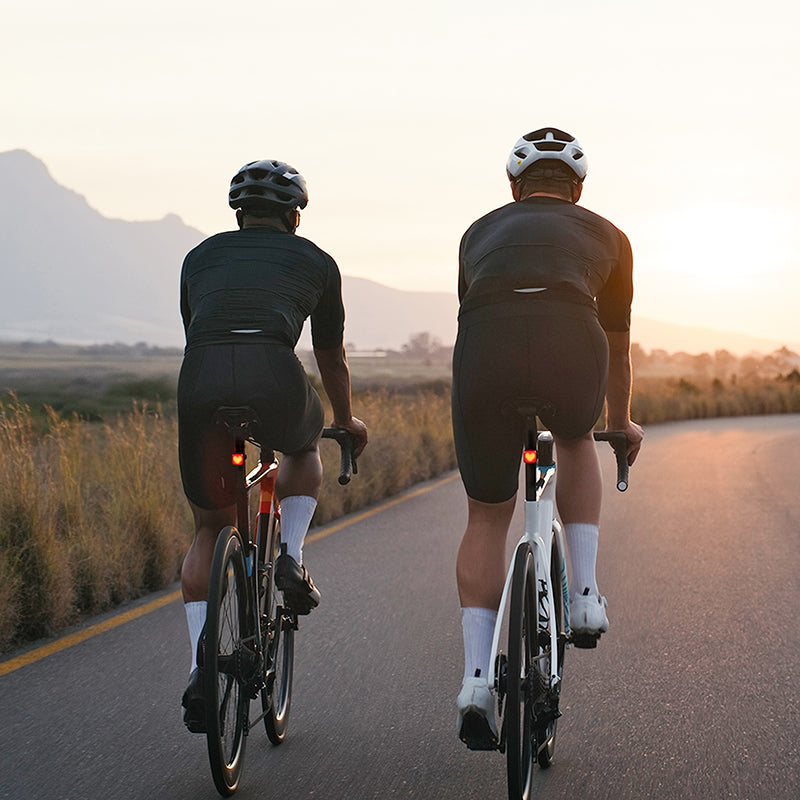
For daily commuters, the Ravemen CL01 is the best rear bike light choice. Its horizontally mounted elongated light strip produces a 30-lumen output with a 300° wide-angle beam, helping riders stay visible not only from directly behind but also from the side when riding through intersections or busy streets.
Safety features also make the CL01 more suitable for everyday riding. Its brake detection function automatically increases the rear light brightness for 2 seconds when braking, giving drivers behind you an additional warning and helping reduce the risk of rear-end collisions.

Extra Features That Make Commuting Easier
Once you have chosen the right brightness level, a few extra features can make daily riding much more convenient.
-
Battery Indicator: A battery indicator prevents unpleasant surprises, especially when you commute every day. Instead of guessing whether your light has enough power for the ride home, you can quickly check the remaining battery level.
-
Automatic On/Off: If you often rush out in the morning, an automatic function can make using your light effortless. Ravemen FR1100 and CL01 both feature smart auto on/off functions that turn the light off after inactivity and activate again when vibration is detected.
-
Weather Protection: Since commuting happens in all kinds of weather, choose a light that can handle rain and road spray. Ravemen FR1100 features an IPX4 water-resistant design, and CL01 provides an IPX6. All are suitable for all-weather cycling.
Final Thoughts: Finding the Right Bike Lights for Your Daily Ride
The best bike lights for commuting are not necessarily the brightest ones, but the ones that make you visible and confident. For daytime commuters, this means moving away from a "single-light" setup. A reliable front light, paired with a high-visibility flashing rear light, creates the ultimate safety net for your daily ride.
The best bike lights for commuting do more than brighten your path, it gives you confidence every time you ride.
FAQ
How many lumens should a bicycle light be?
The ideal brightness for a bicycle light depends on where you ride and how much visibility you need. For city commuting with streetlights, a front light with 300-500 lumens is usually enough. For dark roads, suburban streets, or bike paths without enough lighting, choose a light with around 600–1,000 lumens. For off-road riding or mountain biking at night, a more powerful light with 1,000–1,500+ lumens is recommended.
For most everyday commuters, the best choice is not always the brightest bike light. A 500-lumen light works well for typical city rides, while riders who frequently commute in the dark should consider a brighter model with better road coverage.
Are flashing bike lights better?
For commuting, flashing bike lights are often a better choice for visibility, especially during daytime riding. A flashing light is easier for drivers and pedestrians to notice because the changing pattern naturally attracts attention.
The best setup for most commuters is a front light that provides a steady road-illuminating mode plus daytime flash modes, combined with a rear light that offers strong flashing visibility.
Do bike lights need to be white or red?
A front bike light should be white because it is designed to illuminate the road ahead and help other road users recognize that you are approaching from the front.
A rear bike light should be red because red lights are universally associated with the back of vehicles and help drivers understand your position and direction of travel.
Using the correct colors also makes it easier for drivers to quickly identify whether a cyclist is coming toward them or moving in the same direction. For everyday commuting, a white front light combined with a red rear light provides the clearest and safest visibility setup.

Lasă un comentariu
Toate comentariile sunt moderate înainte de a fi publicate.
Acest site este protejat de hCaptcha și hCaptcha. Se aplică Politica de confidențialitate și Condițiile de furnizare a serviciului.