


Dviračių žibintai
Sukurta kasdieniams vairuotojams. „RAVEMEN“ važiavimo žibintai sujungia kompaktišką dizainą, išmaniuosius jutiklius ir paprastą USB-C įkrovimą, kad kelionės mieste būtų be streso.
Filtrai
20 prekių

FR1100
Dėl galingo 1100 liumenų šviesos srauto, skirto važiavimui naktį, ir kelių dienos mirksėjimo režimų, FR1100 užtikri...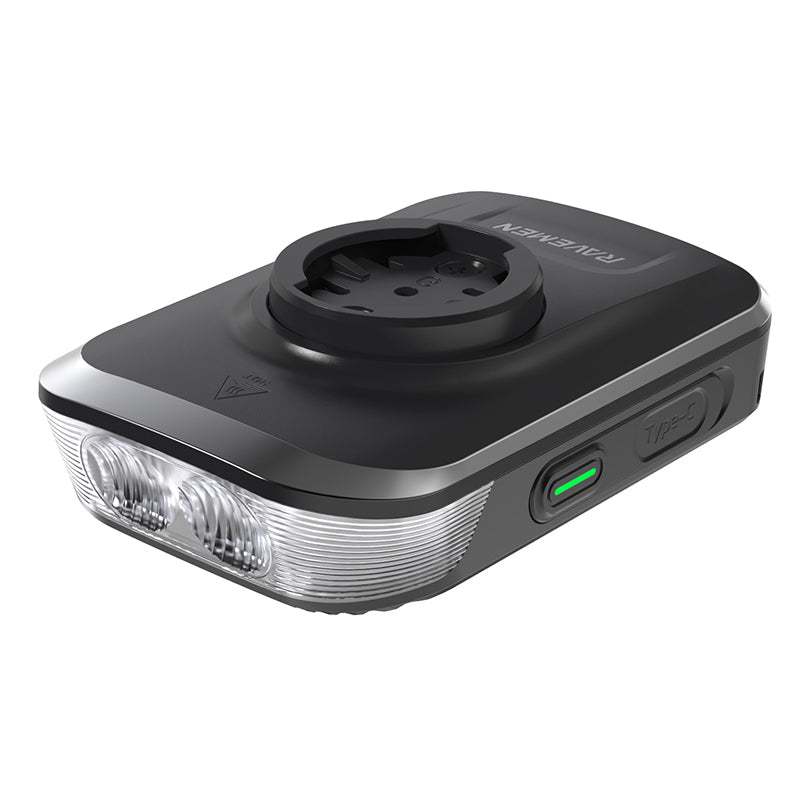
FR1500 dviračio priekinis žibintas
Dėl galingo 1500 liumenų šviesos srauto, skirto važiavimui naktį, ir kelių dienos mirksėjimo režimų, FR1500 užtikri...
UR1700
Dėl galingo 1700 liumenų šviesos srauto ir ribinės linijos dizaino UR1700 užtikrina aiškų matomumą neakinant artėja...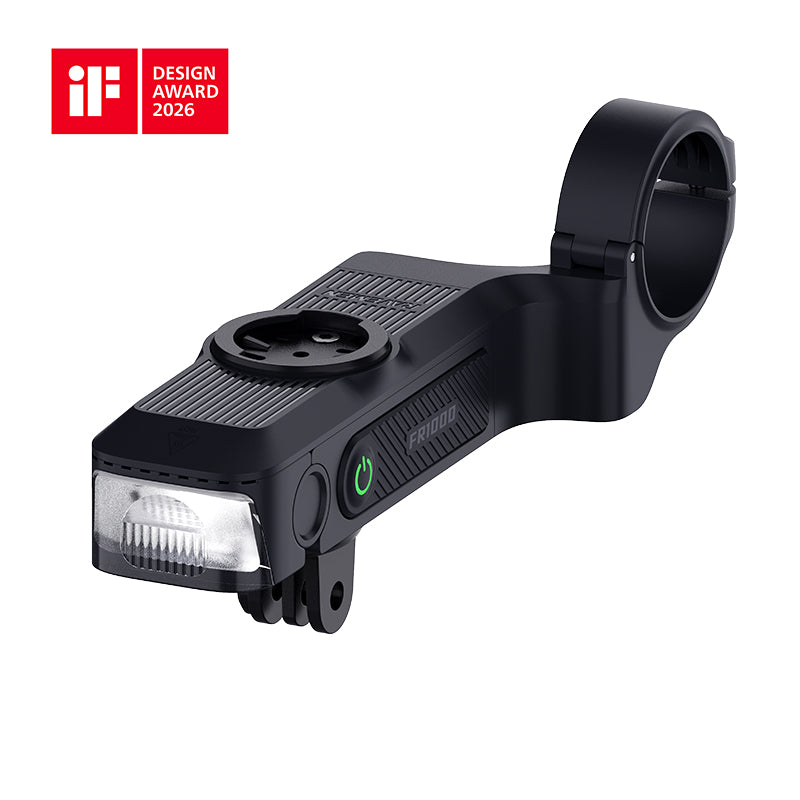
FR1000
Dėl galingo 1000 liumenų naktinio apšvietimo ir geresnio matomumo dieną, FR1000 užtikrina jūsų saugumą visą parą. D...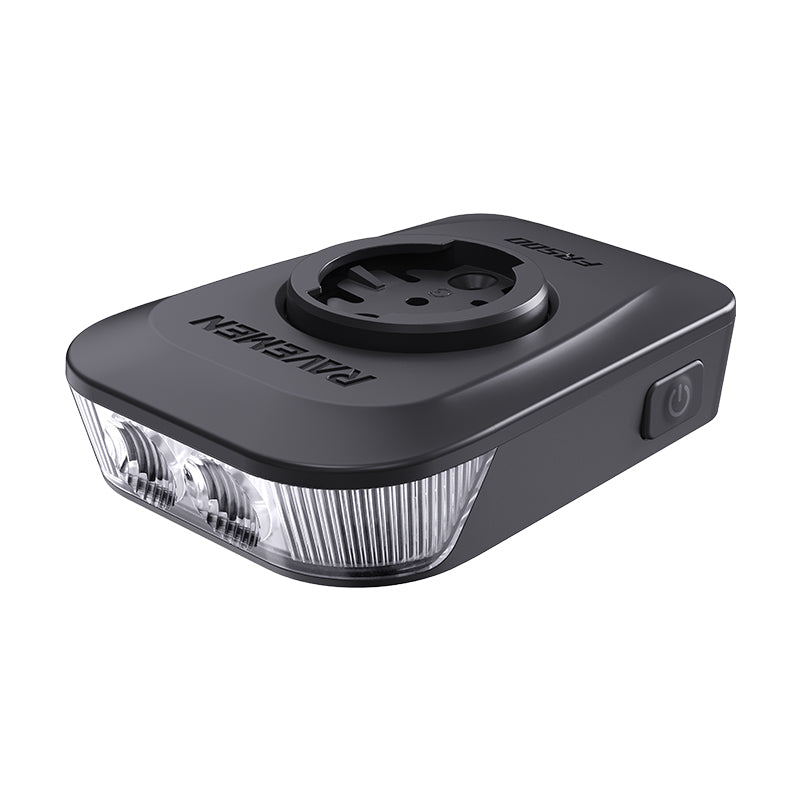
FR500
Dėl 500 liumenų ryškaus naktinio apšvietimo ir kelių dienos mirksėjimo režimų FR500 užtikrina, kad būtumėte matomi ...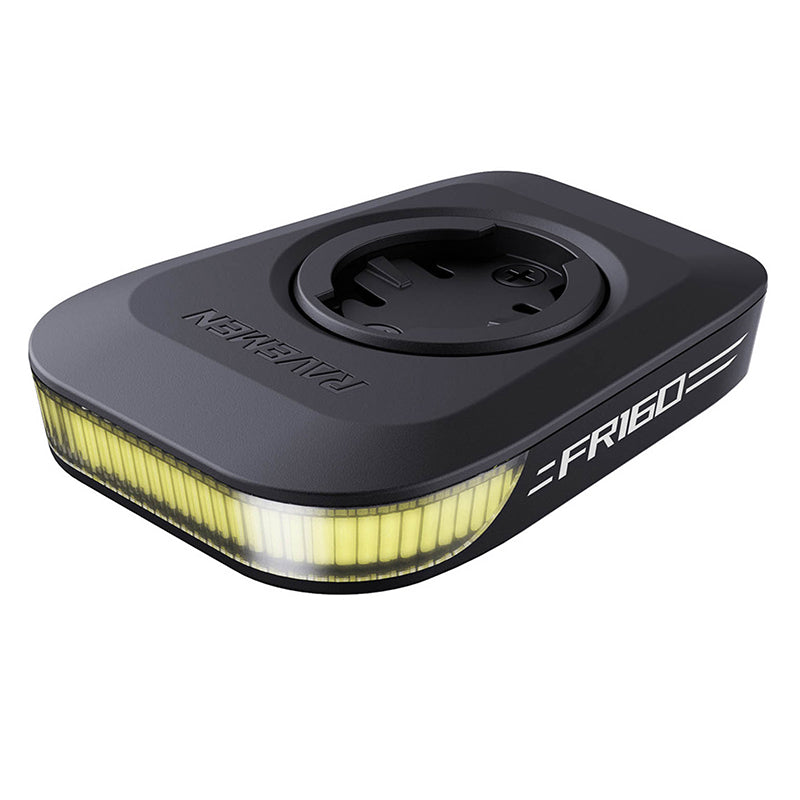
Fr160
FR160 yra lengvas ir paprastas naudoti dienos metu matomas dviračio priekinis žibintas. Su didelio efektyvumo COB š...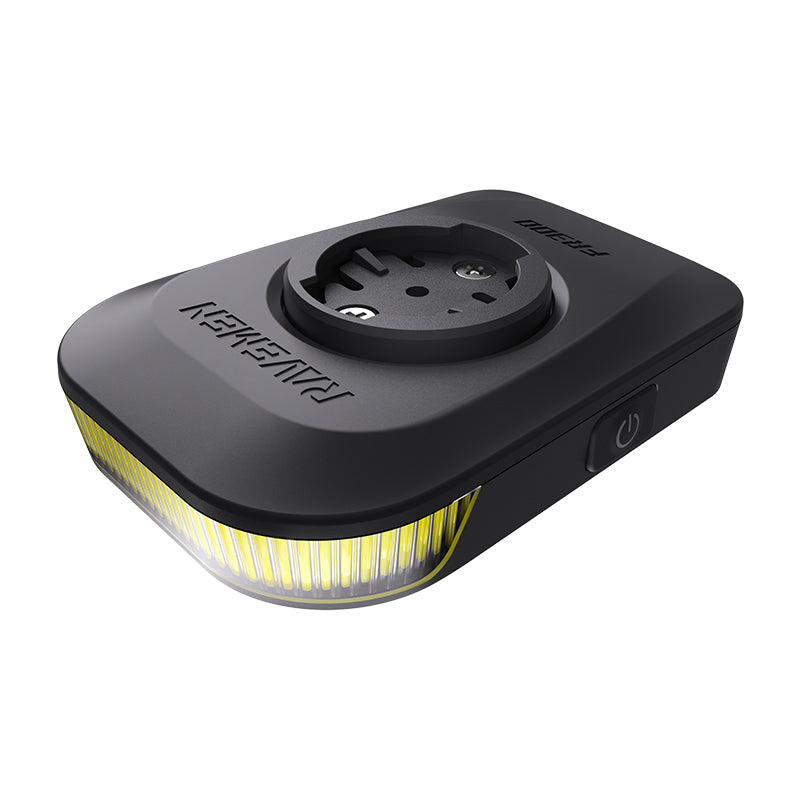
Fr300
FR300 yra gerai matomas dienos žibintas, padedantis saugiai važiuoti. Jis skleidžia 300 liumenų įspėjamuoju mirksin...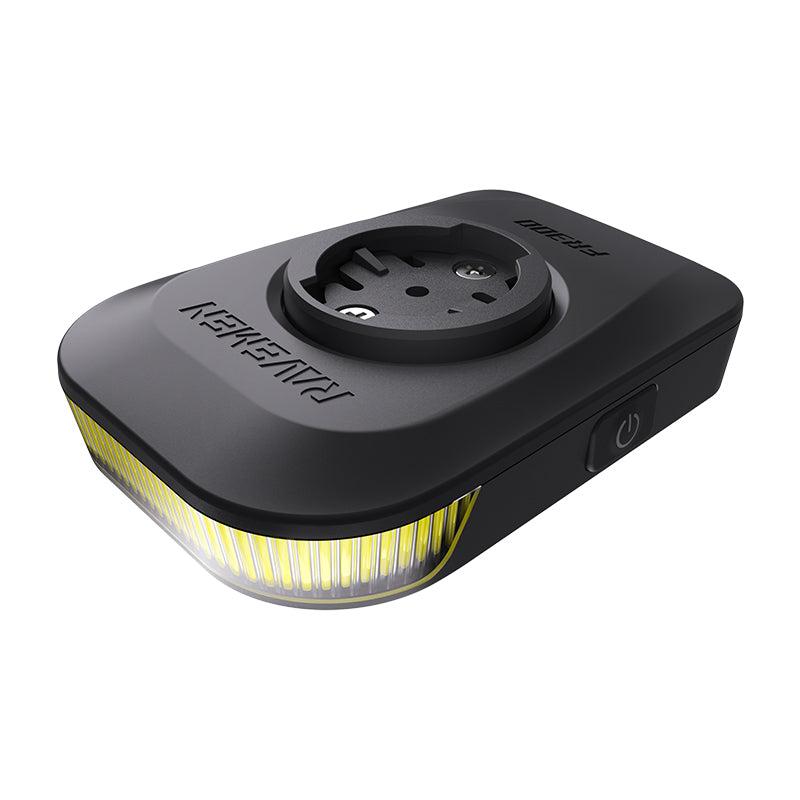
FR300 ANT+
Lyginant su standartiniu FR300, FR300 ANT+ versija jungiasi prie „Garmin“ dviračių kompiuterių per ANT+ technologij...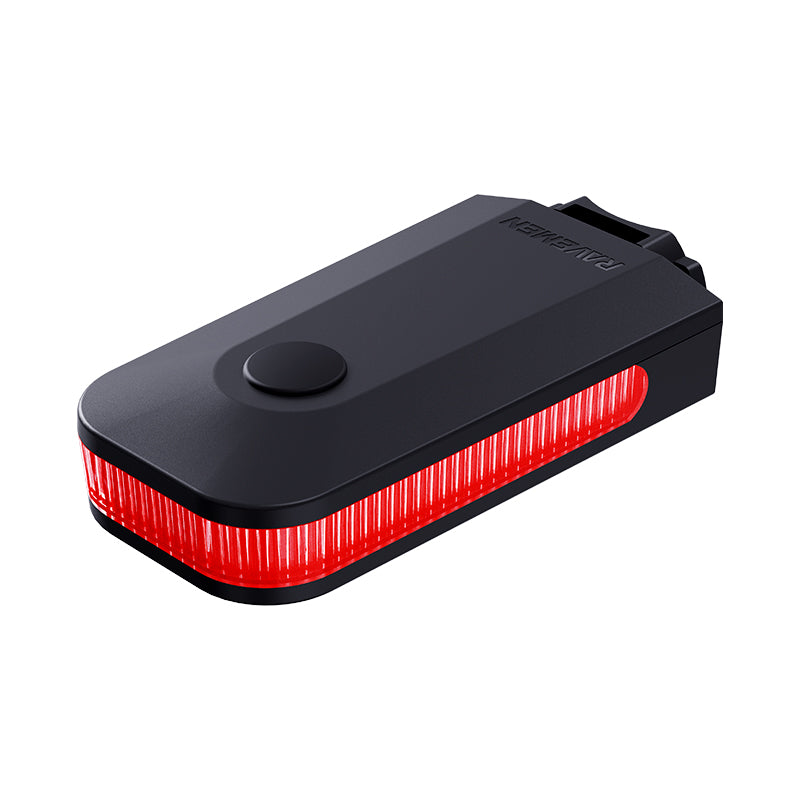
CL01
CL01:Suderinamas su ABM18 + ABM14Tinka standartiniai sėdynės bėgeliai CL01 Pro:Suderinamas su ABM25 + ABM14Tinka pl...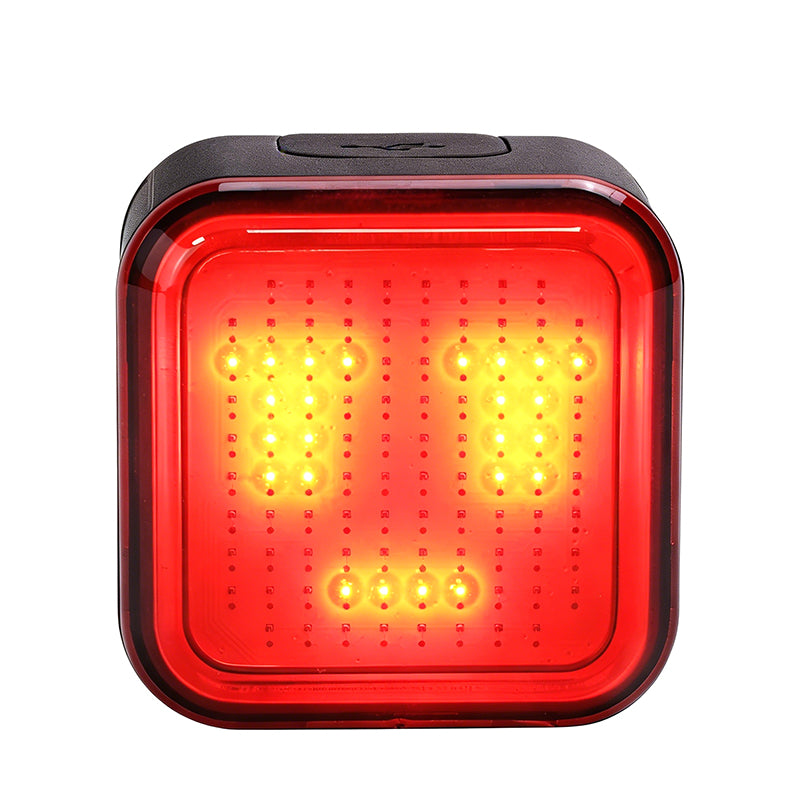
NT401
Suteikite savo važiavimui išraiškingumo su išmaniuoju galiniu žibintu NT401. Sukurkite pasirinktinius šviesos raštu...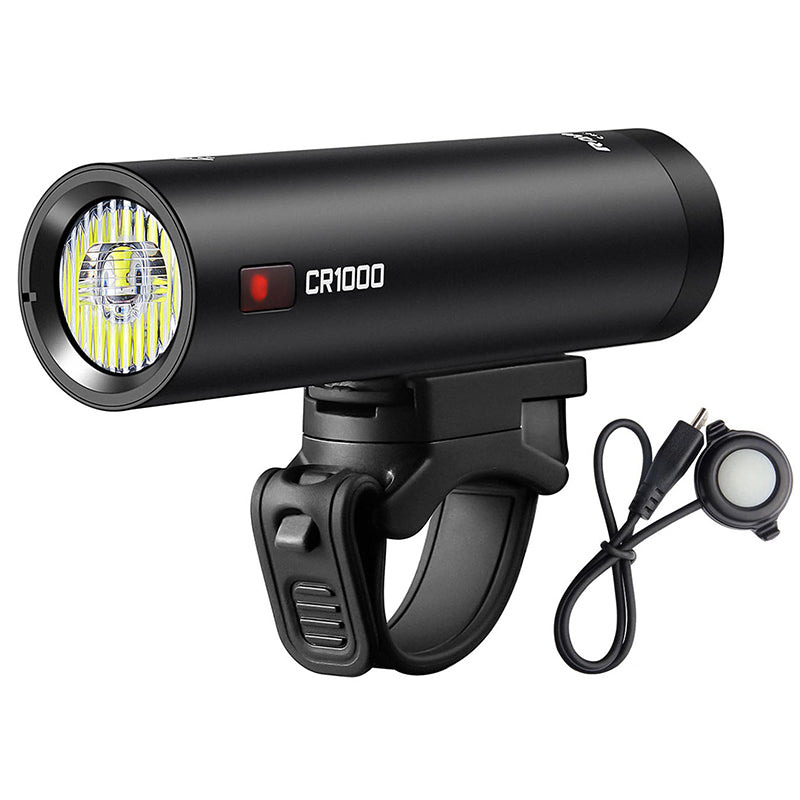
Cr1000
Su 4000mah didele baterija ir max 1000 liumenų, cr1000 yra skirtas kelių dviratininkams, kurie važiuoja naktį greit...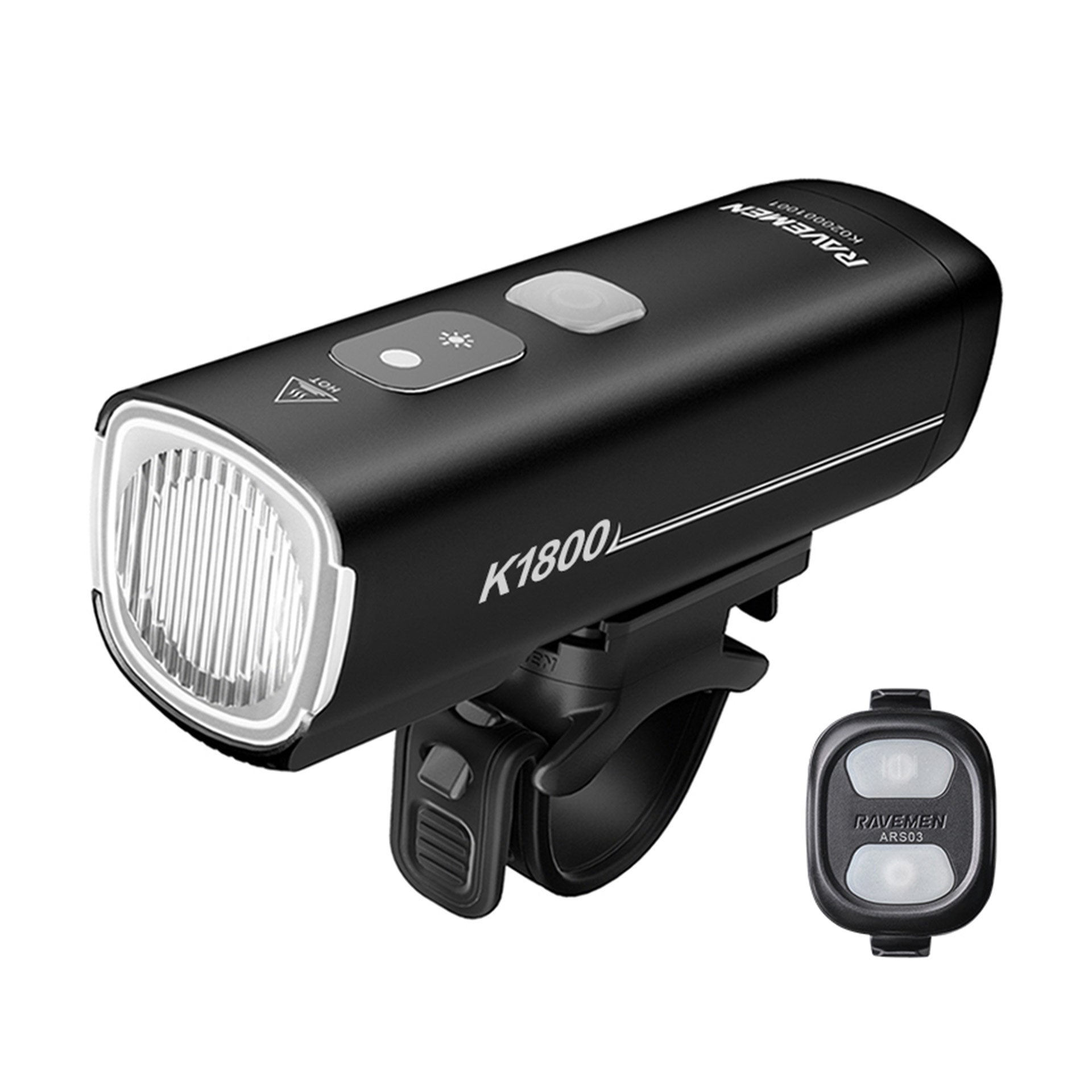
K1800
Dviratininkai, susipažinti su savo puikus važiavimo partneris. Aprėpkite savo protingo režimo patogumą be rankų ir ...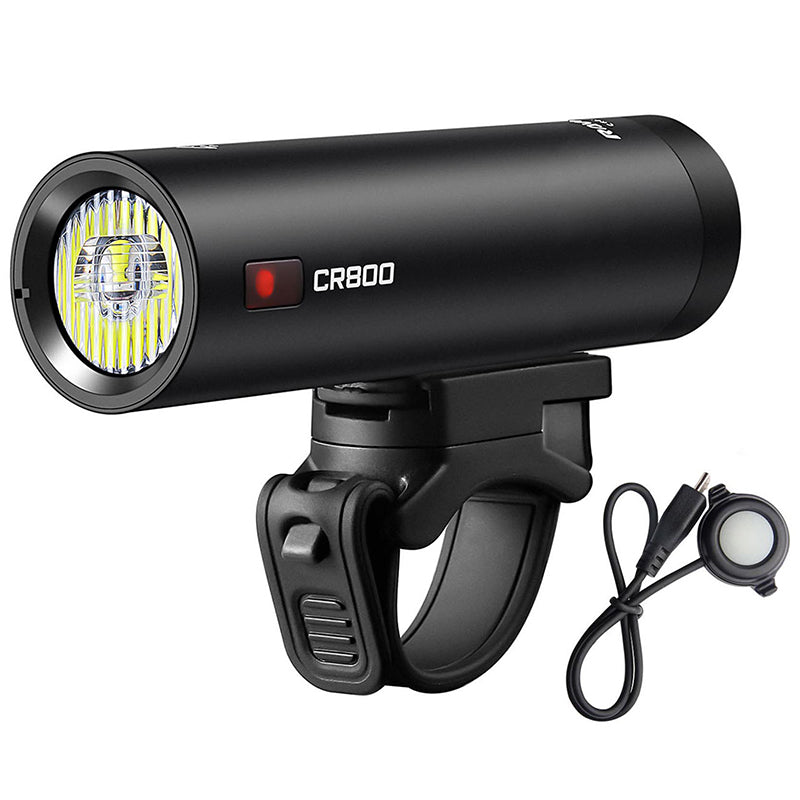
Cr800
Maksimalus 800 liumenų CR800 yra skirtas plento dviratininkams, kurie naktį važiuoja dideliu greičiu. Su nauju RAV...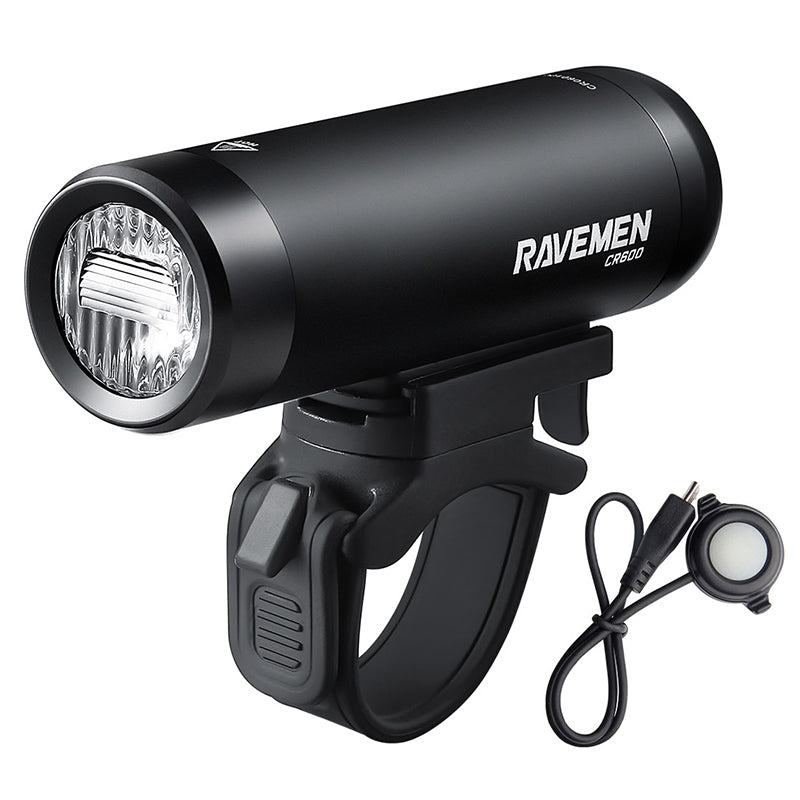
Cr600
Cr600 yra kompaktiškas priekinis žibintas, skirtas važiuoti miestais ir kasdien važiuoti kelionėmis. Su "ravemen" n...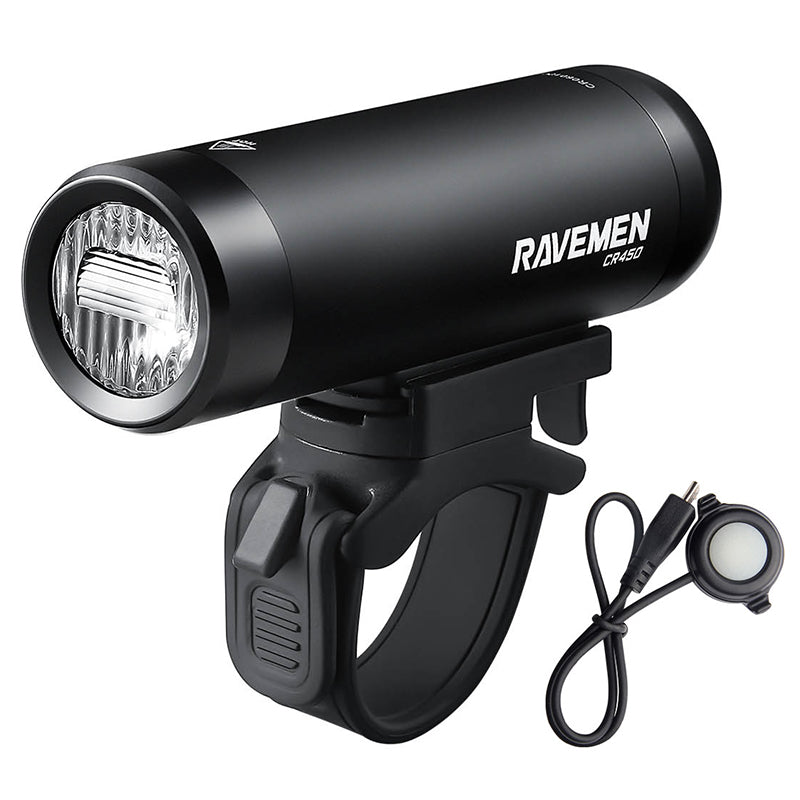
Cr450
„ Cr450 “yra kompaktiškas priekinis žibintas, skirtas važiuoti miestais ir kasdien važiuoti kelionėmis. Su "r...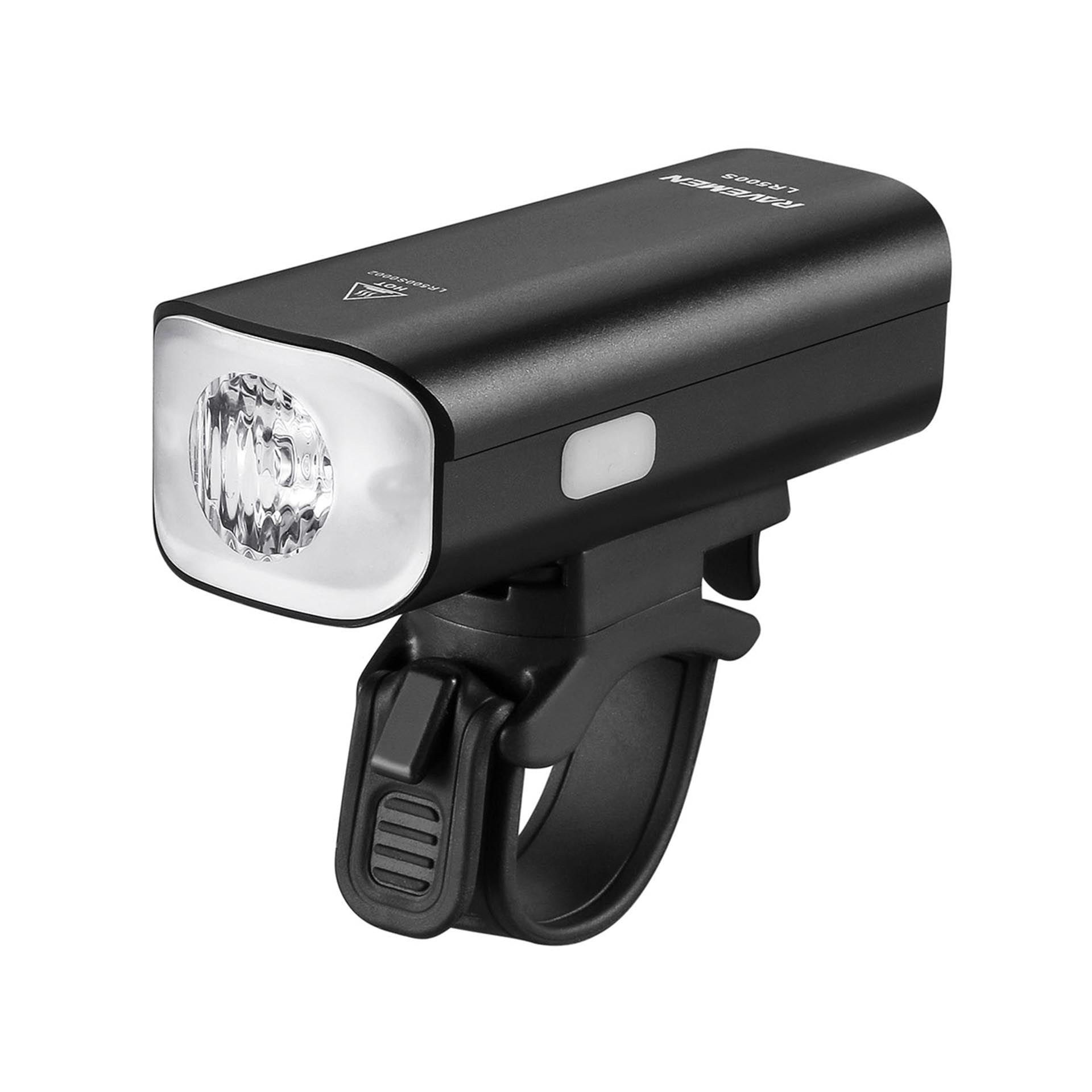
LR500
Dėl naujo išlenkto lęšio optinio dizaino LR500 skleidžia tolygiai paskirstytą šviesą ir užtikrina šoninį matomumą, ...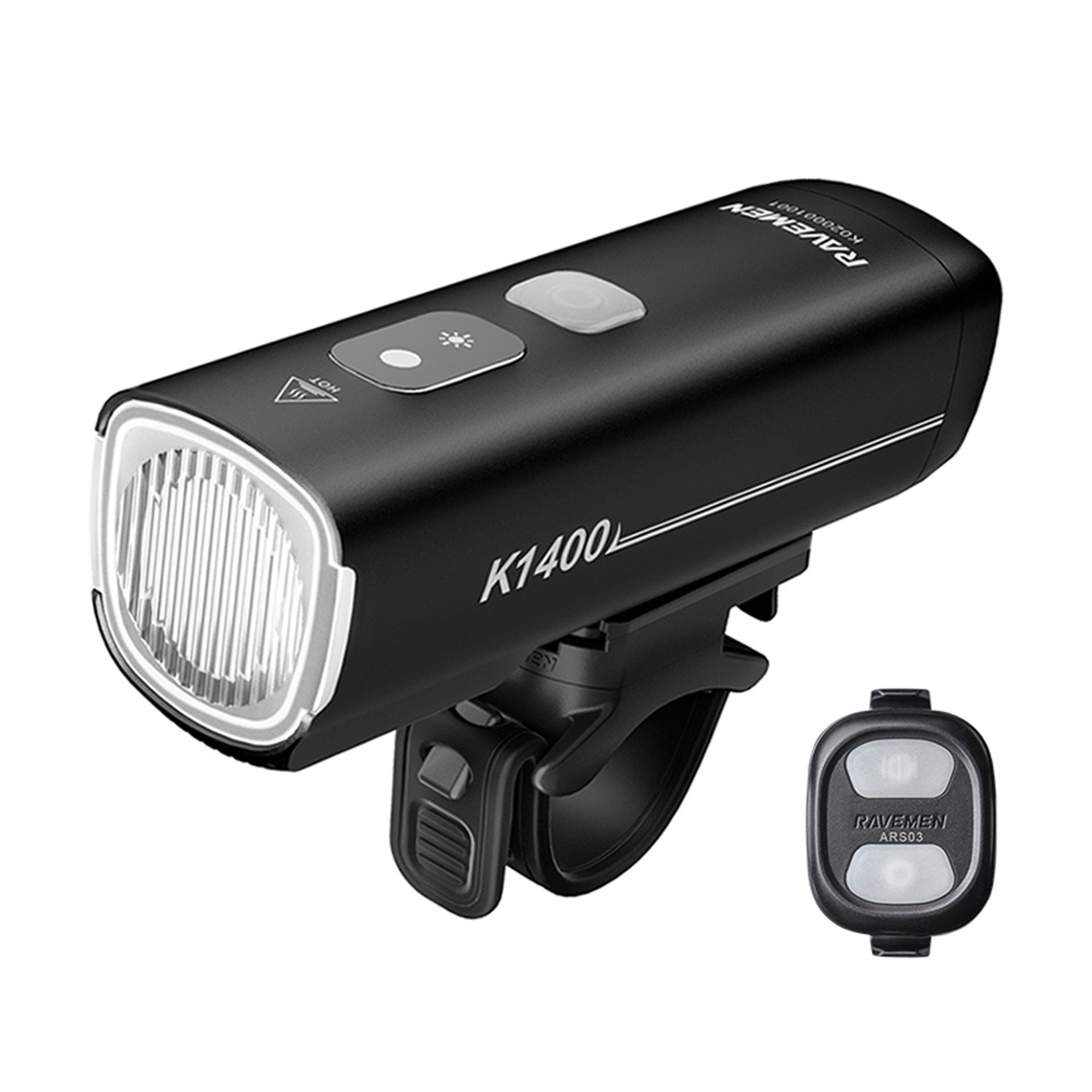
K1400
Dviratininkai, susipažinti su savo puikus važiavimo partneris. Aprėpkite savo protingo režimo patogumą be rankų ir ...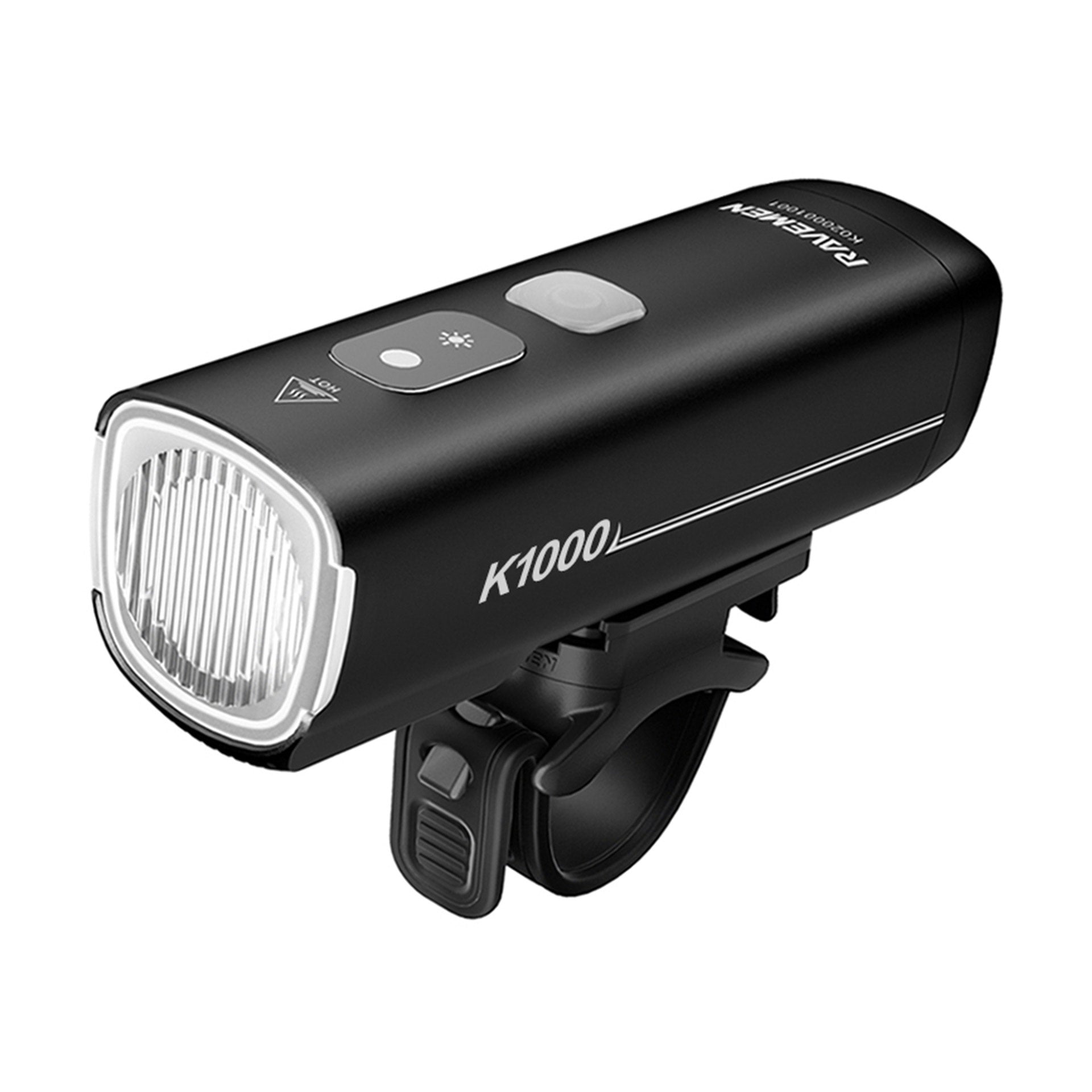
K1000
Dviratininkai, susipažinti su savo puikus važiavimo partneris. Aprėpkite savo protingo režimo patogumą be rankų ir ...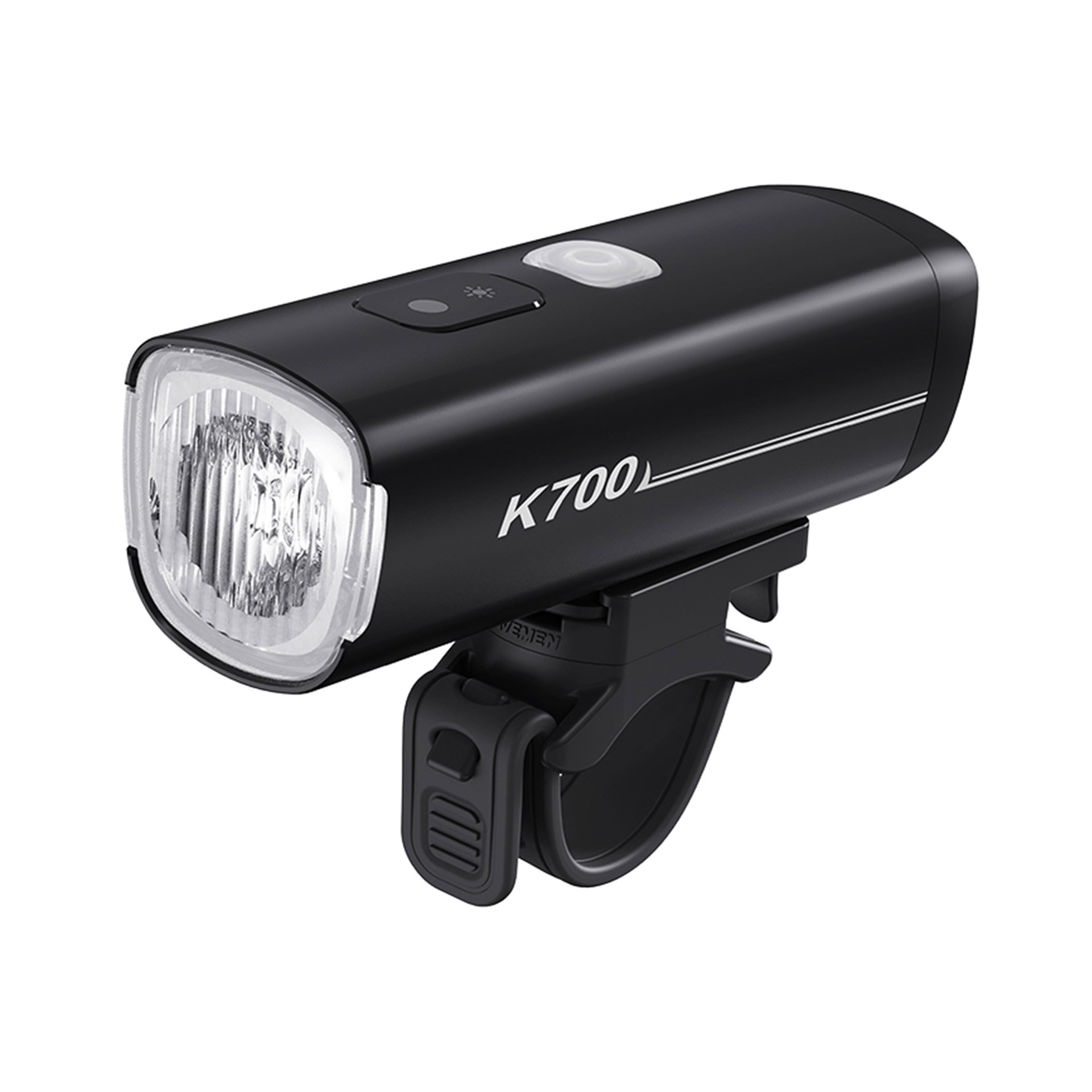
K700
Patirkite laisvę ir saugumą k700, šviesai jautrus priekinis žibintas, kuris transformuoja jūsų važiavimą. Sklandžia...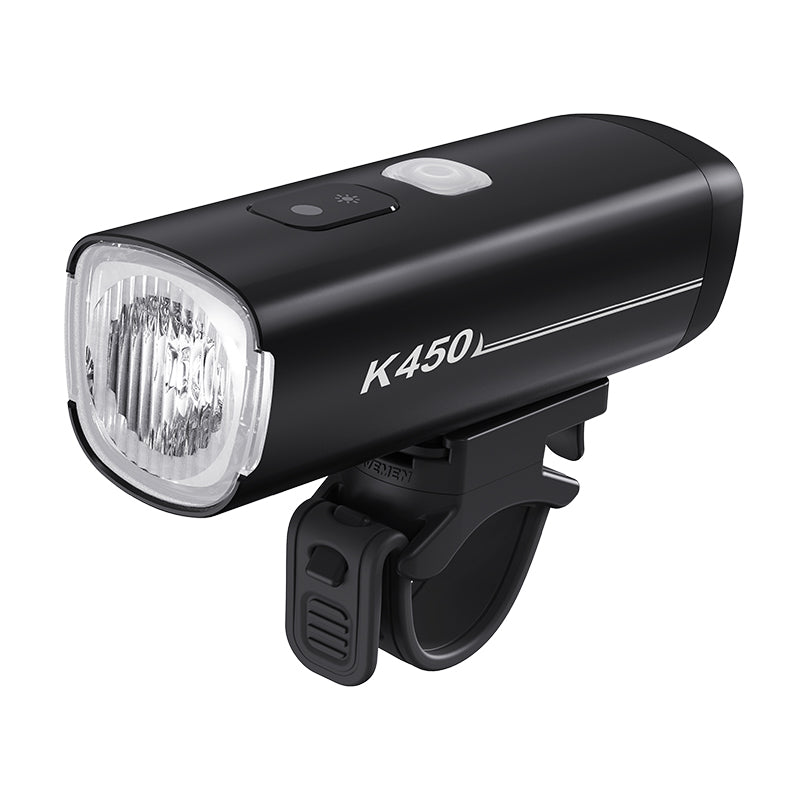
K450
Patirkite laisvę ir saugumą k450, šviesai jautrus priekinis žibintas, kuris transformuoja jūsų važiavimą. Sklandžia...How to Choose the Best Bike Lights for Commuting
The right commuter bike lights depend on your ride. For daytime and short urban trips, choose lightweight lights with high-contrast flash modes. For well-lit streets, look for anti-glare front lights that improve visibility without dazzling others. For longer, darker, or less predictable routes, choose a higher-output model with reliable runtime, clear battery feedback, and smart auto functions. RAVEMEN offers commuter bike lights for different city riding needs, from compact daytime visibility lights to higher-output options for night commuting.
What Makes a Good Commuter Bike Light
A good commuter bike light should balance visibility, comfort, convenience, and everyday reliability. Brightness matters, but beam control is just as important for city riding. Features such as anti-glare optics, cut-off beam design, daytime flash modes, USB-C charging, waterproof construction, and auto on/off sensors can make daily commuting easier and safer. RAVEMEN commuter bike lights include compact options for short urban rides, higher-output front lights for darker roads, and smart models designed for regular daily use.
DUK
Kokio ryškumo turėtų būti dviračio žibintai, kad būtų gerai matomi dieną?
Kokio ryškumo turėtų būti dviračio žibintai, kad būtų gerai matomi dieną?
Dienos metu važinėjant mieste matomumas labiau priklauso nuo kontrasto ir mirksėjimo režimų, o ne nuo grynų liumenų. Lengvas „būkite matomi“ žibintas specialiai sukurtas važinėjimui dieną. Jo akį traukiantis įspėjamasis mirksėjimo režimas žymiai padidina matomumą. Esant ryškesnėms sąlygoms arba intensyvesniam eismui, galingesnis priekinis žibintas su specialiais dienos šviesos mirksėjimo režimais užtikrina, kad būtumėte matomi net ir tiesioginiuose saulės spinduliuose.
Kokie apšvietimo režimai geriausiai tinka važinėjimui mieste?
Kokie apšvietimo režimai geriausiai tinka važinėjimui mieste?
Geriausiai veikia universalus pastovaus ir mirksinčio apšvietimo režimų derinys. Važiuojant naktį, pastovus, apsaugantis nuo akinimo, pavyzdžiui, CR800 T formos spindulys, apšviečia kelią neakindamas kitų. Dienos metu perjunkite į akį traukiantį įspėjamąjį mirksėjimą. Režimo atmintis, standartinė daugelio RAVEMEN kasdienių žibintų savų kelionių metu, prisimena paskutinį nustatymą, todėl nereikės jo iš naujo programuoti kiekvienos kelionės metu.
Ar dviračių žibintai gali pagerinti matomumą per lietų ar rūką?
Ar dviračių žibintai gali pagerinti matomumą per lietų ar rūką?
Taip. Kokybiški žibintai yra būtini esant blogam orui. Ieškokite modelių, kurių atsparumas vandeniui yra IPX6 arba aukštesnis, kad jie atlaikytų stiprų lietų ir kelio purslus. Pažangi spindulių optika, pavyzdžiui, apsauganti nuo akinimo T formos arba ribojantys spinduliai, sumažina atspindžius rūke, padėdami matyti kelią, o ne akinantį vaizdą. Net kompaktiški, lengvi žibintai užtikrina patikimą veikimą bet kokiu oru trumpesnėms kelionėms į darbą ir atgal.
Kiek laiko tarnauja dviračių žibintų baterijos?
Kiek laiko tarnauja dviračių žibintų baterijos?
Baterijos veikimo laikas priklauso nuo režimo ir modelio. FR1100 su integruotu baterijos indikatoriumi gali veikti iki 46 valandų esant žemesniems nustatymams. CR800 siūlo iki 22 valandų veikimo laiką ir palaiko veikimo laiko pratęsimą naudojant išorinį maitinimo šaltinį. Kiekvienas modelis veikimo laiką balansuoja skirtingai. Rinkitės pagal savo įprastą važiavimo trukmę.
Ar važinėjant mieste reikia ir priekinių, ir galinių žibintų?
Ar važinėjant mieste reikia ir priekinių, ir galinių žibintų?
Taip. Siekiant visiško saugumo, bent jau turėtumėte naudoti ir priekinį, ir galinį žibintus. Priekiniai žibintai būna įvairių dizainų. Vieni turi išorinio akumuliatoriaus funkciją, kiti – T formos arba ribojančius spindulius geresniam matomumui, o kompaktiški ir lengvi variantai tinka minimalistams. Bet kurį priekinį žibintą derinkite su suderinamu galiniu žibintu, kad būtumėte matomi iš galo bet kokiomis eismo sąlygomis.
Ar USB-C įkraunami dviračių žibintai yra geresni kasdienėms kelionėms į darbą ir atgal?
Ar USB-C įkraunami dviračių žibintai yra geresni kasdienėms kelionėms į darbą ir atgal?
Be abejo. USB-C dabar yra universalus standartas, naudojamas daugumoje telefonų, nešiojamųjų kompiuterių ir išorinių akumuliatorių. Šiuolaikiniai žibintai turi USB-C prievadus, kad būtų galima greičiau įkrauti ir paprasčiau tvarkyti laidus. Kasdieniams keliautojams USB-C yra daug praktiškesnis nei senesnės „Micro-USB“ sistemos.